Archive for October, 2026

October 29, 2026

Behind the Scenes of the Year of the Dealer 17 – M. Harris & Sons at The V&A Museum South Kensington

Another in our continuing series of ‘Behind the Scenes of the Year of the Dealer’ – this time back to the V&A South Kensington and the film that focuses on the antique dealer M. Harris & Sons – you can see the final version of the film HERE.

As usual, we had a lot more to say about the well-known antique dealer Moss Harris than we could fit into the films. For example, we had dozens and dozens of images of the antique shops of M. Harris & Sons but, as we’ve stated several times in the ‘Behind the Scenes of the Year of the Dealer’ blog posts, we just did not have the space to add more images into the films (without making the images just a blur!). But we thought you might still like to see just a few of the images we didn’t use; so here are some more M. Harris & Sons images from our dealer archives. Below are some fascinating photographs of a display of antique chairs at the Moss Harris’ shop in St. James’s Street, London in 1938. This display, showing chairs dating from the early 17th century to the early 19th century, was part of a special exhibition staged by M. Harris & Sons celebrating the success of the publication of their book, The English Chair (1937).
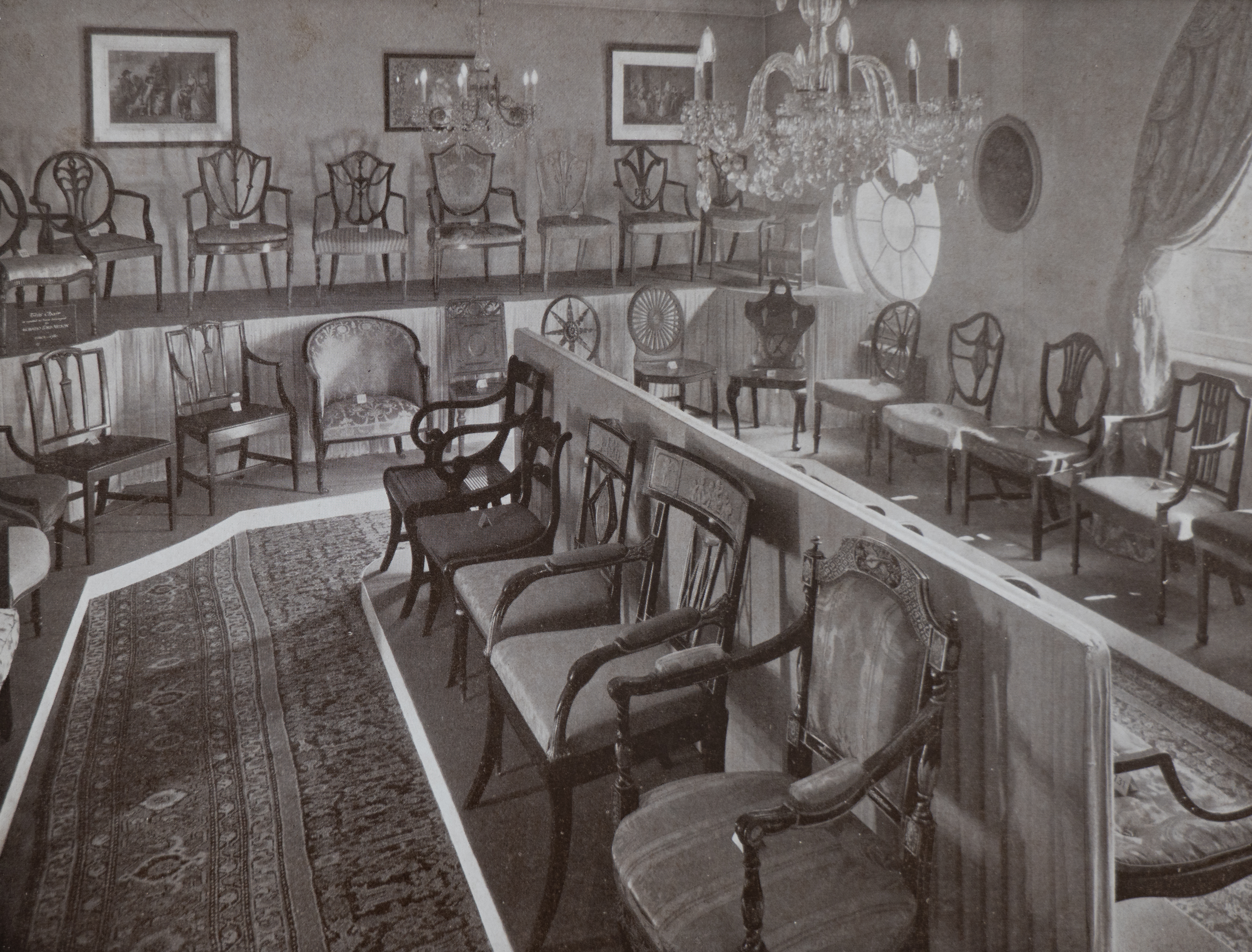
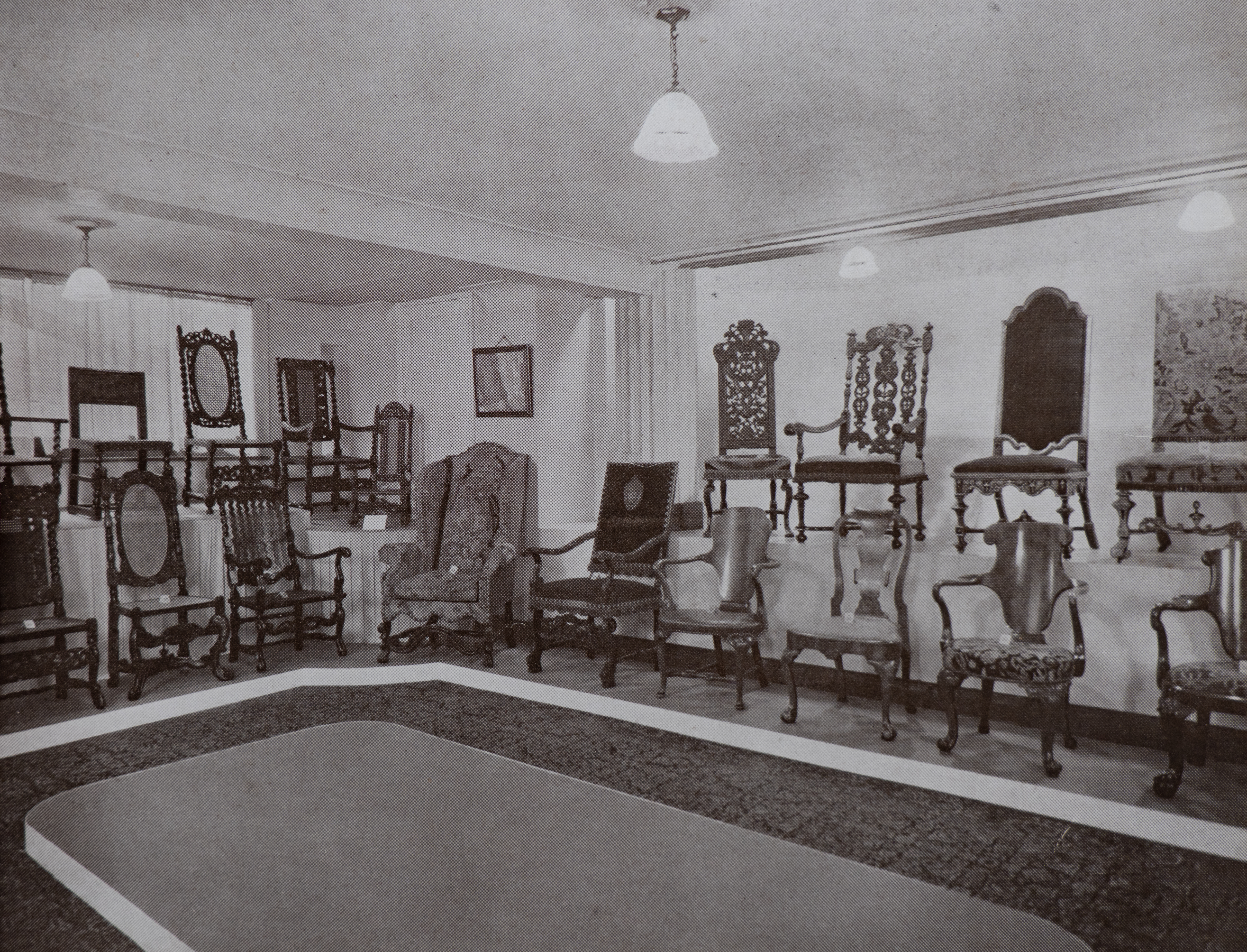
Exhibition of antique chairs at M. Harris & Sons, St. James’s Street, London 1938. Photograph, Antique Dealer Research project, University of Leeds.

The display at M. Harris & Sons in 1938 has striking similarities with the more recent display of chairs in the redesign of the furniture galleries at the V&A Museum in London – the Dr. Susan Weber Gallery, designed by Nord Architects and curated by Nick Humphrey and Leela Meinertas, which was opened in 2011 (see below). I guess these similarities are just a further reminder of how symbiotic the relationship is between the museum and the market. (c.f. The SOLD! exhibition at The Bowes Museum in 2019)
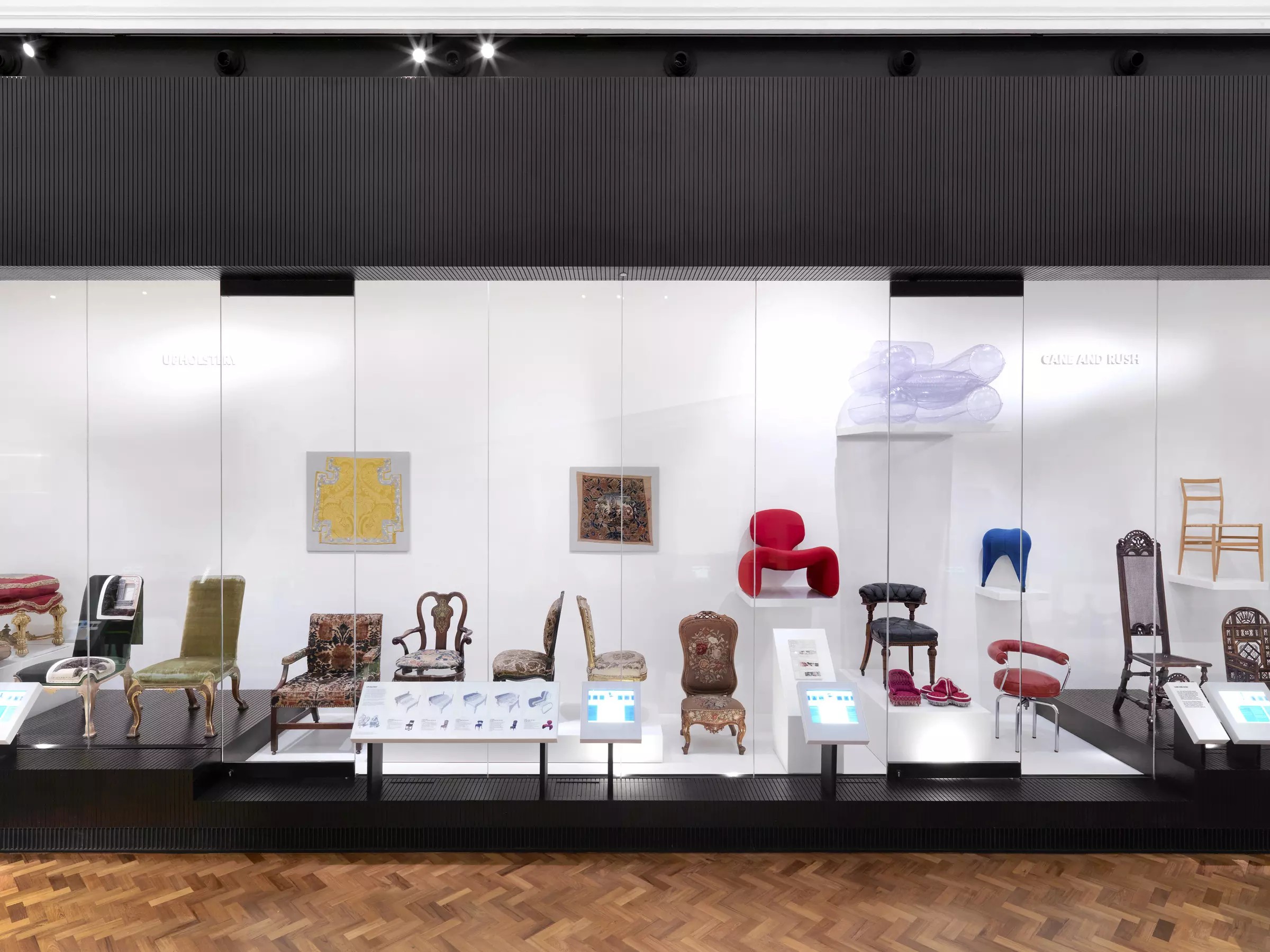
Dr Susan Weber Gallery, Furniture Collections at the V&A Museum, London. Designed by Nord Architects, London and curated by Nick Humphrey and Leela Meinertas; opened 2011. Photograph, Charles Hosea Photography.

Interesting though these observations might be, what readers of the Blog seem to be interested in, and what makes really makes these ‘Behind the Scenes’ blog posts work, is for us to tell you a little more about how the YoD films were made and give you some insight into the processes and decisions we made during the making of the films. And so, we thought you would be interested to hear a little more about the music we used in the Year of the Dealer films, and how and why we chose it.

If you click on any of the YoD films, you will hear a short sequence of music at the start and which also appears at the closing sequence in the films as well – this is a Classical piece which we licensed for use in the films – Patrick sorted this out for us and suggested the music, which we all liked (thanks again Patrick!).

The music in the YoD films is great of course, but it was not first choice, or at least it was not exactly what we wanted in terms of general ‘tone’ for the YoD films. What we really wanted for the music was something much more edgy – something that was symptomatic of the provocation that is at the heart of the YoD project – the complex question about the relationship between ‘art’ and ‘money’. The idea we had was that we wanted a piece of music that had the kind of ‘edginess’ that would further amplify this idea. The purpose of the edginess of the music was that it would implicitly draw attention to the relationship between the symbolic value of antiques and the economic value of antiques. We were doing this anyway in the YoD films by highlighting the prices that the antiques were sold at when they ended up at the various museums (I’m sure you have noticed this!).

Anyway, we tried to get some edgy music and top of the list, for edginess and quirkiness, was the version of the song ‘Money (that’s what I want)’ by the Flying Lizards (1979) – if you don’t know the song you can watch the YouTube video and hear ‘Money’ (that’s what I want)’ HERE
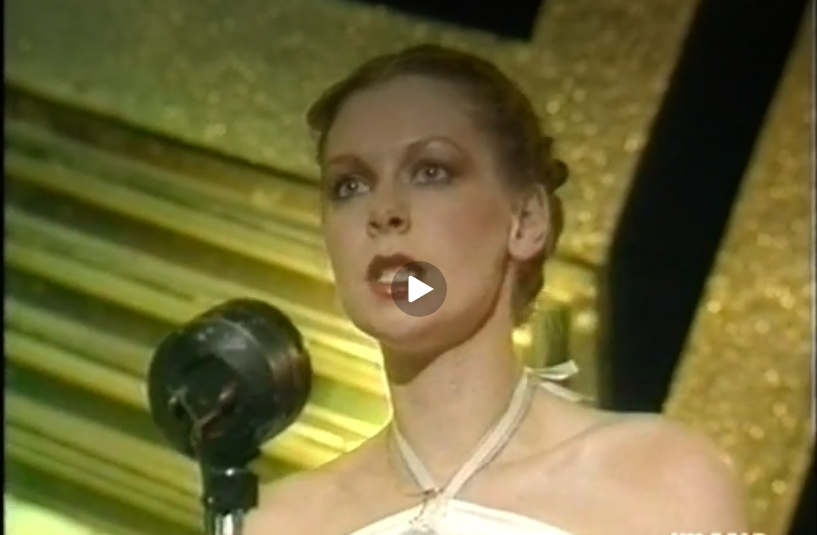
Still from performance of ‘Money (that’s what I want)’ by The Flying Lizards (1979), Top of the Pops, with Deborah Evans-Strickland on lead vocals.

‘Money (that’s what I want)’ was originally recorded by the American singer Barrett Strong (1941-2023) in 1959, but the Flying Lizards version of 1979 had just the right edginess of tone, exactly what we thought we wanted for the YoD films. We did quite a bit of investigative work in trying to work out how we would get a license for the music – we were excited to discover that David Toop, a leading academic well-known for his expertise and interest in avant-garde music, was a member of The Flying Lizards back in the 1970s. David was a visiting Professor at Leeds College of Music (so potentially quite close by) and at one stage we thought about contacting David and asking if we might be able to use a little bit of the music from the Flying Lizards version of ‘Money (that’s what I want)’ for the YoD films.

Ultimately though, we decided that it would cost too much of our limited budget, so we went for some more pragmatic (in terms of cost) and less contentious (in terms of our potential audience for the YoD films) piece of music – but I wonder what you think… ….would the YoD films be more effective with ‘I want Money….that’s what I want….’ streaming in the background in the opening and closing sequences of the YoD films?

Do look out for the next in the series of ‘Behind the Scenes of the Year of the Dealer’.

Mark
October 25, 2026

Behind the Scenes of the Year of the Dealer 16 – R.A. Lee at Temple Newsam

Our next in the series ‘Behind the Scenes of the Year of the Dealer’ returns to Temple Newsam and the film that focuses on the antique dealer R.A. Lee – you can see the final version of the film HERE.

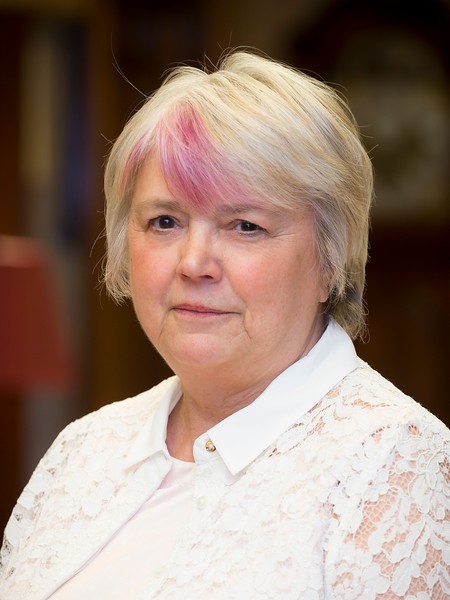
For this ‘Behind the Scenes’ we can recount a fascinating story about Ronald A. Lee, as told to us by his daughter Georgina Gough. You can also hear Georgina in the YoD films telling us about her father and the R.A. Lee business, both in the Temple Newsam film of course, and in the other YoD film devoted to R.A. Lee at the V&A South Kensington. We also did an oral history interview with Georgina as part of the Voices of the Trade strand of the research project – you can read more about that HERE.

Georgina Gough. Photograph courtesy of Georgina Gough, 2015.

Georgina’s story is related to another object that Ronald Lee sold to a museum, this time a ’13th century Ciborium’ sold to The National Museum of Scotland in Edinburgh by R.A. Lee in 1966. As some of our readers will know, originally there were to be 7 YoD trails, before Covid 19 intervened, and The National Museum of Scotland was initially part of the larger group of museums we had planned for the YoD trails. In fact, as well as the five existing YoD partner museums (Temple Newsam, Lady Lever Art Gallery, The Bowes Museum, V&A Museum and Preston Park Museum), we had also included The Ashmolean Museum as part of the YoD, but for various reasons, all arising from the Covid pandemic, we could no longer include The Ashmolean Museum and National Museum of Scotland. The YoD was an awful lot of work, so maybe creating films of another 20 objects in another 2 museums would have been a bit of a stretch; but Ronald Lee’s Ciborium would certainly have been part of the YoD films at National Museum of Scotland had they gone ahead.

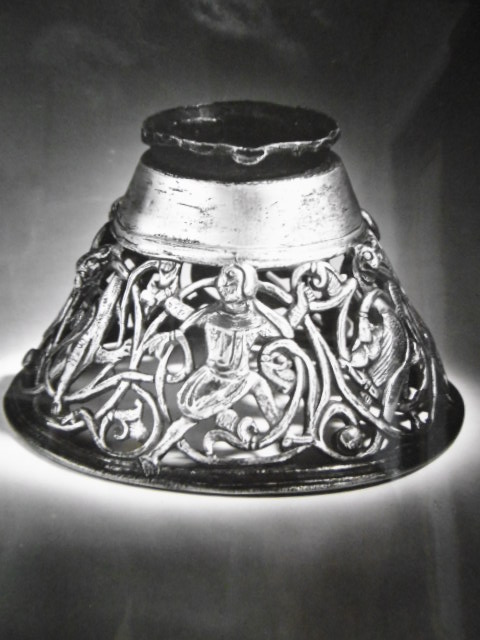
Anyway, Georgina’s story about her father does help us highlight yet another example of the relationship between antique dealers and public museums and recounts a lovely story about her father, Ronald Lee and his wife Betty. As Georgina recalls, Ronald bought his wife Betty a present, a small pierced 13th century copper-gilt circular foot, seemingly from the base of a cup or a bowl – Ronald gave Betty this small part-object sometime in the 1950s (see below). Ronald paid £30 for the 13th Century circular foot, and Georgina recalls that Betty placed the small object on the mantlepiece at home – which at that date would have been Ormeley Lodge on Ham Common to the south west of London.

13th century Cooper-gilt circular foot that Ronald Lee gave to his wife Betty. Photograph, Antique Dealer Research Project, University of Leeds.

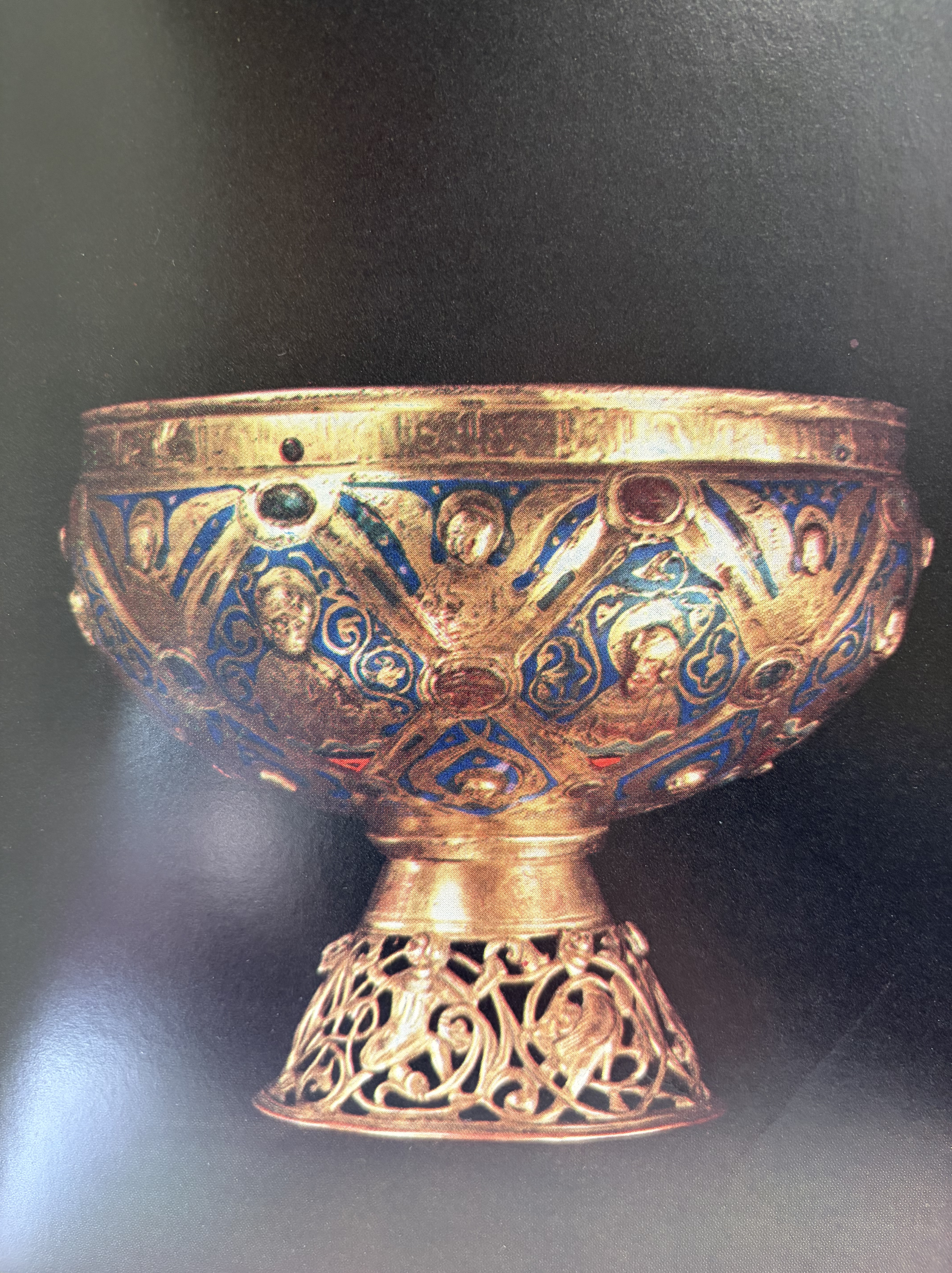
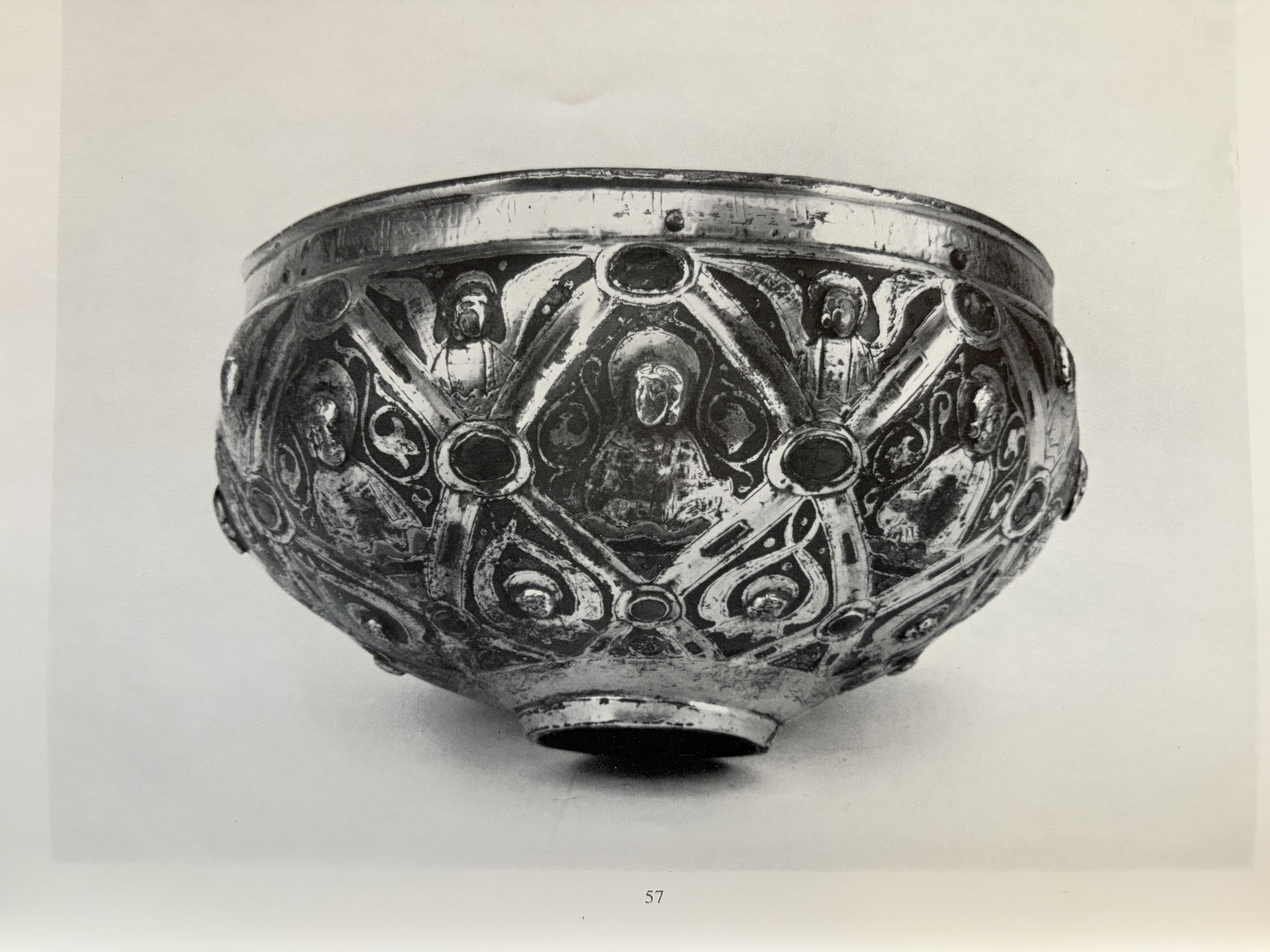
In late April 1965, Ronald went, as usual, to a view an auction sale at Sotheby’s in New Bond Street – ‘Highly Important Medieval Works of Art, Limoges Painted Enamels and a St. Porchaire Salt’ (Sale Tuesday 27th April 1965). Amongst the things he saw was Lot 57, ‘AN INTERESTING LIMOGES BOWL FROM A CIBORIUM, of copper-gilt with champleve enamel…..(foot missing)…French, early 13th Century’, The Property of Mrs. M. Craig-de Cleves’. (see below).

13th Century Ciborium Bowl. Sotheby’s auction sale April 27th 1965, Lot 57. Photograph Sotheby’s.
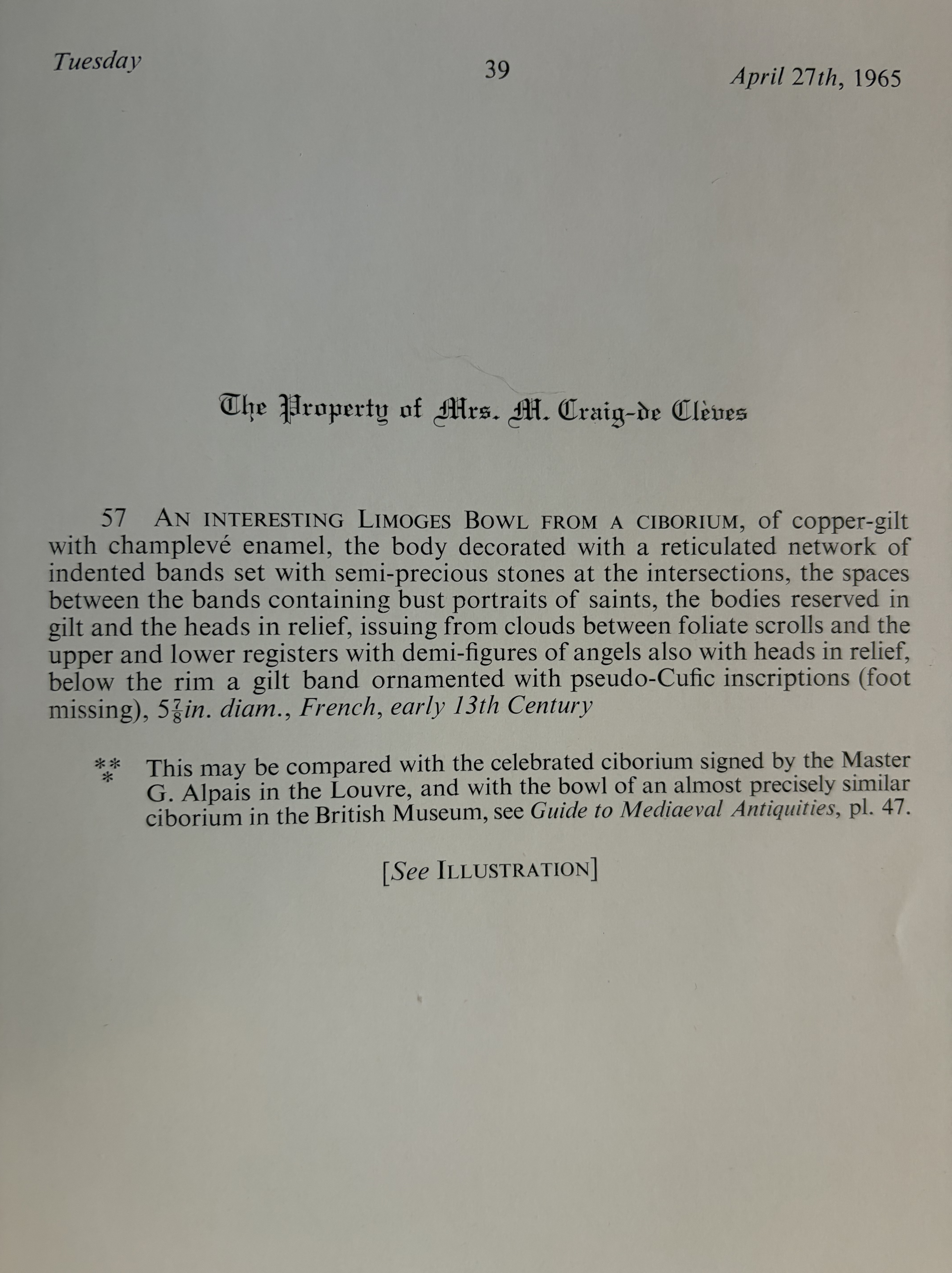
Auction catalogue entry for the 13th Century Ciborium Bowl, Sotheby’s Lot 57, auction sale 27th April 1965.

Like many antique dealers, Ronald seems to have had a form of photographic memory and he recalled the small copper-gilt foot on the mantlepiece at home. Georgina remembers the story, which was also reported in the Press at the time – her father rushed home, popped the circular foot in his pocket and returned to Sotheby’s where he surreptitiously offered the foot to the bowl – and like Cinderella’s slipper if fitted perfectly!

Ronald bought the bowl, paying £2,600 for it at the auction. The newspaper report quoted Ronald – ‘he supposed it would still have to belong to his wife, but if any museum was really anxious to have it, they might be willing to let it go’. Georgina does not recall how such a conversation went, but Ronald offered the bowl, now with its foot, in a selling Exhibition of Works of Art and Antiques held at his home/shop at Byfleet Manor in Surrey in June 1965, where it was fully described, and was one of only 3 full colour images in the catalogue (see below).

13th Century Limoges Ciborium illustrated in the R.A. Lee Exhibition of Works of Art and Antiques, June 1965. Photograph, Antique Dealer Research Project, University of Leeds.

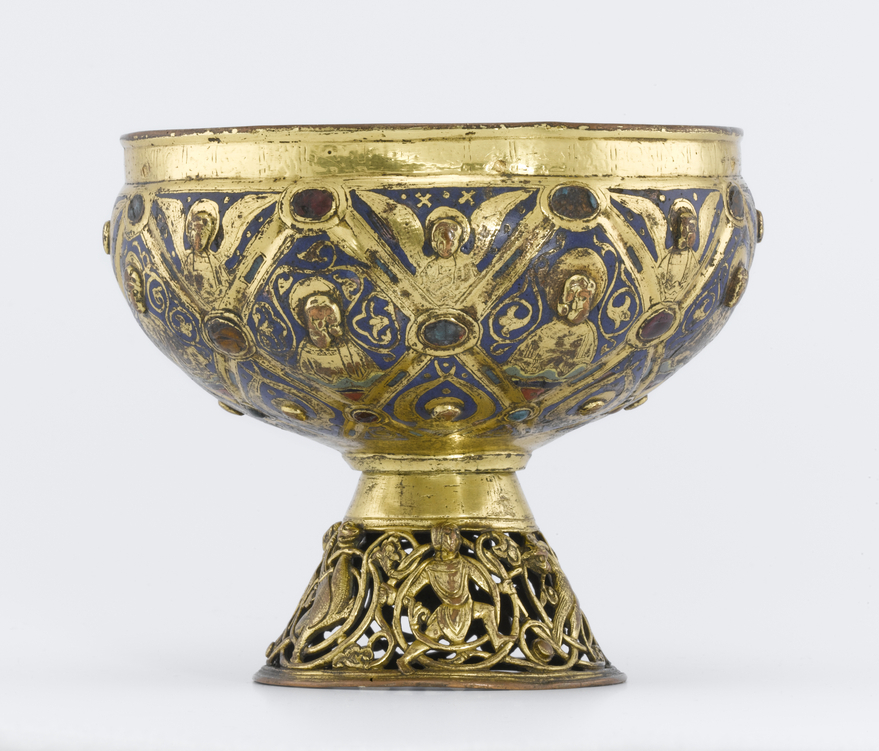
Of course R. A. Lee did sell the Ciborium Bowl with its foot – it was sold in August 1966 to the National Museum of Scotland for £8,500. It remains in their collection – see HERE.

Ciborium, French, probably 19th century. National Museums Scotland. Acquired with contributions from Friends of the Royal Scottish Museum, The Railton Bequest and HM Treasury, 1966. Photograph, copyright NMS.

Perhaps the sad part of the story is not that Ronald sold his wife’s present (Betty must have agreed), but that the Ciborium has subsequently been reassessed and is now thought to be a 19th century copy. Notwithstanding this, Ronald Lee’s reuniting the foot to the bowl is such a brilliant story and one we would have told had we managed to include National Museum of Scotland in the YoD digital trails!

[I am reminded that we’ve highlighted the story about R A Lee and the ciborium before…in the blog in July 2017 but it’s such a lovely story!….and was nearly 10 years ago!….but do read the earlier version too!]

Do look out for the next in the series of ‘Behind the Scenes of the Year of the Dealer’.

Mark
October 12, 2026

Behind the Scenes of the Year of the Dealer 15 – W. F. Greenwood & Sons at The Bowes Museum

Our next in the series ‘Behind the Scenes of the Year of the Dealer’ returns to The Bowes Museum and the film that focuses on the antique dealers W. F. Greenwood & Sons – you can see the final version of the film HERE. This post follows more rapidly on the previous blog post (9th October 2026) as we slowly catch up with the weekly rhythm of the ‘Behind the Scenes of the Year of the Dealer’ blog posts.

Part of the panelling (c.1750) from Gilling Castle, sold by W. F. Greenwood & Sons to The Bowes Museum in 1962. Photograph, Year of the Dealer Research Project, University of Leeds and The Bowes Museum.

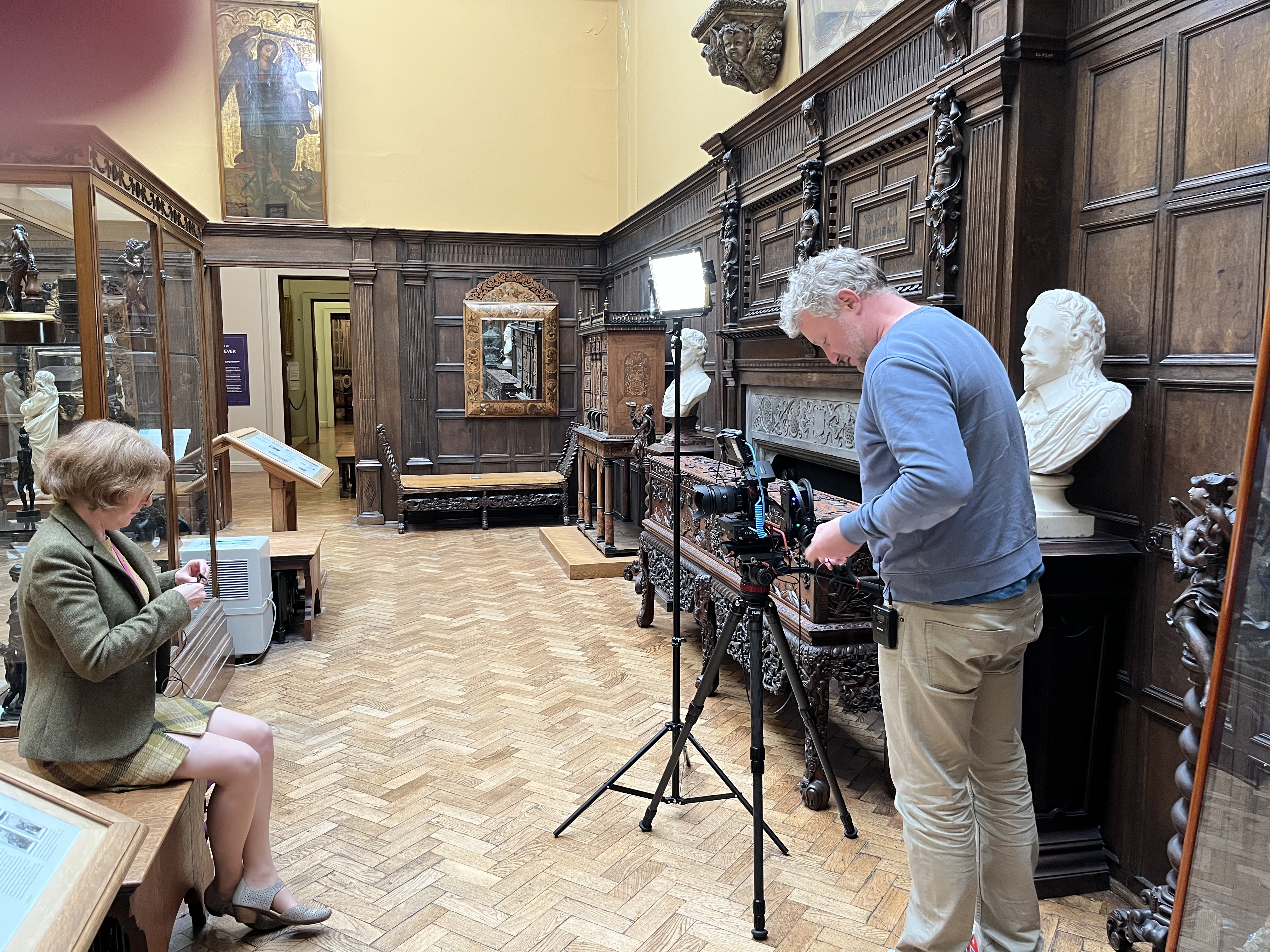
We have posted some blog posts on W. F. Greenwood & Sons in the research blog already – see Blog 4th July 2014 and 25th May 2019 and would not wish to repeat information already highlighted in the previous blog posts and in the Year of the Dealer film. So, we thought our readers might like to know a little more about how the Year of the Dealer films were assembled (it also illustrates how complicated the films were to make!). And it gives us a chance to celebrate the brilliant work of Patrick Bannon, our photographer and film-maker extraordinaire! Here (below) is Patrick on site filming for the Lady Lever Art Gallery Year of the Dealer films.

Patrick Bannon (right) with Fiona Slattery Clark (curator, Decorative Arts at National Museums Liverpool) filming at Lady Lever Art Gallery. Photograph, Year of the Dealer Research Project, University of Leeds.

For each film, we started with a research script, usually of about 5 or 6 minutes worth of audio recording in length, for cutting back to 2 or 3 minutes (mostly), and a set of images. I would first work out a sequence of images in dialogue with the script and then we (Mo and I…the avatars) would record the 5 or 6 minutes of audio. The audio recording for the avatars was always done at our home in the recording studio (ha..I wish!…it was in our spare single bedroom…..see also the Behind the Scenes of the Year of the Dealer No.5 for another brief mention of our ‘recording studio’). We used two high quality audio recorders that had been acquired in 2014 for an earlier part of the Antique Dealer Research Project – for the Antique Dealer Oral History interviews project (one can see how interwoven the various parts of the Antique Dealer Research Project are!). The audio recordings formed the basis of our raw material for Patrick to do his magic in piecing together the audio, the photograph still images, his digital film sequences, and the digital film on site video recordings at the various museum locations. So there was quite a complicated set of resources and practices brought together for the final YoD films.

For the W. F. Greenwood & Sons YoD Film we had two sets of audio recordings – Mo and I (the avatars) and a sequence Patrick cut in from the oral history interview we did with retired antique dealer Tony Lumb back in 2014 – (Tony sadly passed away in December 2025). We also had the extra video/audio recording of Stephen Erskine (Visitor Assistant at The Bowes Museum – Stephen has since retired) introducing the panelling at the museum, which also needed a script for Stephen to work with.

All this required careful identification of the appropriate sequences in the two audio recordings, cut and pasting the audio into the Year of the Dealer film, adding in the video and audio filming sequences at The Bowes Museum, precisely cutting in the sequences of images, and then balancing and levelling the audio sequences to smooth out any background noise and sound levels, aligning images to relevant audio, adding the captions to the images and adjusting the light levels for some of the images, to create the seamless digital film – and all done as if by magic by Patrick!

And of course, whilst we had scripts and images and museum objects to work with, it was also very much a process of trial and error in the construction of the actual films themselves – as Patrick himself said in a recent interview we did with him for our assessment of the research impact of the project, ‘….it was great working in that way because it’s been quite original and innovative’.

Do look out for the next in the series of ‘Behind the Scenes of the Year of the Dealer’.

Mark
October 9, 2026

Behind the Scenes of the Year of the Dealer 14 – Fenton & Sons at Preston Park Museum

Our next in the series ‘Behind the Scenes of the Year of the Dealer’ returns to Preston Park Museum and the film that focuses on the antique dealers Fenton & Sons of London – you can see the final version of the film HERE.

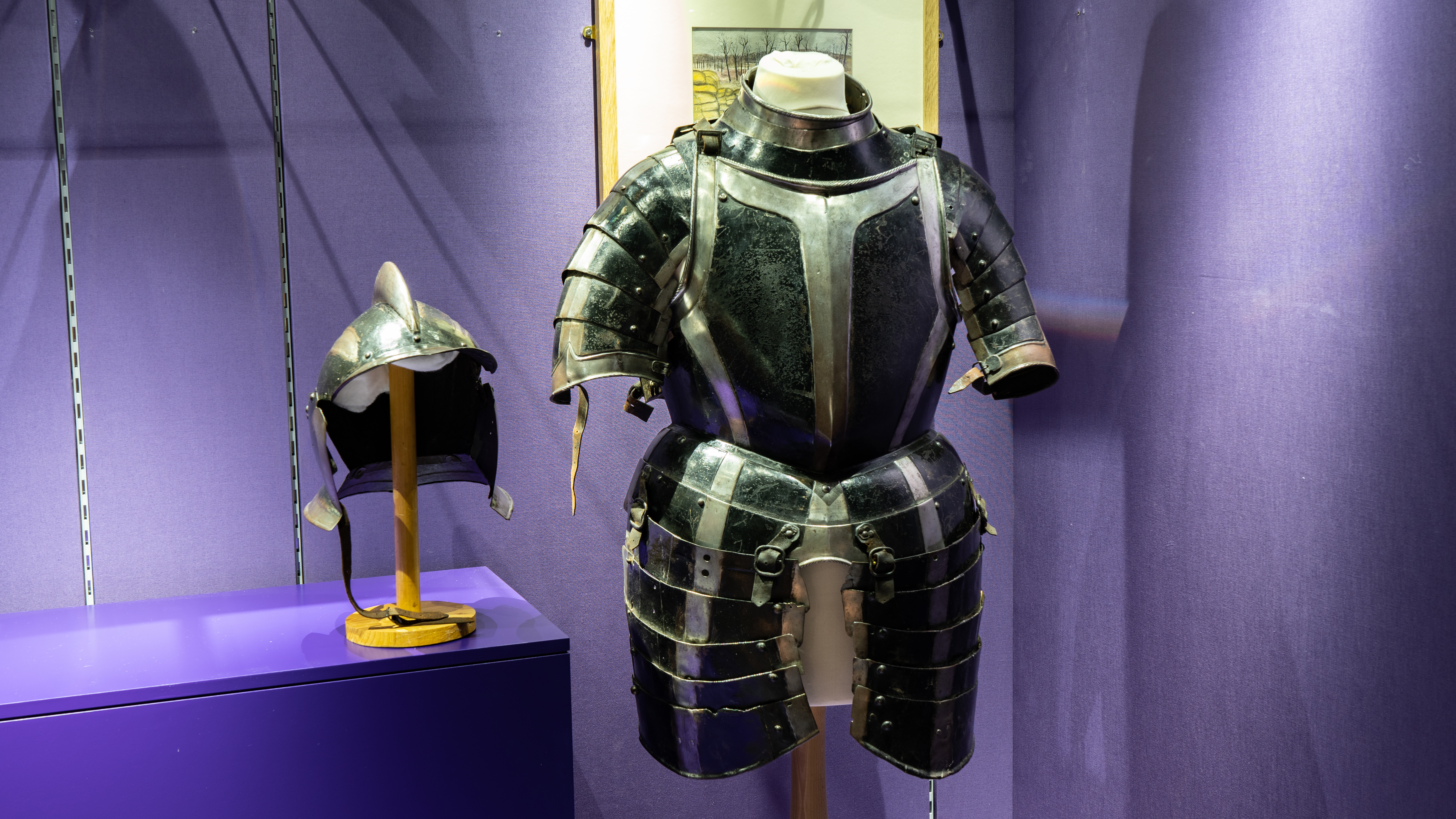
Perhaps one of the most interesting behind the scenes information about the Fenton & Sons Year of the Dealer film is that the suit of armour featured in the Preston Park Museum YoD film is the same suit we borrowed from Preston Park Museum for the SOLD! exhibition we staged at The Bowes Museum in 2019.

17th Century demi-suit (half suit) of armour. Photograph Year of the Dealer project University of Leeds and Preston Park Museum.

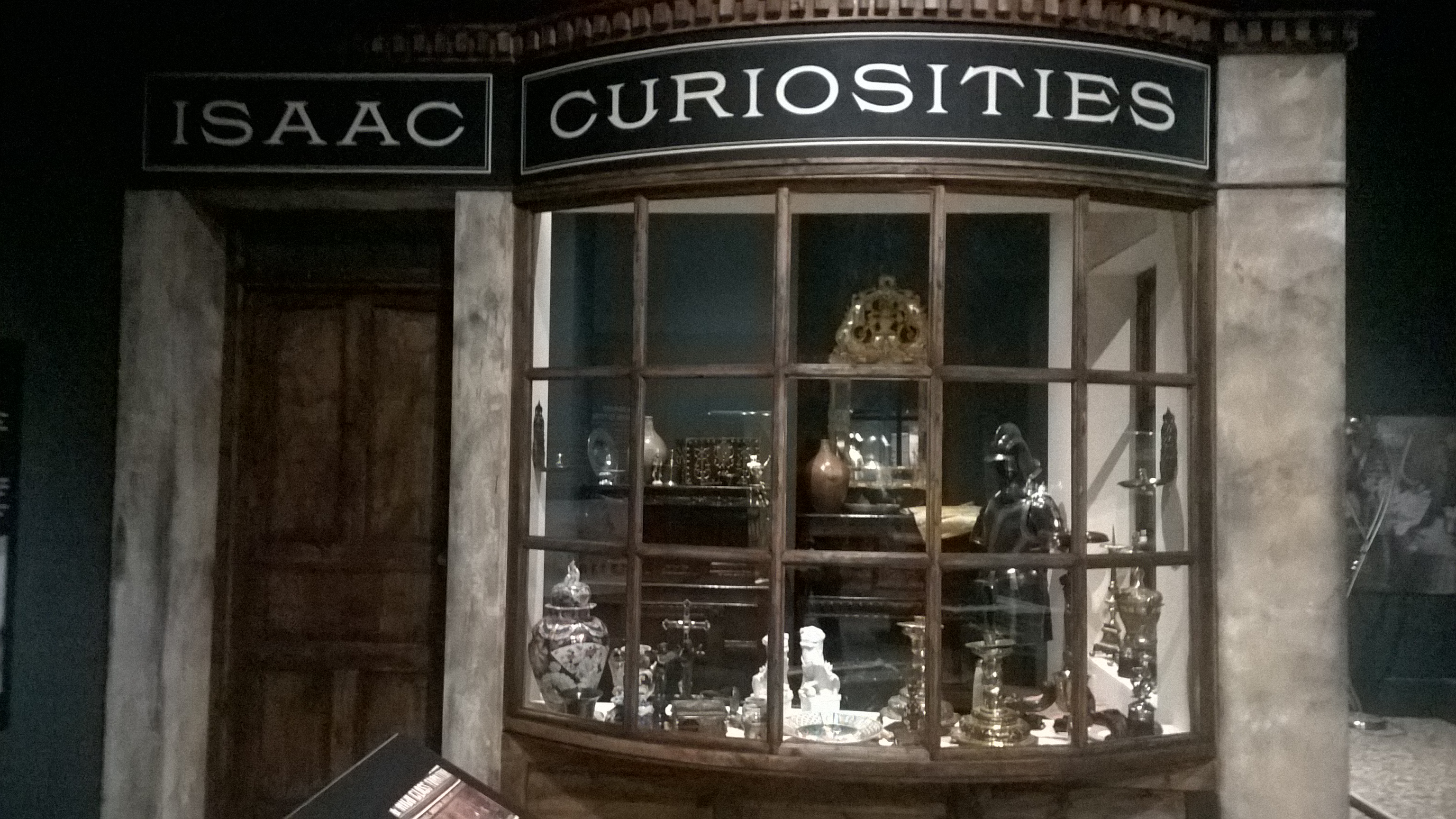
You can still read the SOLD! exhibition catalogue HERE its free as a PDF. In the SOLD! exhibition, the Fenton & Sons half suit of armour was part of the display of ‘curiosities’ we arranged within the recreated ‘Old Curiosity Shop’, which was like a mini exhibition within the main SOLD! exhibition – another snippet of intel was that we originally planned to have two recreated antique shops in the SOLD! exhibition, one from the mid 19th century (the shop we recreated, which is in the photograph below) and one from the mid 20th century – unfortunately budgets intervened! You can read a little more about the recreated Old Curiosity Shop in the SOLD! exhibition catalogue, in the short essay by Simon Spier (who is now curator of Ceramics and Glass at the V&A Museum at South Kensington in London!).

It is quite hard to spot the half suit of armour as it was mixed up with a whole shop full of curiosities – but you can see it, together with its helmet, just to the right, near the window of the recreated shop (below).

‘The Old Curiosity Shop’ at the SOLD! Exhibition at The Bowes Museum (2019). Photograph courtesy of The Bowes Museum.

Our recreated shop in the SOLD! exhibition was deliberately modelled on Charles Dickens famous ‘Old Curiosity Shop’ (1841) – . Charles Dickens described the shop in novel as – ‘one of those receptacles for old and curious things which seem to crouch in every corner of this town….There were suits of mail standing like ghosts in armour, here and there; fantastic carvings brought from monkish cloisters; rusty weapons of various kinds; distorted figures in china, and wood, and iron, and ivory; tapestry, and strange furniture that might have been designed in dreams.’ (Dickens, Old Curiosity Shop, (1841), p.3).

Our colleagues at Preston Park Museum were exceptionally generous with their loans of arms and armour for the SOLD! exhibition (such objects were an essential part of the Old Curiosity Shop display), and their generosity continued with their participation in the Year of the Dealer digital film project too of course!

Do look out for the next in the series of ‘Behind the Scenes of the Year of the Dealer’…there will be another blog post very soon!

Mark

Home Subjects

a working group dedicated to the display of art in the private interior, c. 1715-1914

The Period Room: Museum, Material, Experience

An International Conference hosted by The Bowes Museum and The University of Leeds

H. Blairman & Sons Ltd

A research project investigating the history of the antiques trade in Britain in the 19th & 20th centuries

Museum Studies Now?

'Museum Studies Now?' is an event which aims to discuss and debate museum and heritage studies education provision.

The Burlington Magazine Index Blog

art writing * art works * art market

East India Company at Home, 1757-1857

A research project investigating the history of the antiques trade in Britain in the 19th & 20th centuries