Posts tagged ‘Avatars’

July 20, 2026

Behind the Scenes of the Year of the Dealer 5 – John Bell of Aberdeen at The Bowes Museum

Here’s some more behind the scenes ‘gossip’ on the making of the Year of the Dealer films – this time the John Bell of Aberdeen film at The Bowes Museum – you can watch the final version of the film HERE. You can also read a little more about John Bell of Aberdeen in an earlier post on the research blog – ‘Antique Shops Then & Now‘.

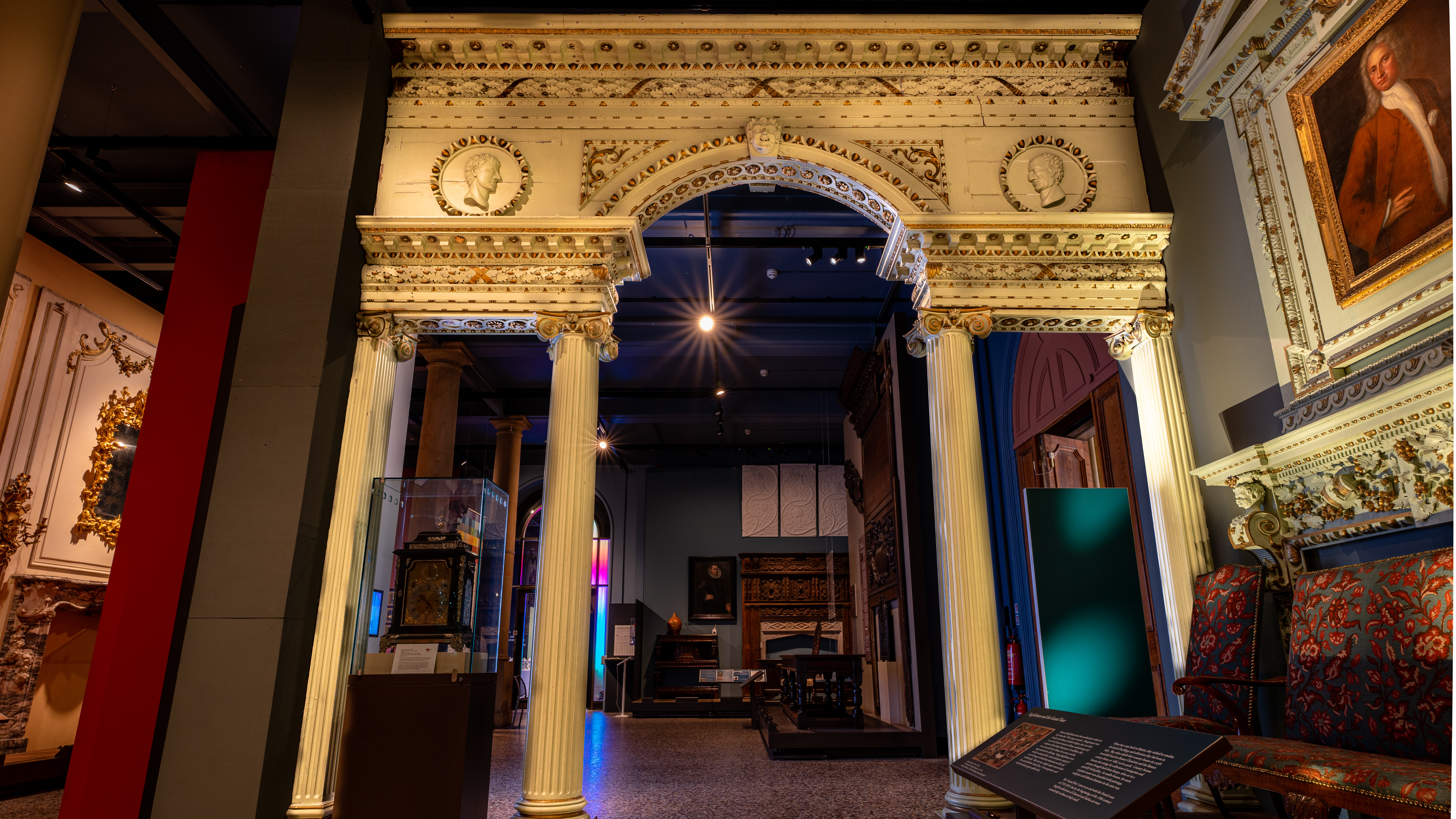
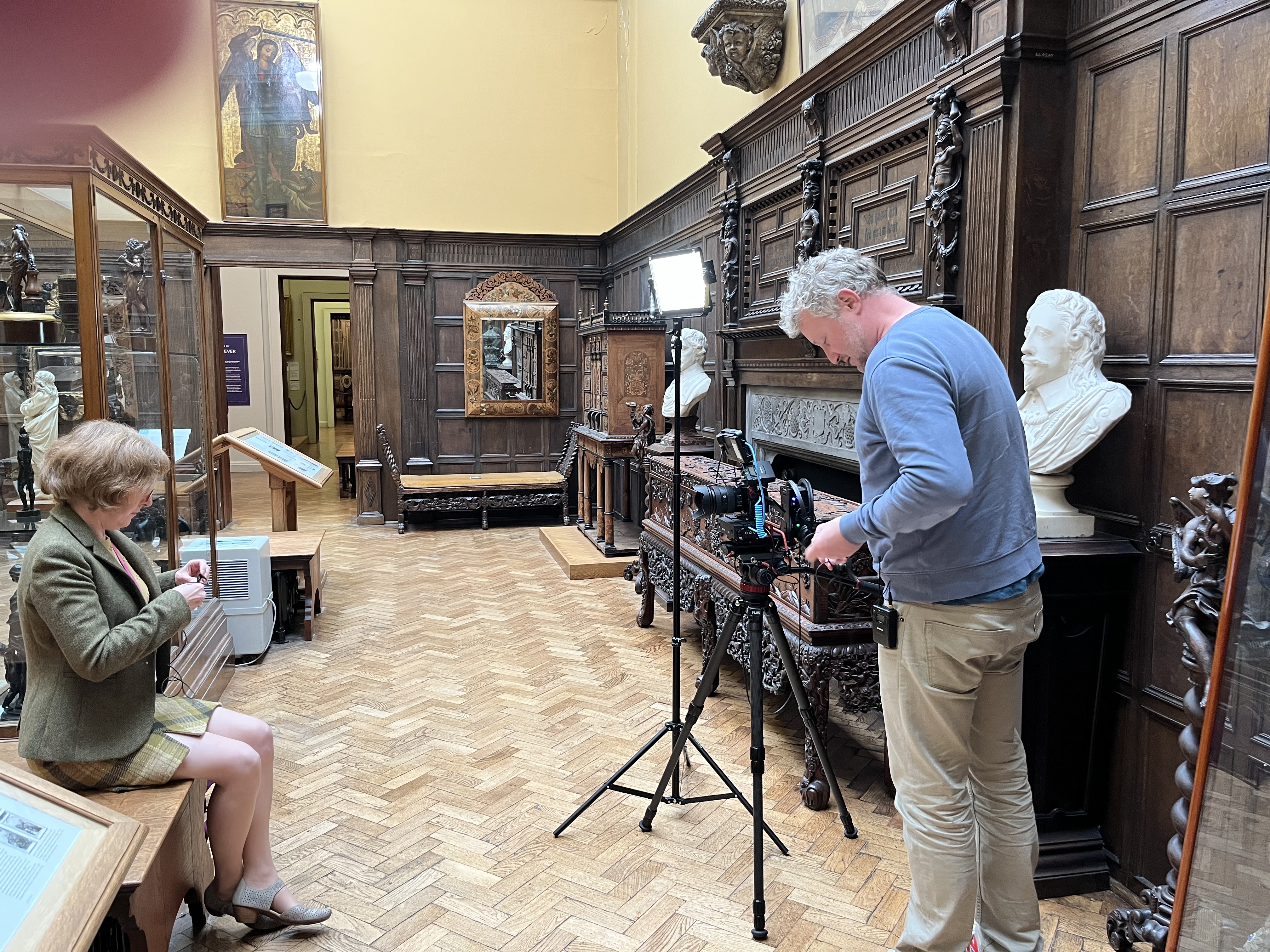
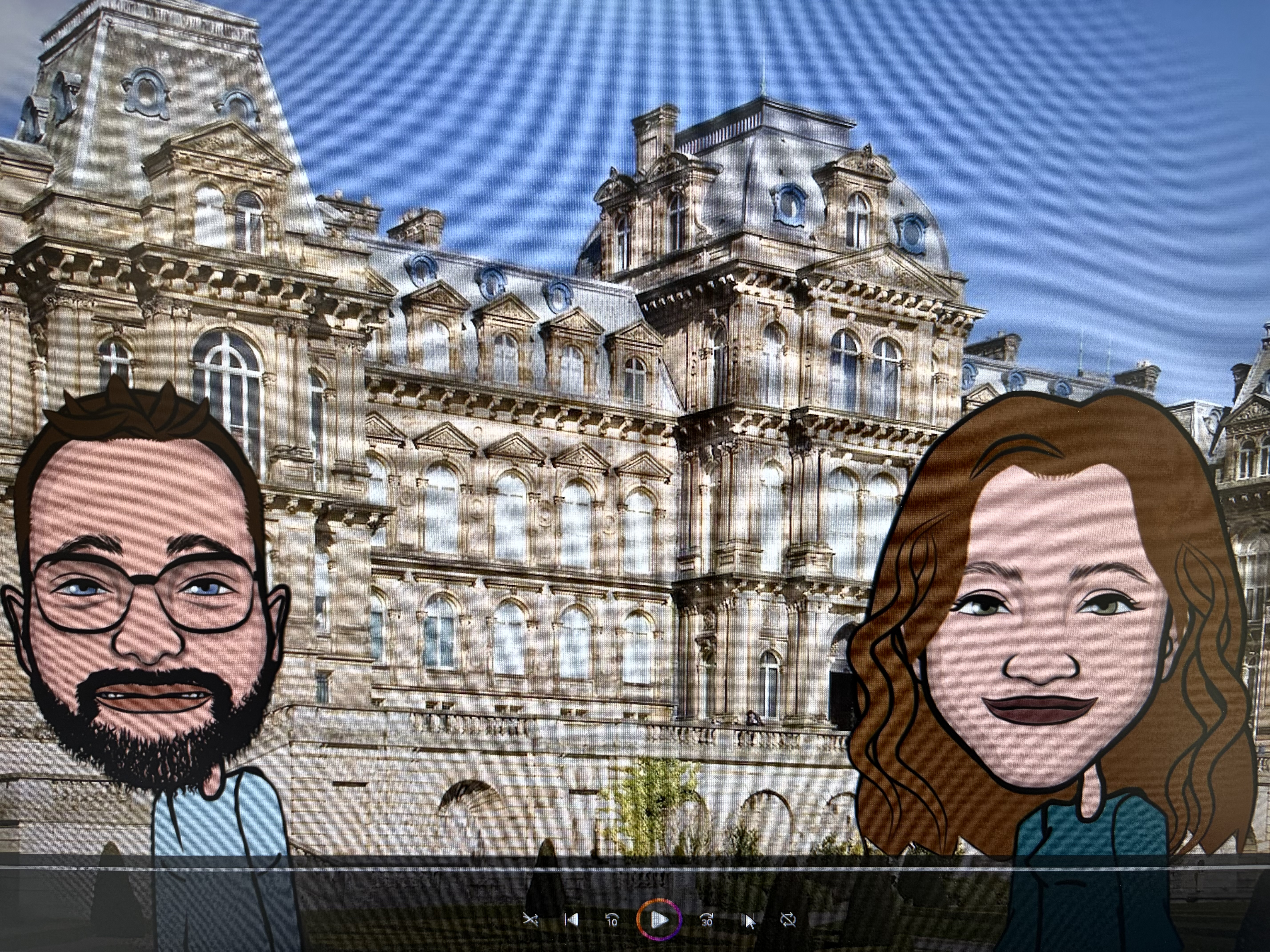
One thing we were still working on in the early drafts for the John Bell film was how the avatars would look and sound – we eventually ended up with two avatars that we thought represented Mark and Mo relatively well in all five sets of films (see below – the final avatars with The Bowes Museum in the background).

Final avatars for the Year of the Dealer films. Image, Antique Dealer Research Project, University of Leeds.

A Big Reveal (for those that do not already know this of course) is that the Mark avatar voice is me of course (Mark); the Mo avatar voice is actually my lovely wife Mo! We had considered hiring other people (or indeed some professional actors) to be the voices of Mark and Mo but the work required was impossible to fit into a defined time period and needed to be spread over many months to accommodate various edits etc., so it was extremely difficult to cost it for an external supplier and very hard to work up a firm schedule.

One extra complication of this was that any edits and new lines of audio (of which there were many) had to be recorded in exactly the same environment and conditions to match in with the existing audio. We could not afford to record the audio in a Sound Studio – we actually recorded the audio at home in my then home office – or ‘bedroom 3’ as it was! This brought up many challenges – we had, for example, some very loud Wood Pigeons in the garden and often had to wait for sound breaks in their cooing before pressing ‘record’ on the audio recorders!

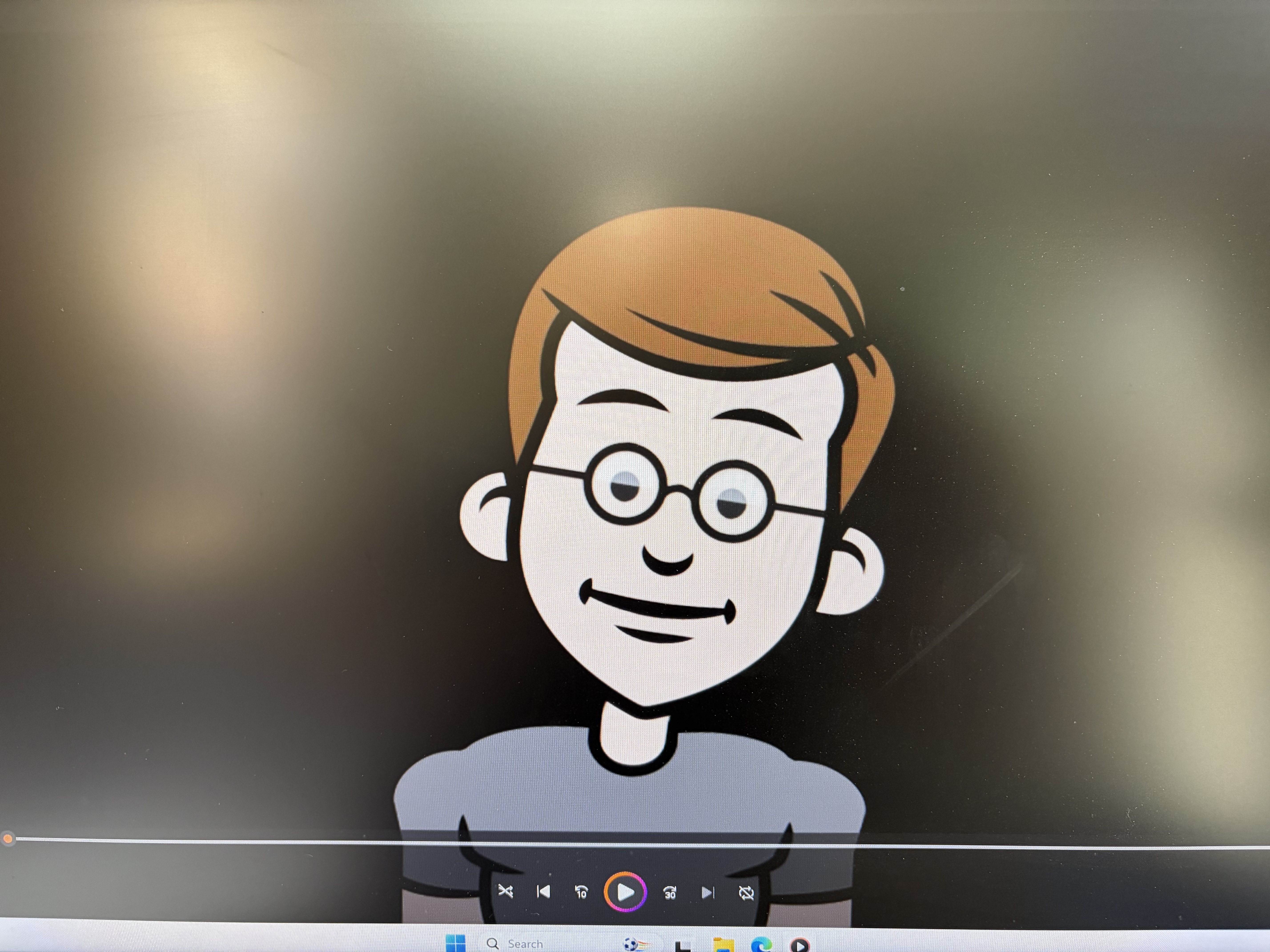
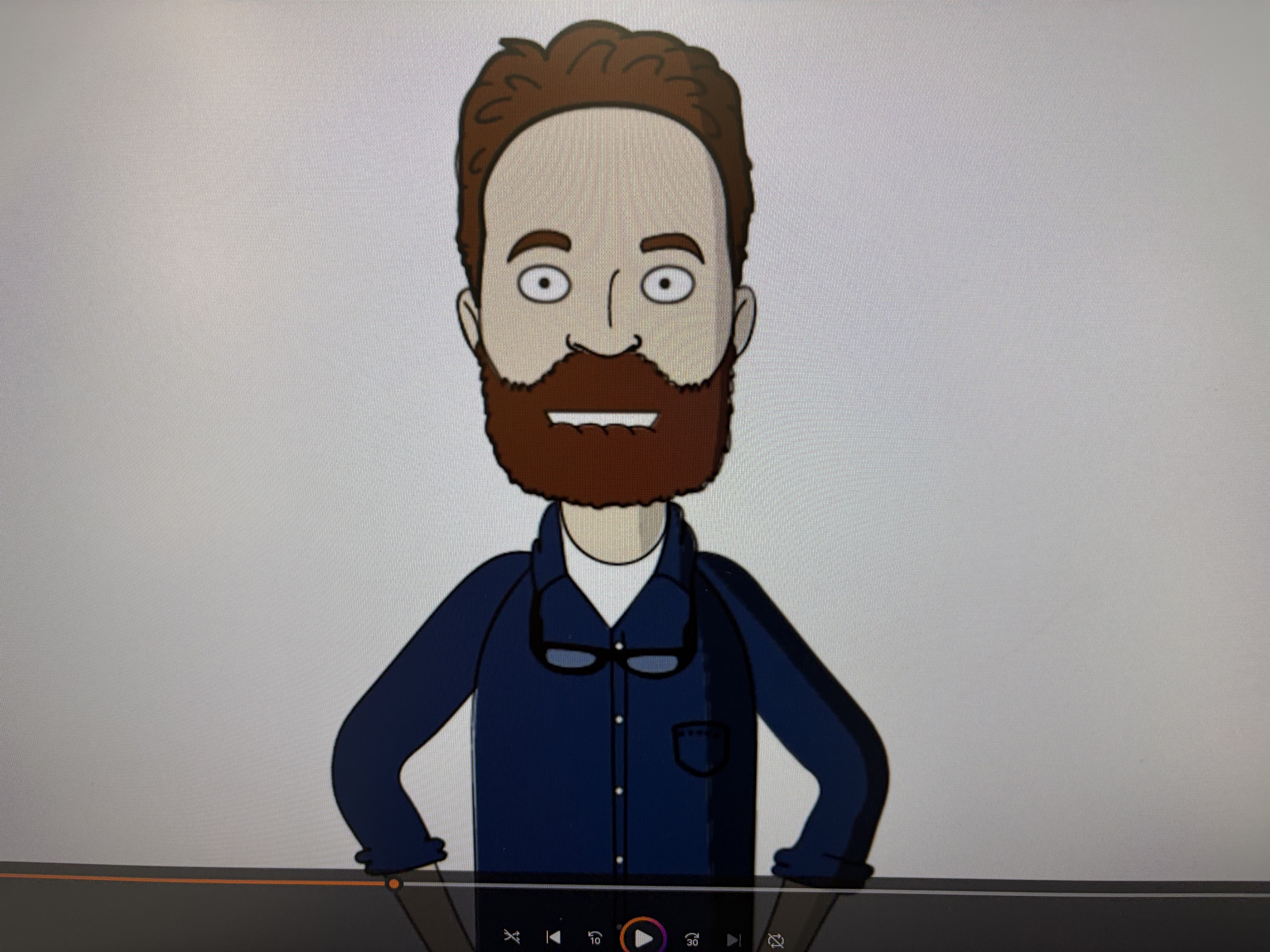
The early drafts of the visual material for the avatars that Patrick Bannon (our brilliant film-maker) worked on were often quite something! Here’s one of the early drafts of the Mark avatar (see below). We thought this looked a bit too cartoon-like (and a bit too young!).

First attempt at Marks’ avatar, Year of the Dealer films. Image, Antique Dealer Research Project, University of Leeds.

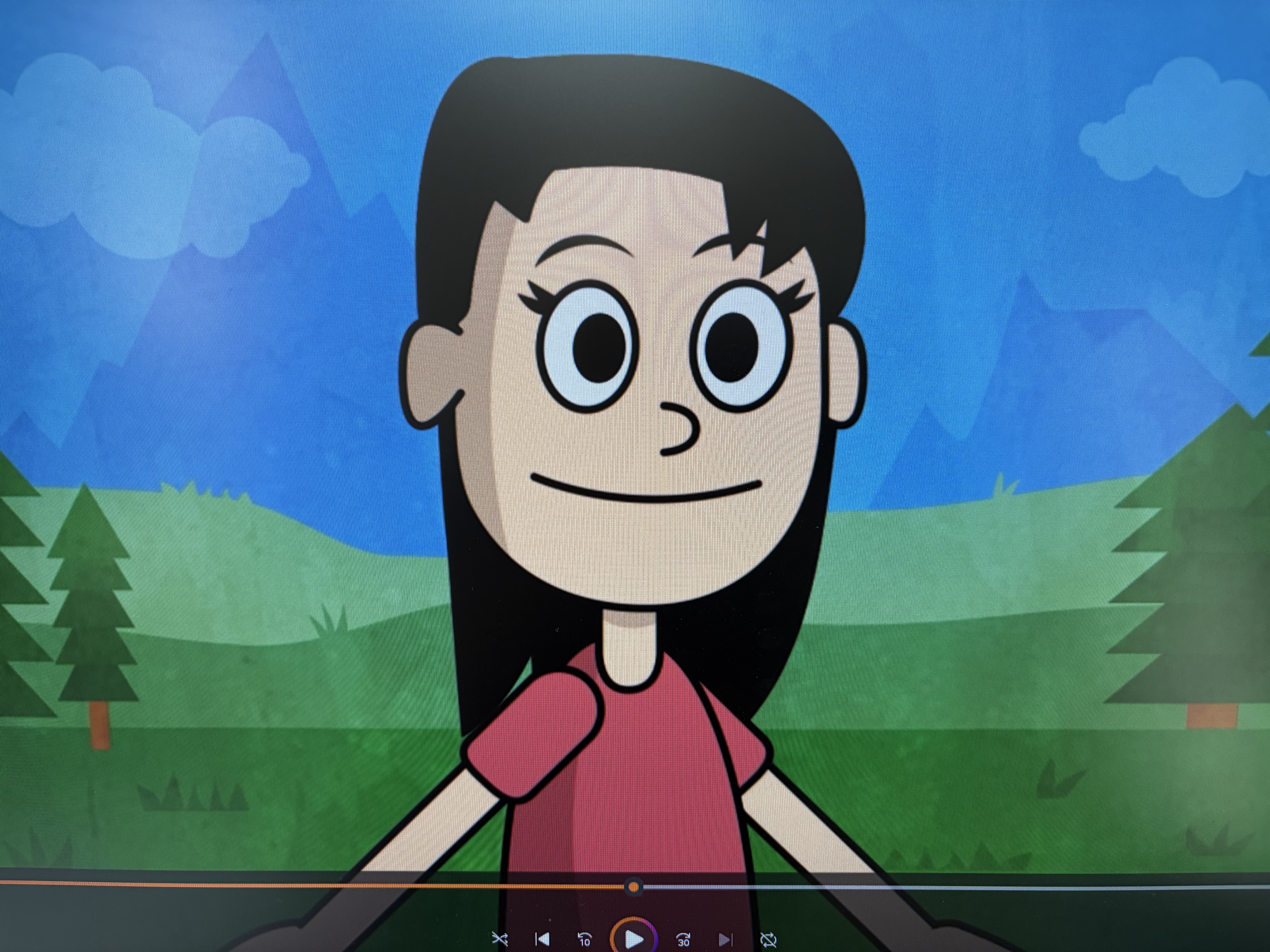
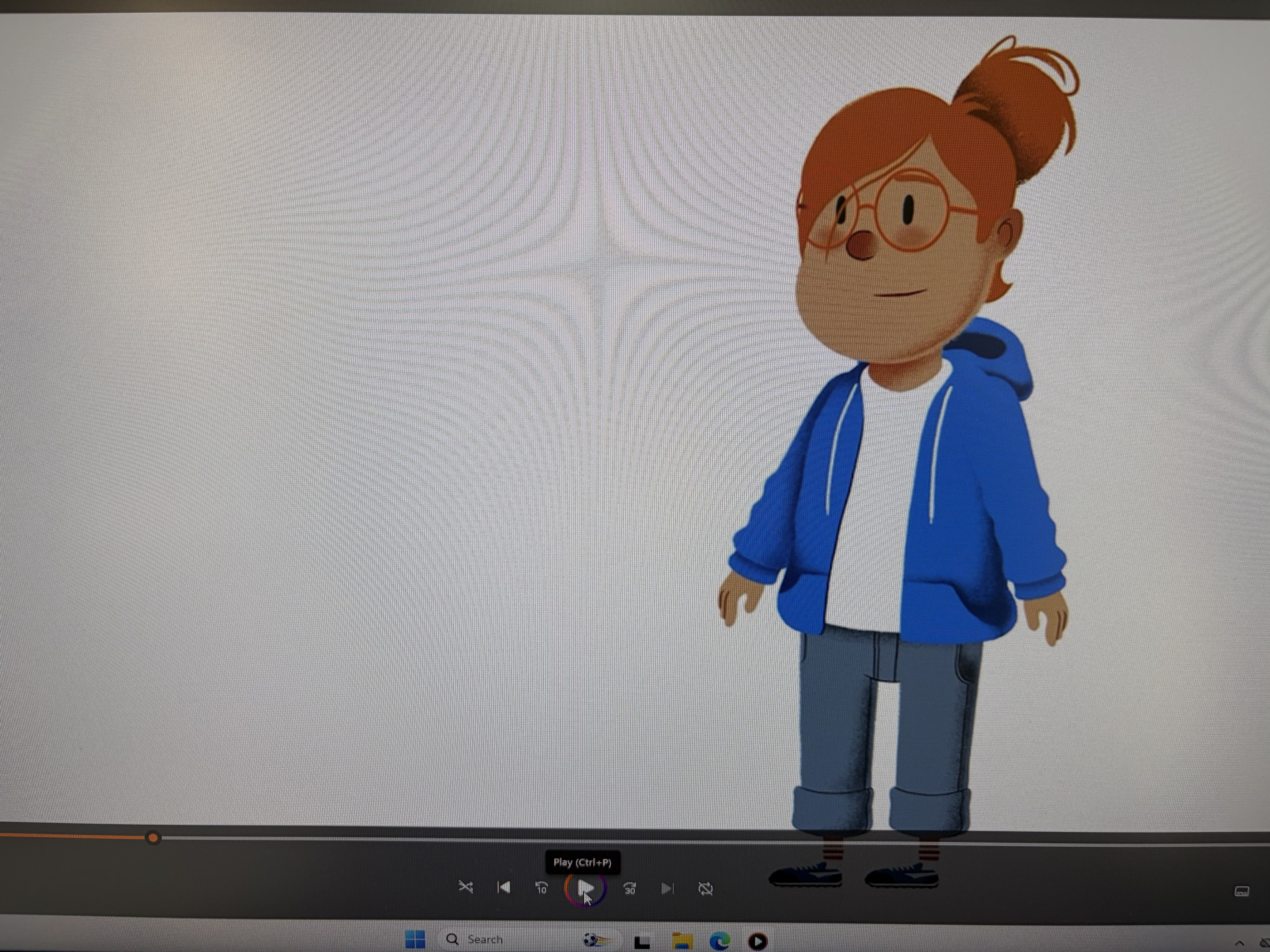
And here’s a similar early draft of the Mo avatar (see below) – which we also thought looked a bit too cartoon-like (we were also not sure why Mo’s early avatars were stuck in a forest either!)

First attempt at Mo’s avatar, Year of the Dealer films. Image, Antique Dealer Research Project, University of Leeds.

Patrick sent us various other ideas before we eventually settled on the final versions of the avatars – here’s a couple more versions (see below) – this one is getting a bit closer to the finished version of the Mark avatar, but still looked a bit too stern…..and perhaps a bit too much like a ‘psycho-killer’!

Another attempt at Mark’s avatar, Year of the Dealer films. Image, Antique Dealer Research Project, University of Leeds.

And another early version of the Mo avatar (see below) – which we thought maybe made the Mo avatar look a bit too ‘Gen Z’ .

Another attempt at Mo’s avatar, Year of the Dealer films. Image, Antique Dealer Research Project, University of Leeds.

As you might appreciate there was an awful lot of work in creating and producing the films and a lot of decisions to be made; we would like to thank Patrick again for all his hard work (and patience!) on various drafts, iterations and edits.

Look out for next week’s blog for another ‘Behind the Scenes of the Year of the Dealer’.

Mark
June 29, 2026

Behind the Scenes of the Year of the Dealer 2 – H. Blairman & Sons at Temple Newsam

Here’s some more behind the scenes ‘gossip’ from The Year of the Dealer – this one is on the making of the digital film trail at Temple Newsam for H. Blairman & Sons sale of the famous library desk made in c.1770 by Thomas Chippendale for Harewood House – here’s the finished film on the YoD website

This was quite a complicated film to make as we had to go to London to create a filmed interview with Martin Levy (current owner/director of H. Blairman & Sons) for the Temple Newsam film; we also used extracts from the interview with Martin in the other H. Blairman & Sons films for Bowes Museum and V&A.

We spent quite a lot of time at Temple Newsam working with the amazing front of house team and Adam Toole, curator, Temple Newsam and Decorative Art, making the introductory pieces to camera and photographing the desk etc. It was a lot of work, but we had a lot of fun too.

Viewers may notice when you watch all the films there is a repetitive rhythm to the piece to camera that introduces each of the museum objects – we wanted ‘antique’ and ‘antique dealer’ to be constant phrases in all the introductory pieces in all the films to emphasize these key ideas throughout the project. But this ‘script’ was often surprisingly easy to trip up on – here’s Adrian Thompson, one of the visitor assistants at Temple Newsam, trying to nail his introduction to the Harewood House library desk – Adrian very generously agreed to let us all see one of his (multiple) attempts!…many thanks to Adrian for allowing us to show this.

Adrian Thompson, Visitor Assistant at Temple Newsam, introduces the Harewood House library desk.

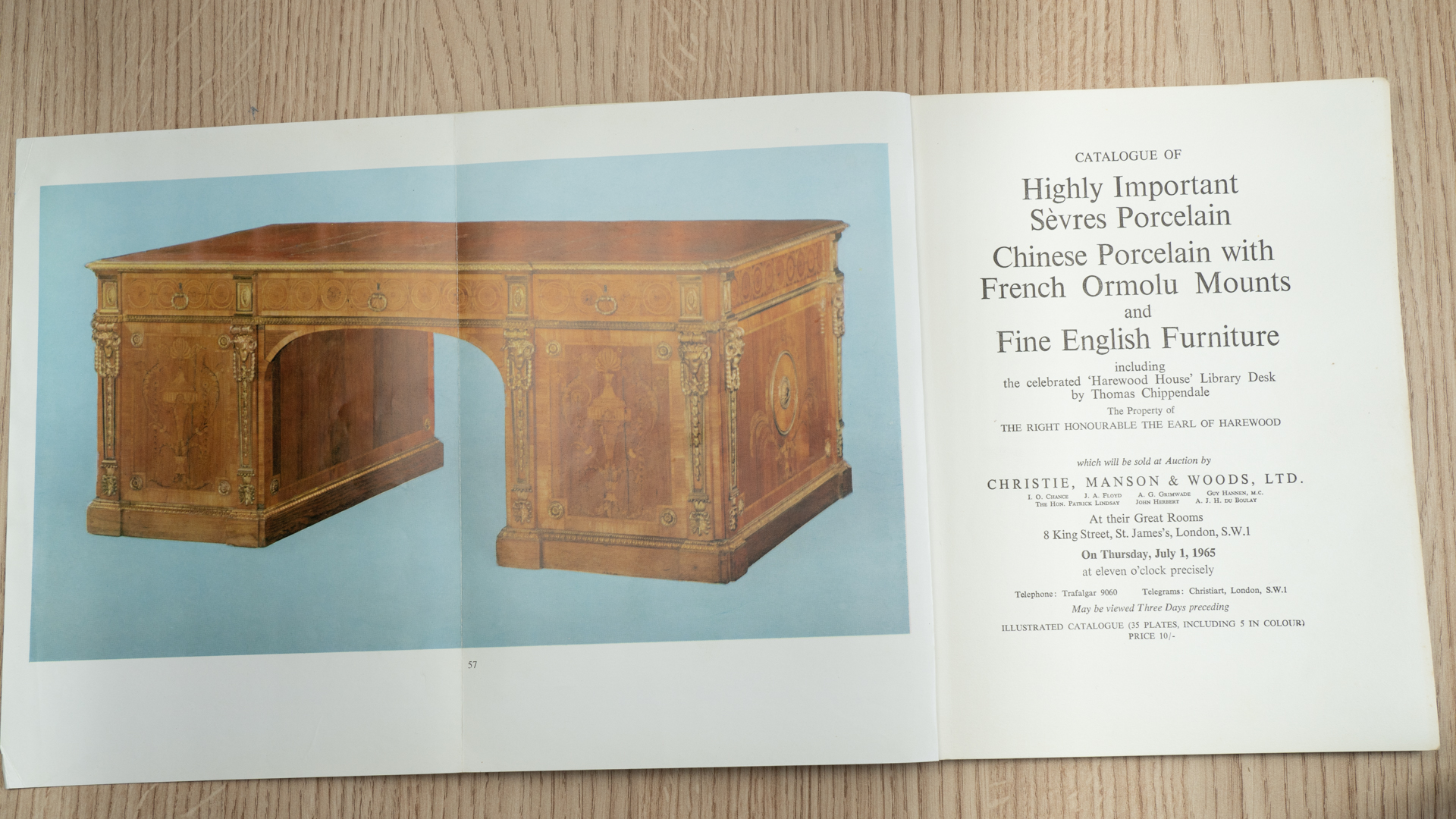
Like in many of the other films, there were numerous images/photographs that we could have used in creating the films but we could not really find the space in the time limits we had placed on the length of the films. In the Temple Newsam H. Blairman & Sons film we had photographs of the various reports on the sale of the desk in national and local newspapers (the sale of the desk featured in reports in The Guardian (Sept 1965) and thee Yorkshire Post (Nov 1965) and several others), but could not find space for the images. We also thought about including a few images of the Christie’s auction catalogue (1st July 1965) – (see below) but could not find space for this in the film without the images appearing and disappearing too rapidly. The catalogue is interesting though, as it highlights the importance of the desk – it had a colour photo fold out of the desk as the frontispiece.

Christie’s auction catalogue, 1st July 1965. Image, Antique Dealers Research Project, University of Leeds.

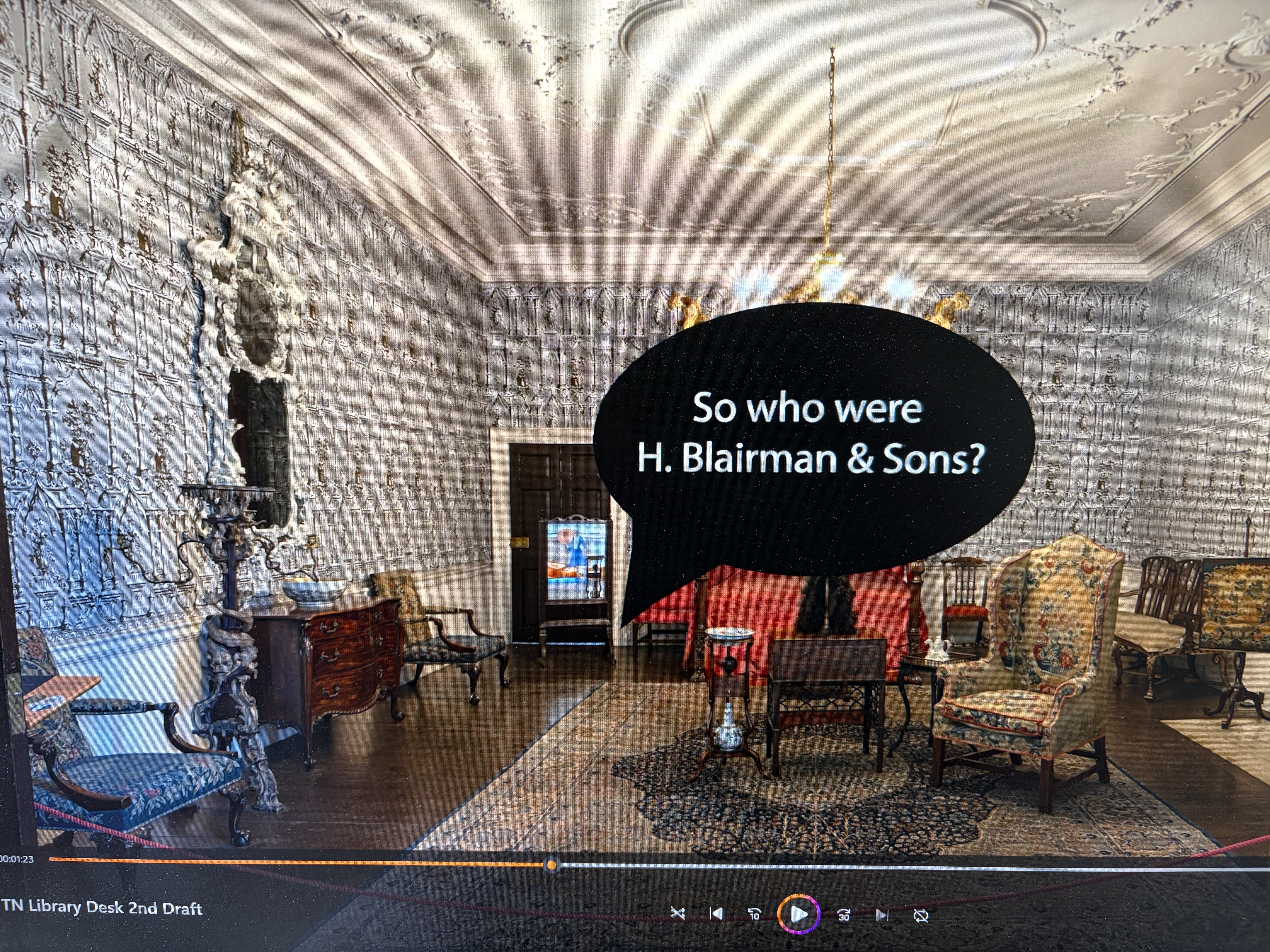
There were some other ideas we tested in the drafts for the film – one of which was that we might include speech bubbles to coincide with the avatar’s audio (see below – this is what the Mo avatar says in the script). This looked so bad though, so we decided to drop it; plus all the films have hard of hearing subtitles embedded as part of the software which viewers can turn on if they need to.

One of the other things that we noticed in the early drafts of the Temple Newsam YoD film was that in the first drafts of this shot (above) of the ‘Gothic Room’ at Temple Newsam viewers could see Patrick (the film maker) taking the film reflected in the cheval mirror at the back of the room on the left side – we could not film this all over again as it would mean having to book time to go to Temple Newsam again…so Patrick rather cleverly cut and pasted a reflection of what could be seem in the mirror if we were not there into this section of the film…..the devil is in the detail!

We’ll have another Behind the Scenes of the Year of the Dealer next week.

Mark

Home Subjects

a working group dedicated to the display of art in the private interior, c. 1715-1914

The Period Room: Museum, Material, Experience

An International Conference hosted by The Bowes Museum and The University of Leeds

H. Blairman & Sons Ltd

A research project investigating the history of the antiques trade in Britain in the 19th & 20th centuries

Museum Studies Now?

'Museum Studies Now?' is an event which aims to discuss and debate museum and heritage studies education provision.

The Burlington Magazine Index Blog

art writing * art works * art market

East India Company at Home, 1757-1857

A research project investigating the history of the antiques trade in Britain in the 19th & 20th centuries