Here’s some more behind the scenes information on the making of the Year of the Dealer films – this time the Asprey & Co film at The Bowes Museum – you can watch the final version of the film HERE.
Unlike many of the antiques highlighted in the Year of the Dealer films, which were direct sales by antique dealers to the various museums, the Asprey & Co film relays quite a complex story about the various movements of the antique cabinet (the so called ‘Warwick Cabinet) in the art market; we hoped this would be an interesting and revealing story for the viewers of the YoD films.
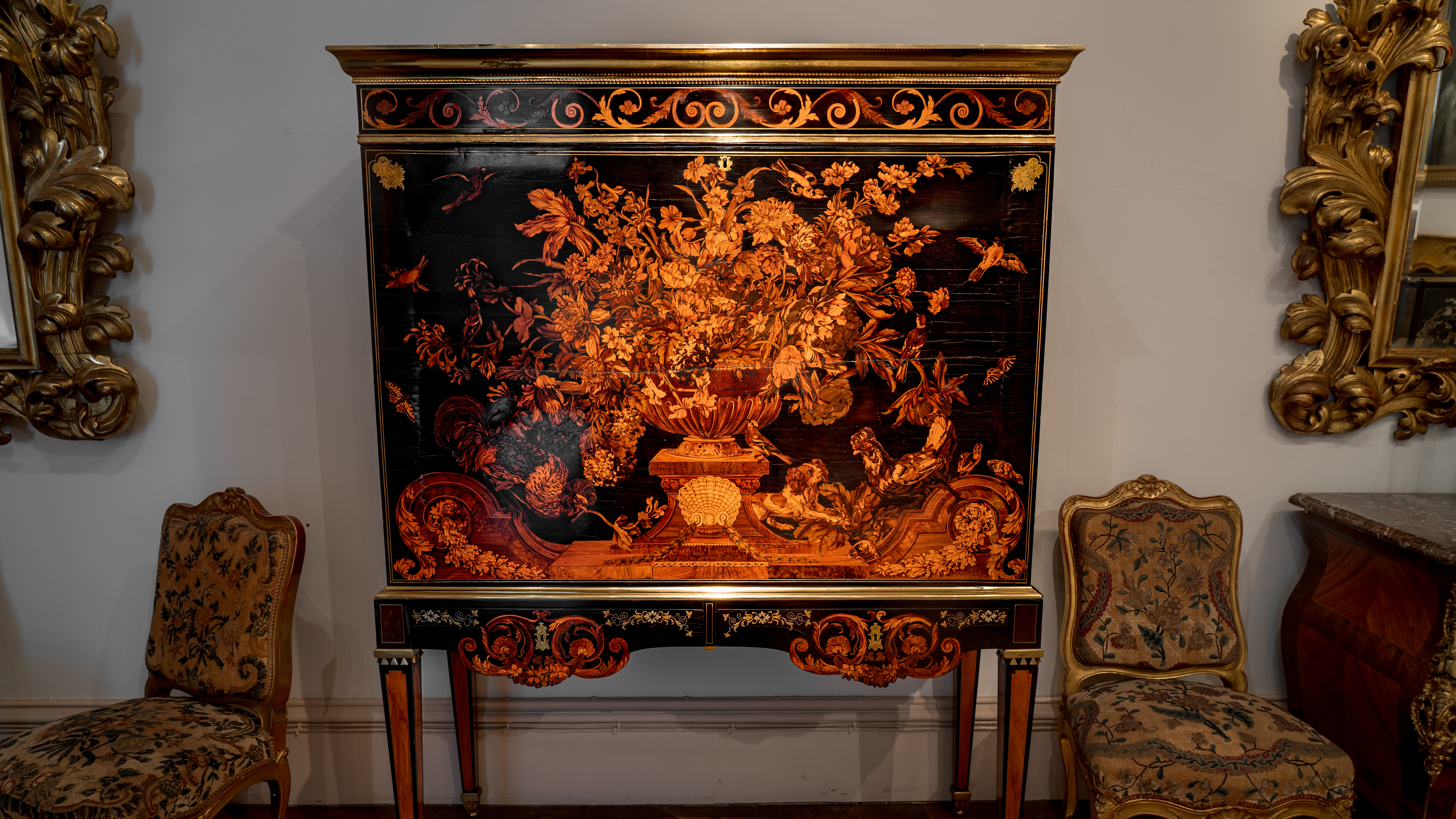
We had posted a blog post on the Warwick Cabinet on the Antique Dealer Research Project Blog back in 2018, ‘Shopping for Antiques in Two Centuries’ – see HERE. The 2018 blog post gave full detail on the history of the cabinet and its various appearances in the art market so I won’t repeat that here of course. But there were some interesting images that we might have included in the Asprey & Co Year of the Dealer film, but we could not work an effective way to draw into the film, given the constraints of the limited space and time we had for duration of the Year of the Dealer films.
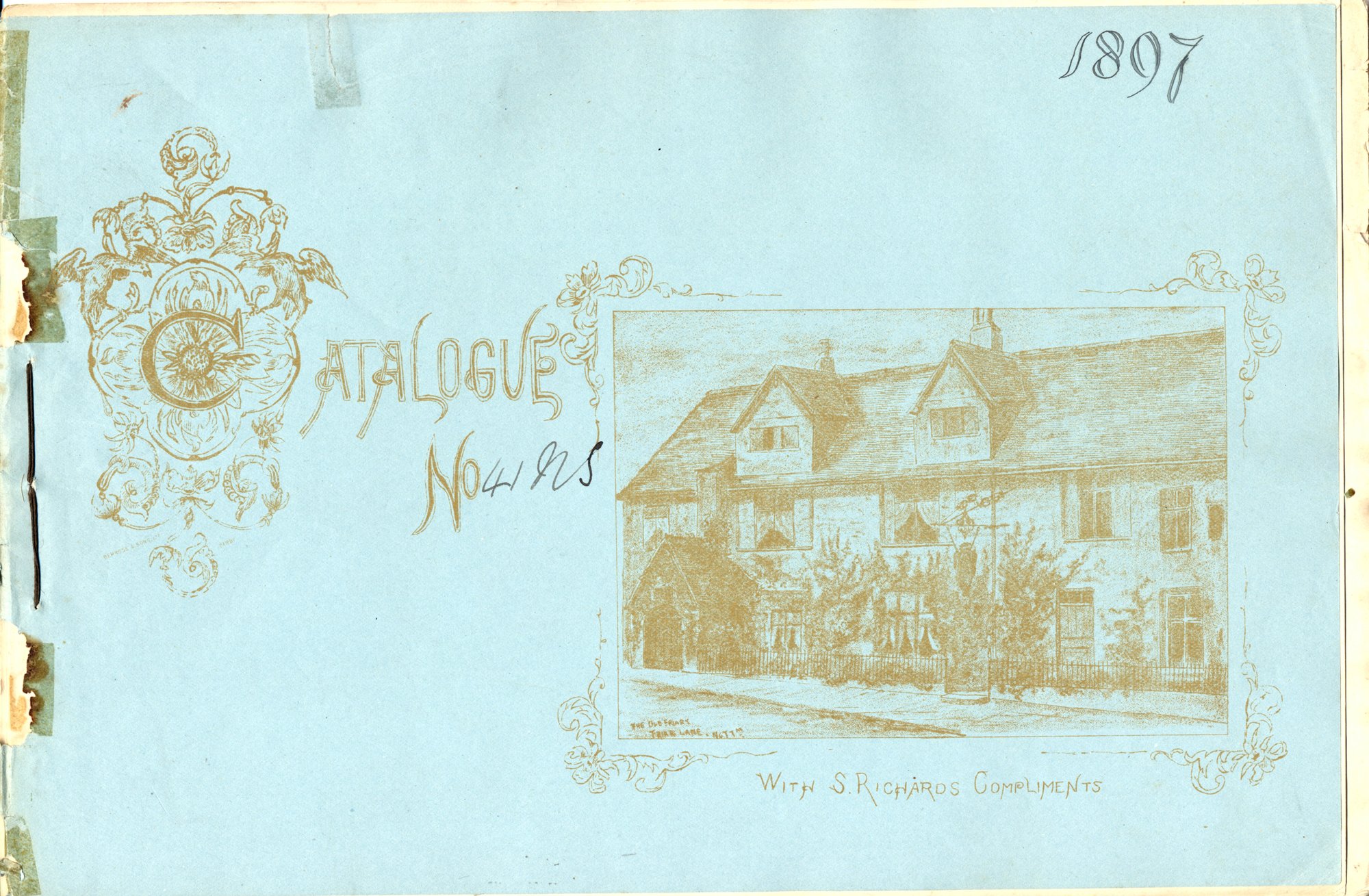
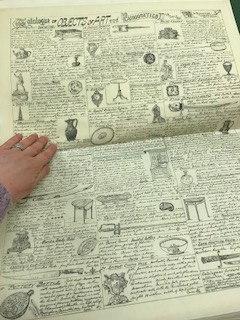
For example, we had a copy of the Christie’s auction catalogue (30th May 1968) for sale of the Warwick Cabinet in London – we showed the front cover of the auction catalogue in the Asprey & Co film but could not find space for an image of the actual catalogue entry (see below) – we felt we would have needed to leave the image on screen for quite a while to allow time for people to actually read the text – I find it’s always a challenge putting text on screen in a film.
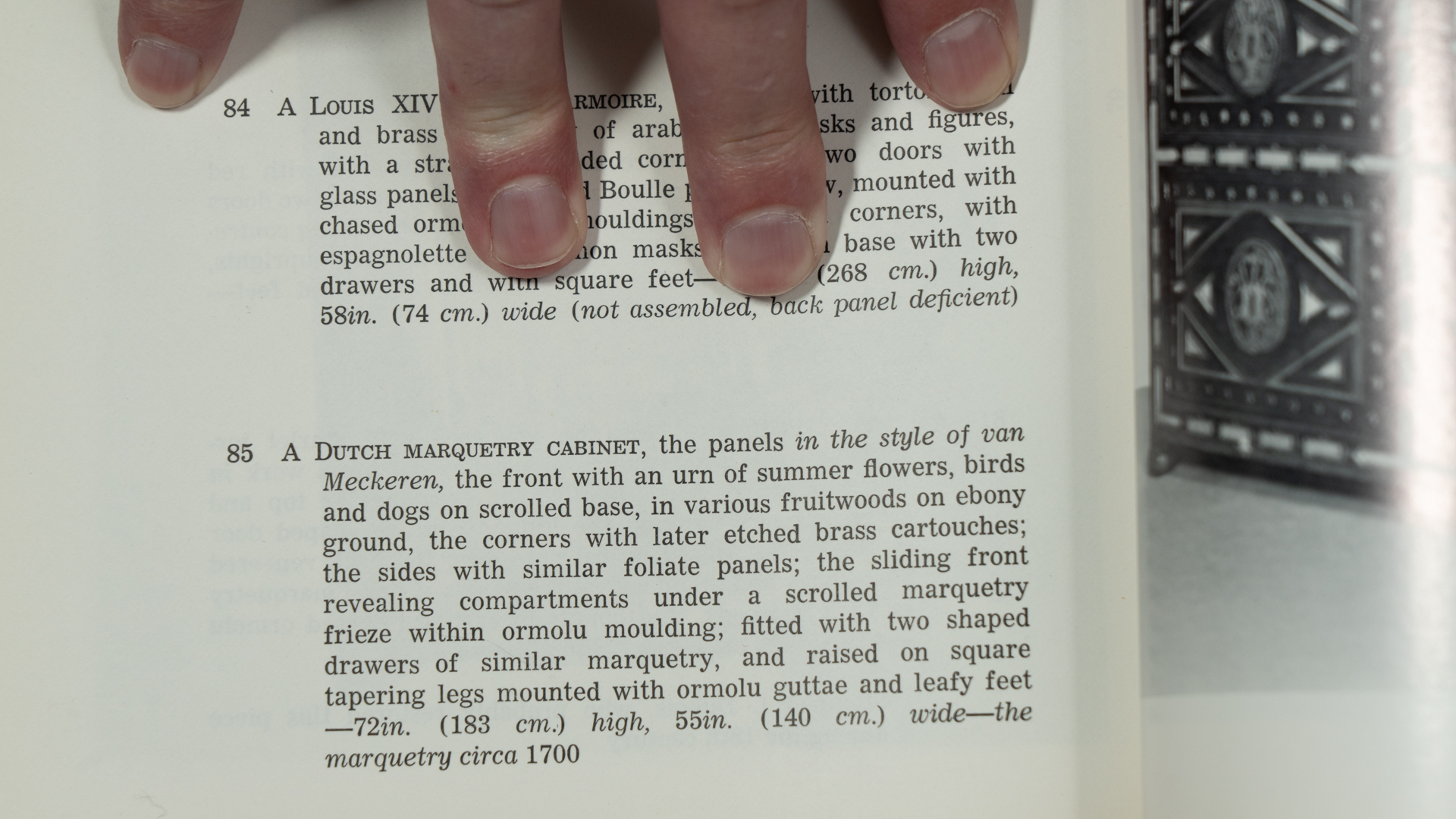
It was a pity we could not find space for the catalogue entry image as it does draw further attention to the impact of the changing attribution of the cabinet – as I mentioned in the 2018 blog post, the cabinet goes from ‘Dutch’ (in the Christie’s catalogue) in 1968, to ‘French’ (in the Asprey & Co. advertisement) in 1969, and finally to ‘English’ (attributed to the famous London cabinetmakers of Mayhew & Ince) in 1979. These changing attributions highlight the shifting nature of expertise and how such attributions shape, and are shaped by, the market for such objects.
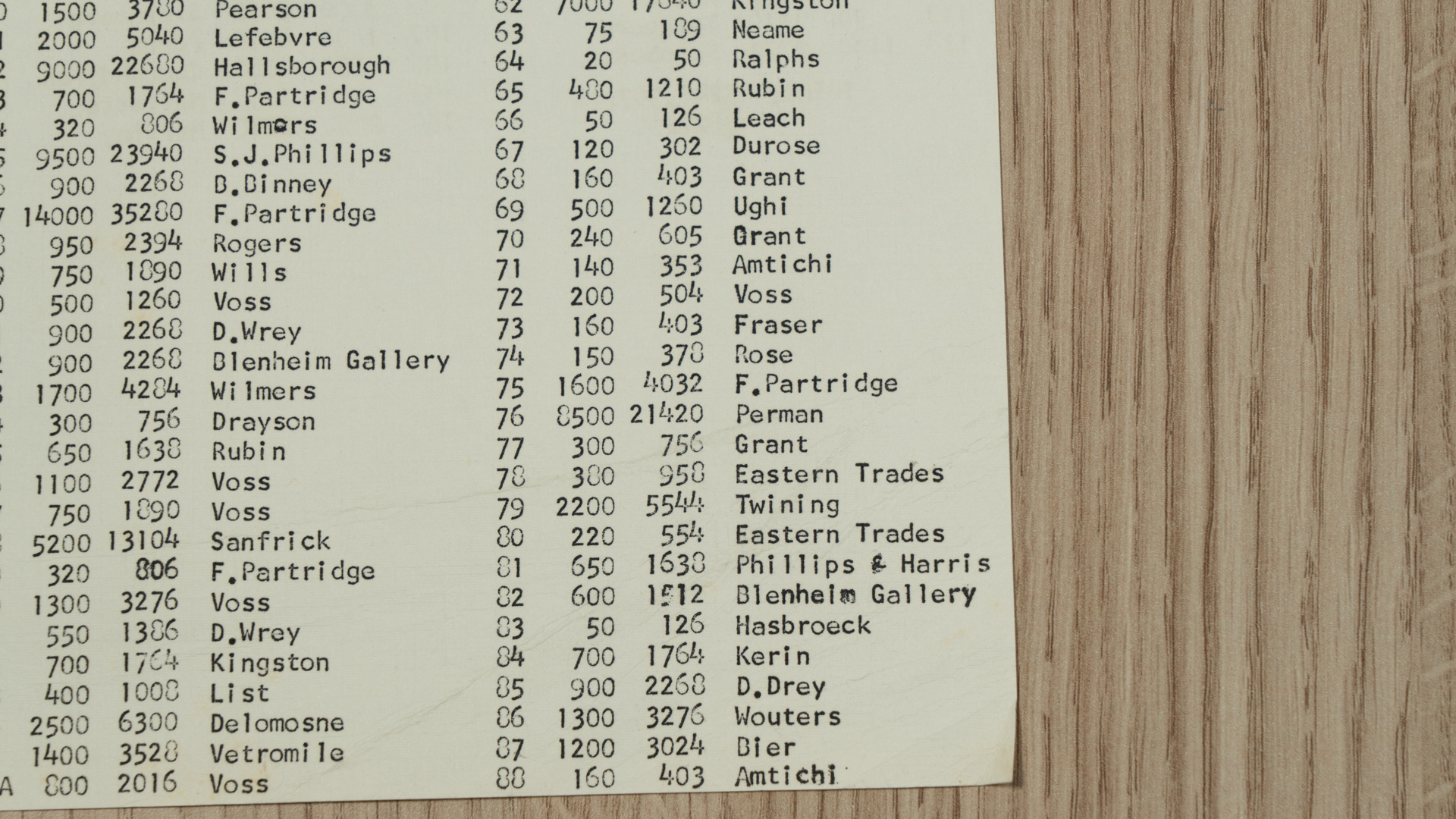
We had another image we might have used, also from the Christie’s 1968 auction catalogue, but this time it was an image of a slip of paper tipped inside the catalogue listing all the buyers (and what they paid) for the objects at the auction sale (see below). You can see Lot 85 (The Warwick Cabinet), which sold for 900 guineas (a guinea was £1 + 1 shilling) to the antique dealer David Drey, who was then trading in ultra-fashionable King’s Road in London. The practice of supplying a list of the names of buyers and the prices realised at auction (you had to pay an extra subscription to the auction house to obtain such lists) was adopted by all the major London auction houses during the 1950s until the mid-1970s – notwithstanding many of the leading newspapers had regularly named buyers (and prices) at auctions since the early 19th century, the practice of supplying lists of names of buyers (and prices) seems extraordinary now, given the importance of GDPR etc!
Do look out for more ‘Behind the Scenes of the Year of the Dealer’ next week.
Mark
Look out for next week’s blog for another ‘Behind the Scenes of the Year of the Dealer’.
Mark