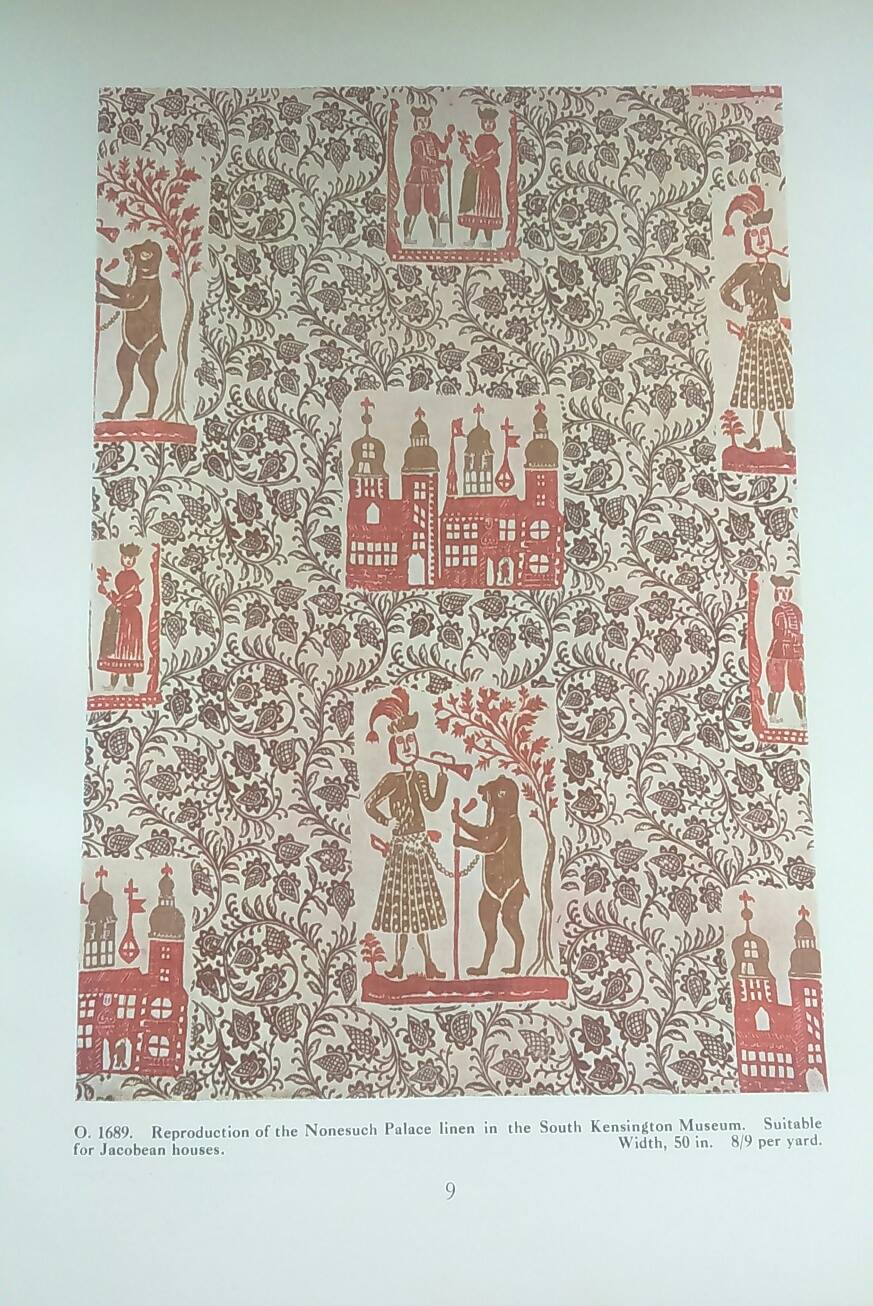
A recent addition to the corpus of antique dealer ephemera that the antique dealer project continues to gather is a rare sales catalogue produced by the London department store Debenham & Freebody in about 1910. The small paper catalogue (7.5 inches wide by 10 inches high) has 25 pages packed with images and listings of antiques that Debenham’s offered for sale.
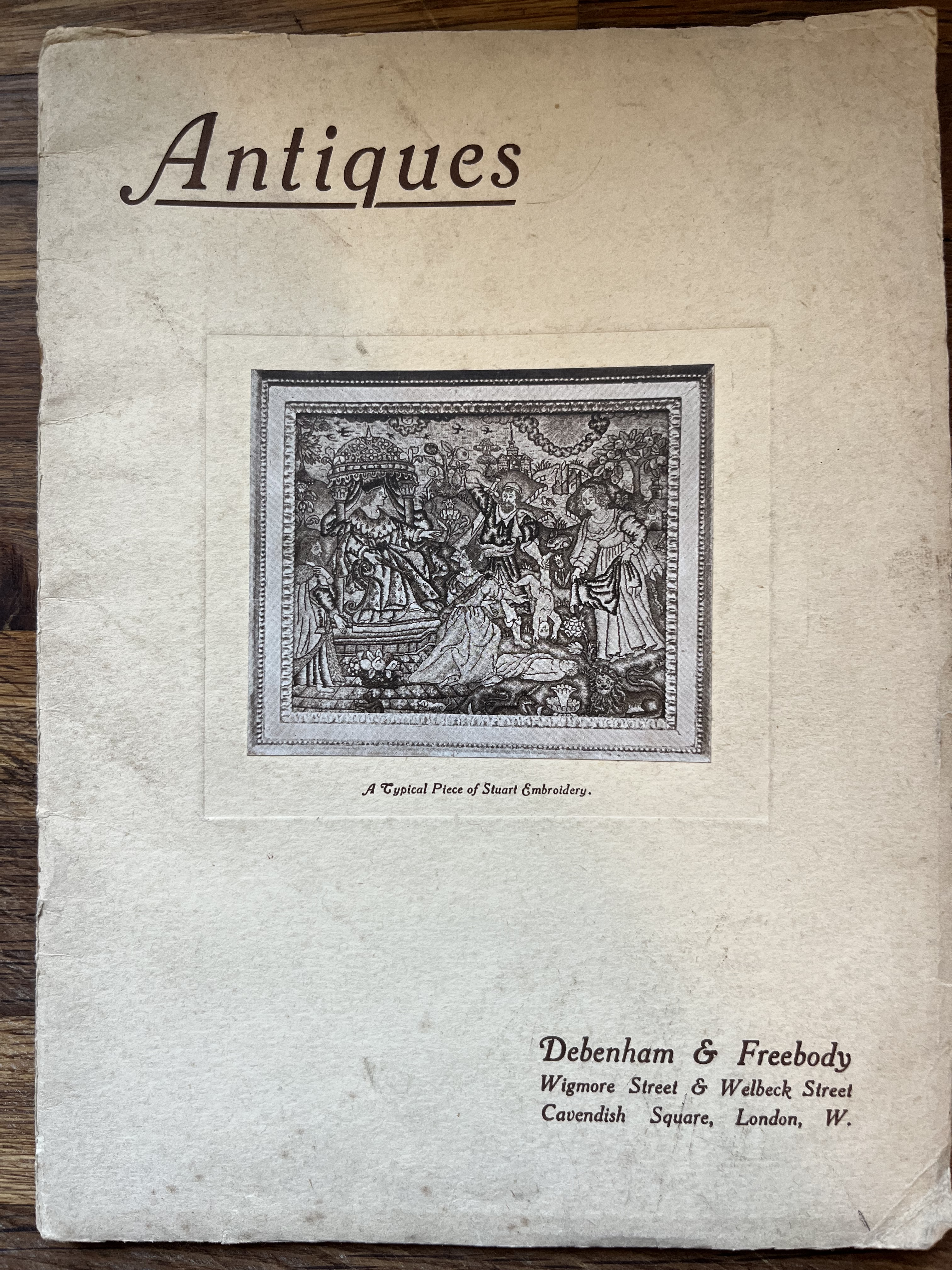
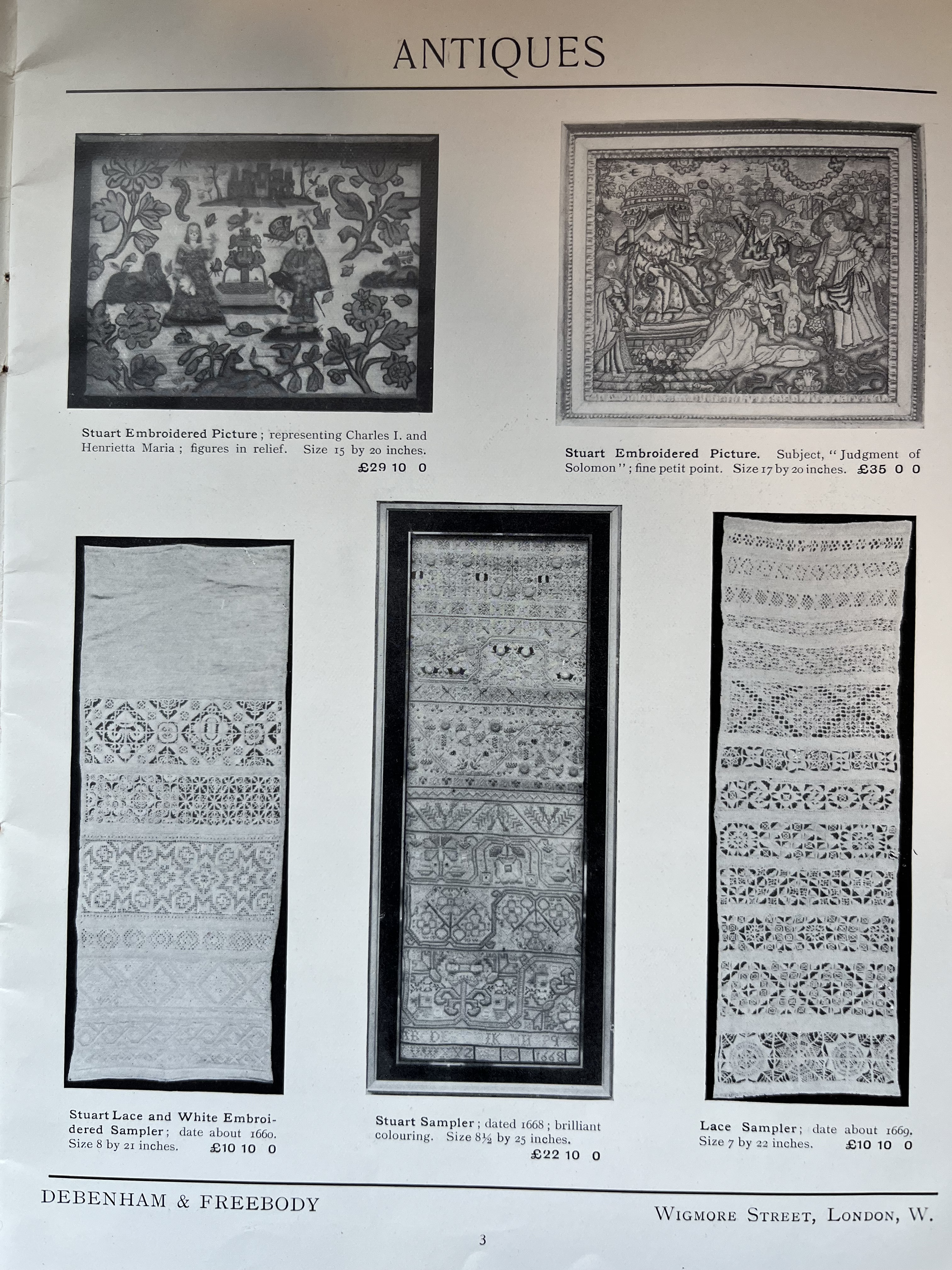
The Debenham and Freebody catalogue lists 246 items for sale, almost half of which are antique textiles, lace and embroideries, reflecting the keen interest in such objects in the early 20th century. Indeed, in the Introduction in the opening pages of the sales catalogue the writer emphasises the significance of women as consumers of antique textiles – ‘Ladies who are interested in home needle craft are informed that we have a very large number of quite inexpensive fragments and small pieces of brocades and galons suitable for making up into all kinds of fancy articles.’ Beyond these ‘fragments’ there were many rare items offered for sale, including rare ‘stumpwork’ embroideries and samples of antique lace (see below); the ‘Stuart Embroidered Picture, Subject, ‘Judgement of Solomon’ had a hefty price of £35.0.0. (equivalent at the time to as much as £28,000). The embroidery was also illustrated on the front of the sales catalogue, (see above) emphasising its importance.
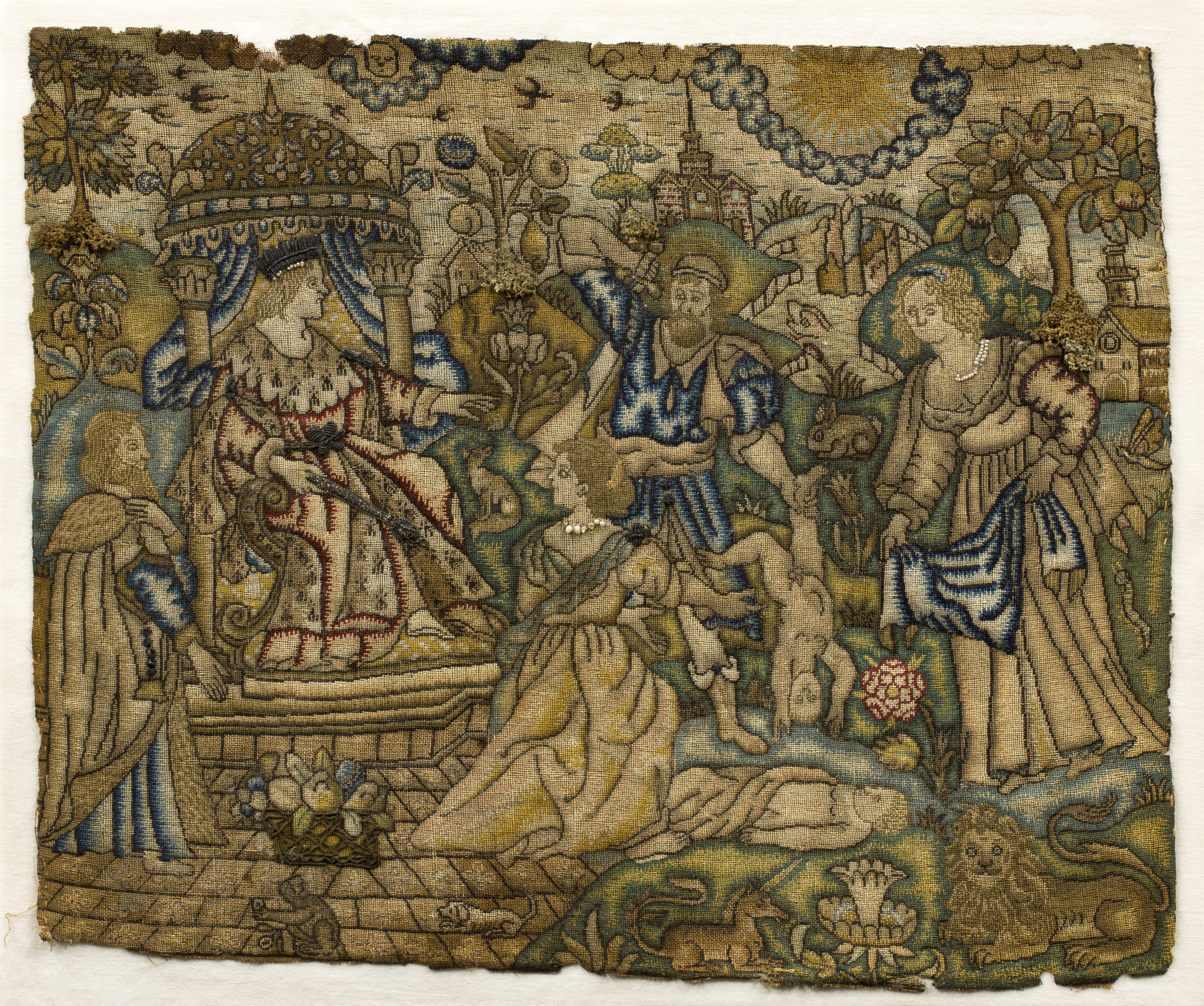
It seems likely likely that the ‘Stuart Embroidery’ illustrated in the Debenham & Freebody sales catalogue is the same one that is currently in the St. Louis Art Museum in Missouri in the USA. The subject is of course the same, but the addition of seed pearls around the necks of the two female figures to the centre and to the right suggests that the Debenham & Freebody embroidery and the St. Louis Art Museum example are the same. The St. Louis Museum of Art embroidery no longer has the giltwood frame (which was much later than the embroidery). The provenance for the St. Louis Art Museum embroidery suggests it was given to the museum in 1972 by Mrs. William A. McDonnell (Carolyn Vandergrift Cherry McDonnell), who married William A. McDonell (1894-1988) in about 1919; Carolyn’s husband was a prominent railroad executive and banker. It is not known who McDonnell purchased the embroidery from, but it is likely that it passed through other hands before it ended up in the USA.
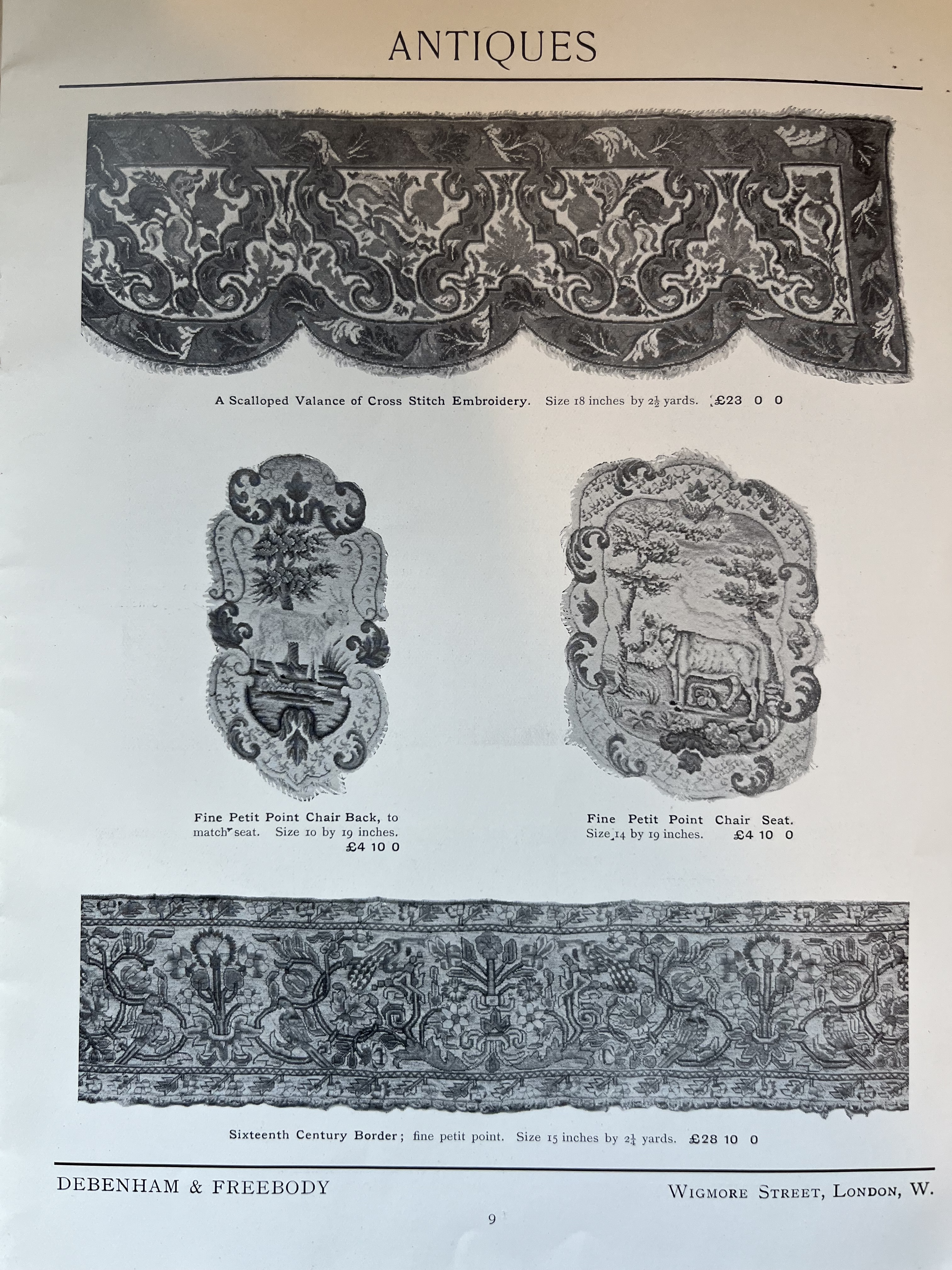
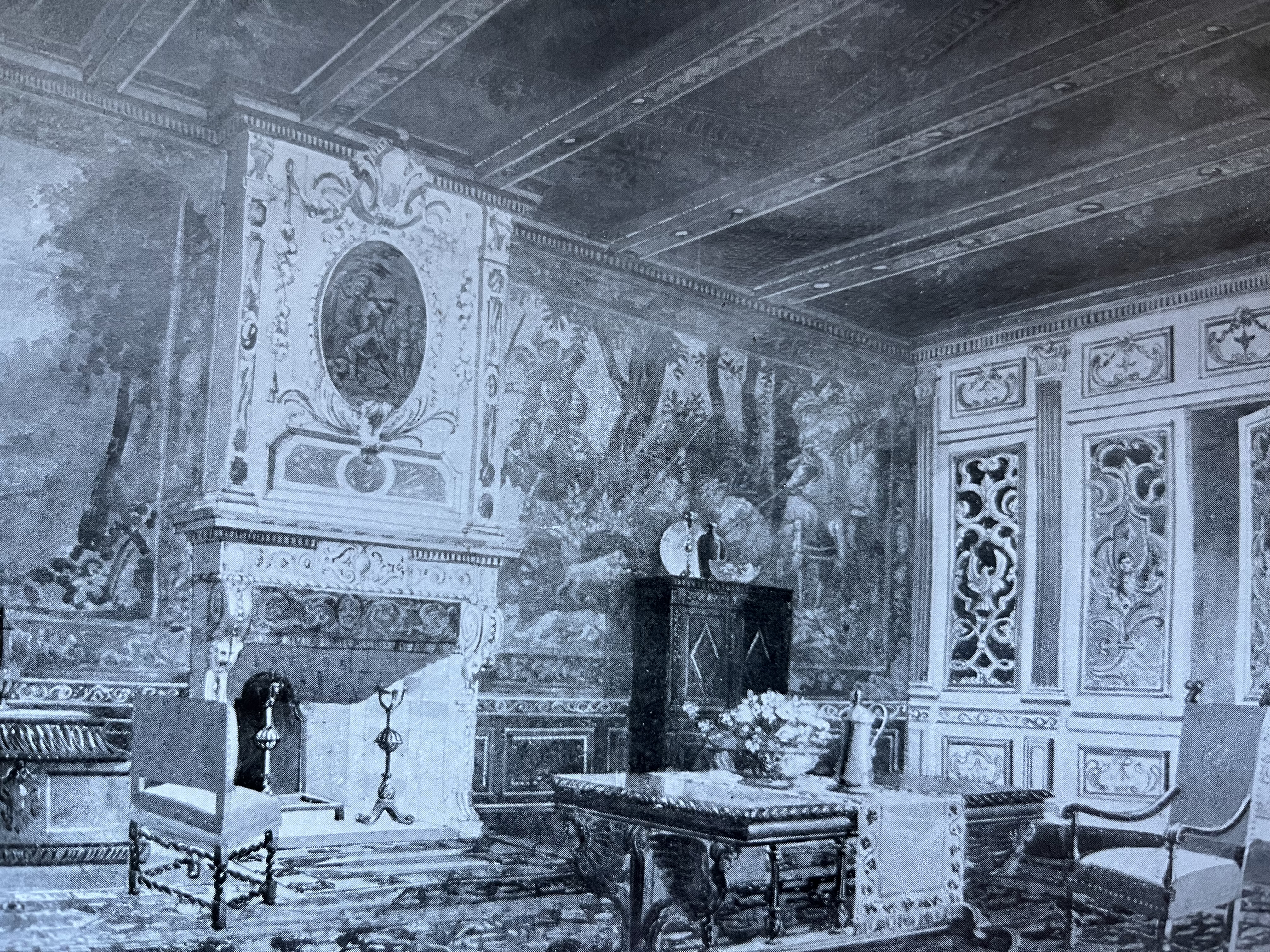
Other pages illustrate fragments suitable for embellishing antique furniture, or for display as relics of past crafts. The ‘Fine Petit Point Chair Back’ (£4.10.0) and ‘Chair Seat’ (£4.10.0) (see below) would potentially enhance an 18th century antique chair; or the ‘Sixteenth Century Border’ (£28.0.0.) (below) would be a fine addition to an antique oak interior, so fashionable at the time.
18th century, and even early 19th century needlework pictures (see below), also seemed to be very popular, keying into the 18th century and ‘Regency’ revivals that were generating interest in the period.
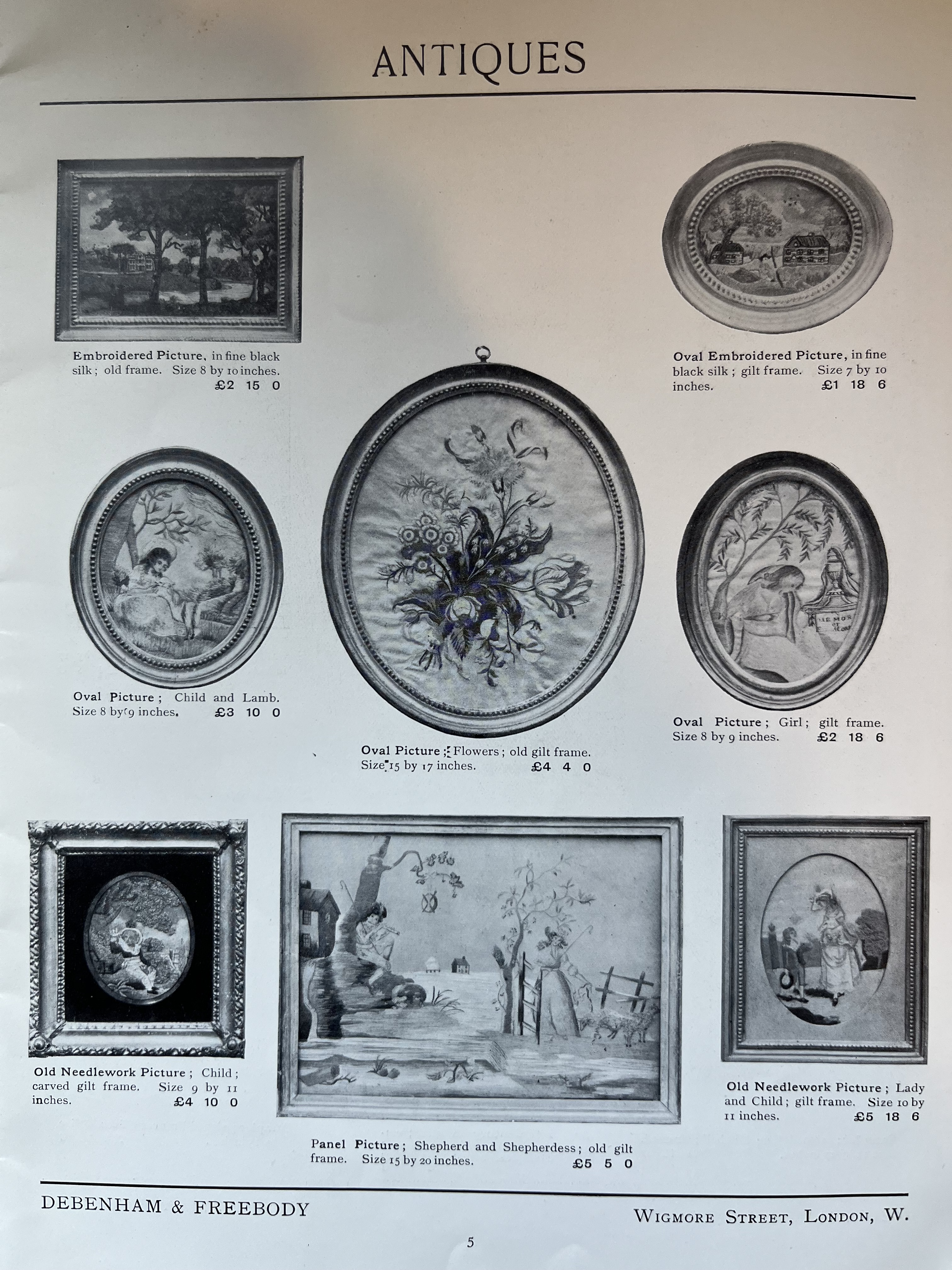
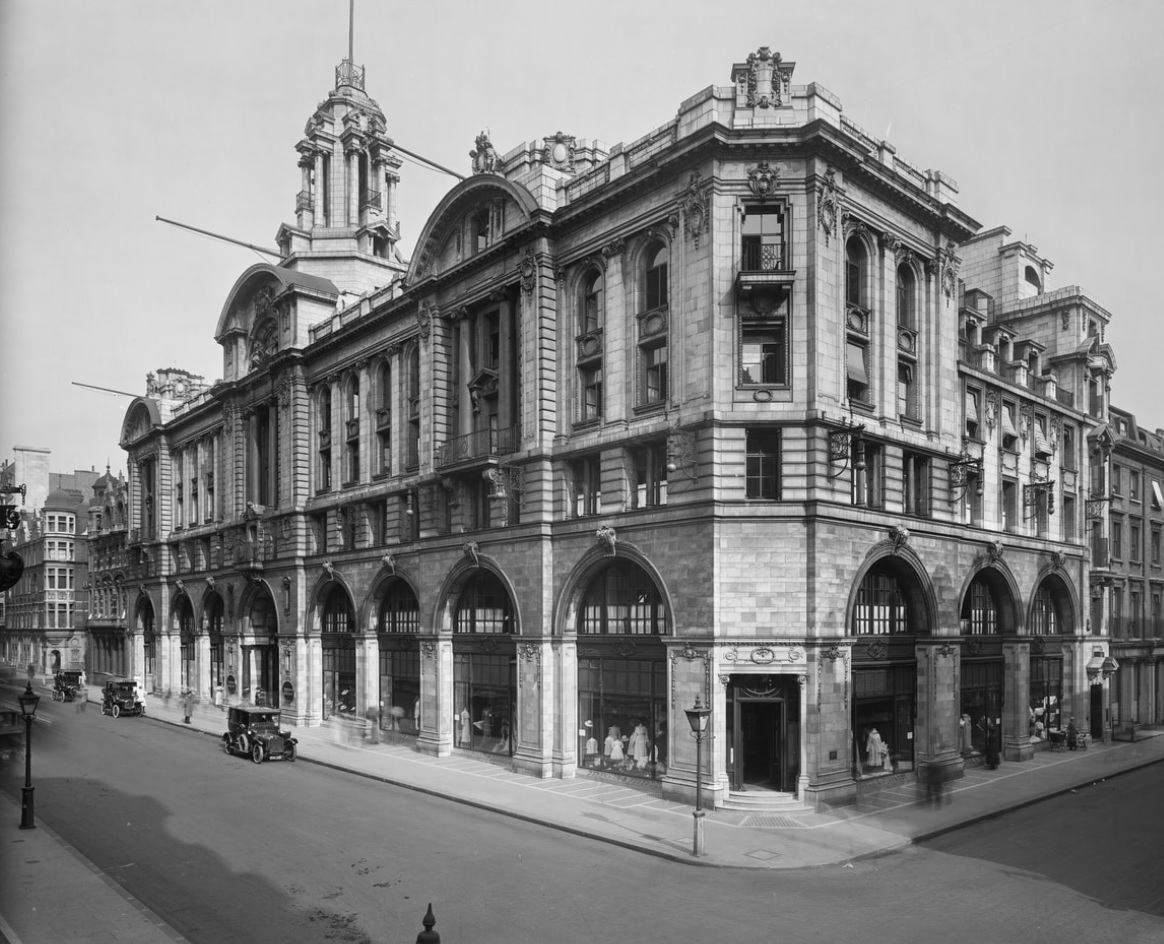
As previous blog post have indicated – see our post on a sales catalogue produced by the furniture retailer Hampton & Sons (see April 2021) and the earlier Guest Blog Post by our friend Chris Coles on antiques and department stores (see November 2014) – from the early 1900s department stores were key locations for the sales of antiques. Debenham & Freebody for example opened their department store in Wigmore Street, London in about 1909 and had an antiques department in the store right from the start. Their antiques department seemed to have been a great success and they moved the department to a dedicated and larger section in their Welbeck Street store in 1923.
The rare Debenham & Freebody sales catalogue is a significant addition to the antique dealer archives, and will be joining the other antique dealer archives at the Brotherton Library Special Collections at the University of Leeds in due course.
Mark
















 antiquedealersblog