March 8, 2016

In the Footsteps of Roger Warner

As some of the followers to the project blog will know, part of the growing legacy of the AHRC Antique Dealer project has been the donation of several highly significant antique dealer archives to the Brotherton Library Special Collections at the University of Leeds. The archive of the well-known antique dealer Roger Warner (1913-2008) is part of this growing corpus of antique dealer material coming to Leeds – all part of a broader research initiative focused on the histories of the art and antique markets, and under the auspices of our new Centre for the Study of the Art & Antiques Market. We have exciting plans for research activities based in the new Centre in the coming months and years so do keep an eye on the Centre!

Anyway, Roger Warner – I was in Burford to oversee the collection of the first part of the Roger Warner archive – which in an extraordinarily generous act has been donated to the University of Leeds by Roger’s family, Sue Ashton, Deborah Warner and Simon Warner – we cannot thank Sue, Deborah, Simon, and Sue’s husband, Hugo, enough for their generosity and for their enthusiastic support to this ever expanding project on the history of the antique trade.

Roger Warner ran his antique shop for almost 50 years, from 1936 to 1985, and was, as many of you will know, an iconic antique dealer (perhaps one of the most emblematic antiques dealers of the 20th century) – indeed, his autobiography ‘Roger Warner, Memoirs of a Twentieth Century Antique Dealer‘ was published by the Regional Furniture Society in 2003.

The archive will be an absolutely amazing resource and, once we have it all conserved and catalogued, will be available for future researchers, scholars and those interested in this highly significant part of social and cultural life.  The Warner archive is a fascinating and exceptionally detailed history of an antique dealer;  Warner was certainly an antiquary by inclination, recording minute details of the everyday business of a dealer – he even kept a record of the footfall in his shop each year!….His ‘Annual Review and Policy Reports’ produced every year, continuously from 1951-1985, (together with two earlier annual reviews for 1947 and 1949), are fascinating personal reflections on the previous year’s trading, with commentaries on the changing markets conditions, details of auctions visited, observations on other dealers, information on significant objects bought & sold, and summaries of business accounts – they will be a key resource for anyone studying the history of the antique trade in the 20th century.

To give you a flavour of the richness of the archive, and to draw attention to its potential significance, I’ve traced just one object in the archive from its acquisition by Warner to its eventual new home at Temple Newsam House, in Leeds. The object in question is the now famous Four-poster painted bed, made to commemorate the marriage of Francis and Anne Hall, 1724.

painted bed TN

Four-poster painted bed, 1724. Temple Newsam House, Leeds. Image by kind permission of Leeds Museums & Galleries. Copyright Leeds Museums & Galleries.

The bed was acquired by Temple Newsam House (Leeds Museums & Galleries) in 1979, following a grant from the Art Fund of £2,500, for £13,000 from the London antique dealers Jellinek & Sampson, then trading in Knightsbridge.  The Warner archive records that had he sold the bed to Jellinek & Sampson on 4th November 1978 for £2,500.

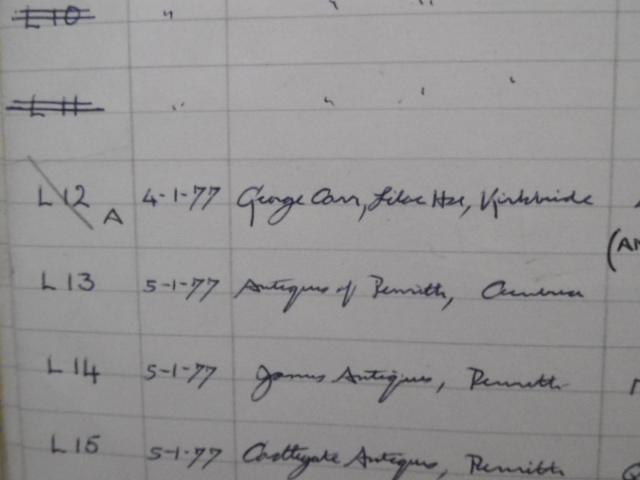
The Warner archive also records the acquisition of the bed in the stock book for 1977-78 on 4th January 1977, from ‘George Carr, Lilac Hse, Kirkbride’ (Cumbria), for the sum of £850 (see image). Warner also notes, in his annual review for 1978, ‘purchase and removal early in the new year Of painted oak Tester Bed from Kirkbride, Cumbria, the bed never having been moved since its erection in room in 1724.’ (see image).

RW stock book 1978

Roger Warner Archive. Stockbook 1977-78. The Brotherton Library Special Collections, University of Leeds, currently uncatalogued. Photograph AHRC Antique Dealers project. Copyright University of Leeds 2016.

RW review

Roger Warner Archive. ‘Annual Review 1978’. The Brotherton Library Special Collections University of Leeds, currently uncatalogued item. Photograph AHRC Antique Dealers Project. Copyright University of Leeds 2016.

These fascinating insights into the provenance of just one of the 70,500 objects that Roger Warner sold illustrate the rich potential of antique dealer archives, not just for provenance research, but also for the insights that they can reveal about the social and cultural practices of the, still as yet, unexplored history of the antique trade.

But whilst I was in Burford collecting the Warner archive I also had an opportunity to ‘walk in the footsteps’ of this extraordinary dealer – thanks to Sue Ashton, Roger’s daughter, and to Nicky, who with her partner Tim now owns Roger Warner’s shop, I was taken on a journey through the spaces of Roger’s old shop.

rw shop burford

Roger Warner antique shop, High Street, Burford. Warner traded here from 1936 until his retirement in 1985.

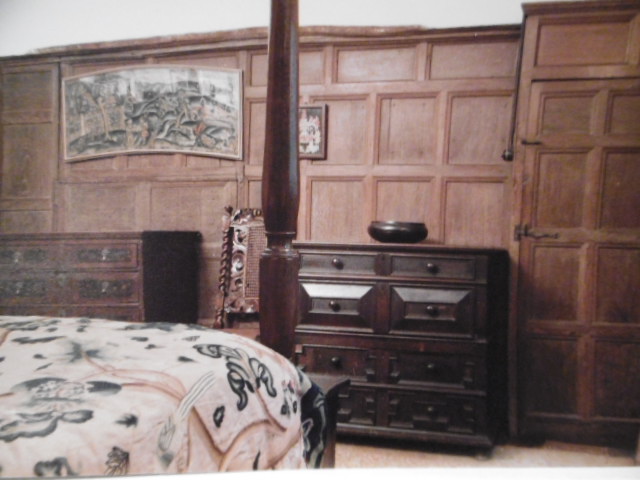
It was fascinating and illuminating to hear Sue reminisce about the activities that took place in the various rooms – the shop had been, after all, Sue’s home for much of her life. The interior spaces had changed over the years of course, but not substantially, and Sue recalled many happy memories of her father in the shop and home. I got a sense of how Warner had used the spaces of the shop through Sue’s recollections….and also got a sense of how he had furnished the private spaces of the house/shop through some of the photographs in the Warner archive – here is Roger’s bedroom, as it was in the 1980s.

rw bedroom

Roger Warner’s bedroom, High Street, Burford, undated photograph, but early c.1980s. Roger Warner archive, The Brotherton Library, University of Leeds, currently uncatalogued item. Photograph AHRC Antique Dealer project. Copyright University of Leeds 2016.

The tour of the shop was an extraordinary personal experience, and will be invaluable in navigating the richness of the Warner archive now at the University. Thank you Sue, and Nicky, for taking the time to walk in the footsteps of Roger Warner.

Oh and for those that never met Roger – and I regret I never did – we have, thanks to the Web, some recordings of Roger Warner from the TV show ‘Going for a Song’ – this was an early precursor to the hugely popular (and still going) Antiques Roadshow. Anyway, here is Roger Warner in a 1971 episode of ‘Going for a Song’ (with that other former doyen of the world of antiques, Arthur Negus).

Enjoy!

http://www.youtube.com/watch?v=yblWjTU7Vek

http://www.youtube.com/watch?v=xn5GAmLoWdo

Mark


March 6, 2016

New Oral History Interview – Stockspring Antiques

Our latest Oral History Interview was with Felicity Marno and Antonia Agnew from Stockspring Antiques, in Kensington Church Street, London. Stockspring Antiques will be very familiar to ceramics collectors and dealers and have been in Kensington Church Street since 1987.

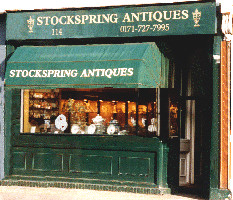
stockspring bada

Stockspring Antiques, London. Image copyright BADA.org.

In an absolutely fascinating and engaging interview, Felicity and Antonia told us about how they started in the antique trade in the early 1980s; they both began with stalls/stands at well-known antique trade locations – Felicity at Grays Antique Centre, London, and Antonia began her dealing from a stall at Portobello Road market, before going into partnership in 1987 as Stockspring Antiques.  As antique ceramics dealers they have 36 years of trading experience and our interview captured much of this rich history.

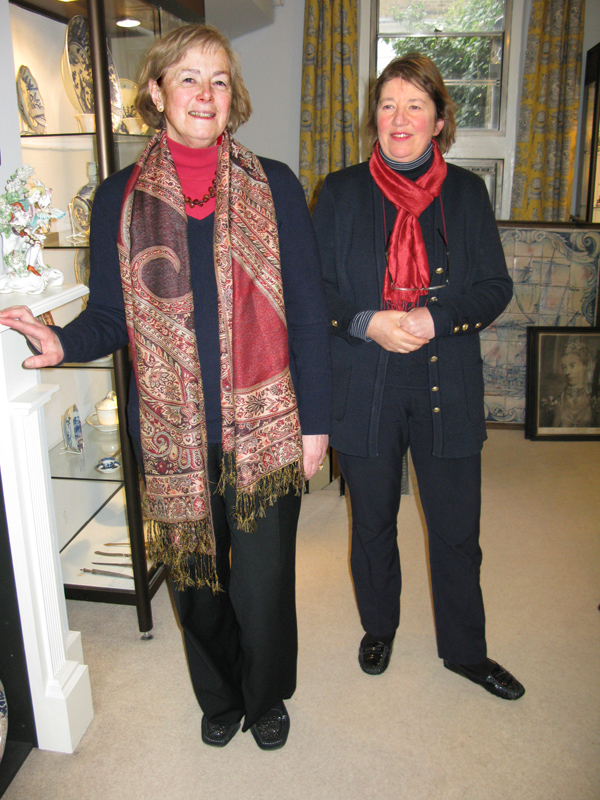
Here’s Felicity (on the left) with Antonia (right) in their shop in Kensington.

Stockspring

Felicity Marno and Antonia Agnew, Stockspring Antiques. Image courtesy of Stockspring Antiques. Copyright Stockspring Antiques 2015.

During the interview Felicity & Antonia told us about the serendipitous nature of the naming of the business as ‘Stockspring’ – a legacy of the name of the previous business at their address in Kensington Church Street – and, as Felicity mischievously suggested, also a result of her frugal Scottish ancestry – and so ‘Stockspring’ was born.

Amongst some of their other fascinating reflections of the changing landscape of the antique trade in more recent times was the rapid change in the American Decorator market around the year 2000. This market, as many of you will know, expanded enormously during the late 1970s and into the 1980s – Felicity told us a story of a group of American dealers from Atlanta, Georgia, chartering a Jumbo jet to come to Britian in the 1980s, and filling it with stock! – but by the late 1990s the American decorator market had shifted to the more minimalist and ‘contemporary’ look that still has effects on the ‘traditional’ antique market to this day.

We also heard about the development of Kensington Church Street as a key location for the antique ceramic trade – so much so that, as Antonia told us, the street became known as ‘Crock Alley’.  Indeed, many of the famous names in the antique ceramic trade were located in the Street; Graham & Oxley, Hoff Antiques, Jean Sewell, Klaber & Klaber, Jonathan Horne…..

As with all our Oral History Interviews, once we have got around to editing the interview with Felicity & Antonia it will be uploaded to the project websites for everyone to enjoy.

Mark


February 28, 2016

Conference On-Line Booking Open

You can now book online for the Antique Dealer Project Conference – click HERE for secure debit/credit card bookings via the University of Leeds.

February 22, 2016

Full Programme for Project Conference

Antique Dealer Project Conference

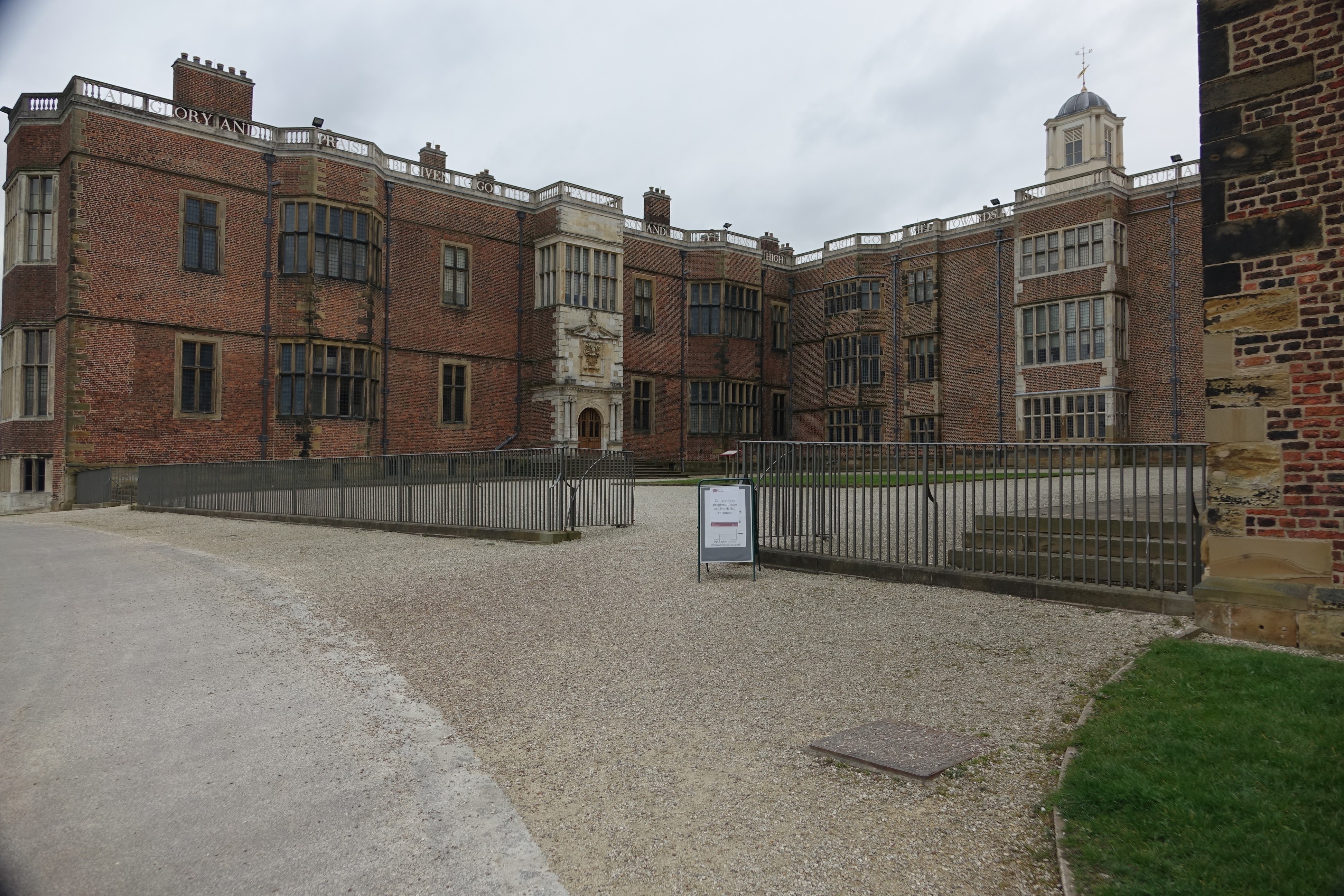
Temple Newsam House, Leeds

Thursday 14th & Friday 15th April 2016

Programme

THURSDAY 14th April – Temple Newsam House

9.30am – Registration (Great Hall)

10.00am – Welcome (Project Team) (Picture Gallery)

10.10am – Welcome (John Roles, Head of Museums & Galleries, Leeds)

10.20am – Address (Mark Bridge, Antiques Trade Gazette) 35 Years at the ATG

10.50am – KEYNOTE – Dr Mark Westgarth (University of Leeds) Principal Investigator, The British Antiques Trade in the 20th Century – a cultural geography            

11.40am – Dr Eleanor Quince (University of Southampton) Co-Investigator Voices from the Trade: Oral History Interviews

12.15pm – tea/ coffee & biscuits

12.45pm – Elizabeth Jamieson (University of Leeds) Research Fellow Crowther & Sons: investigating an archive

1.15pm – Discussion

1.30pm – LUNCH (Great Hall)

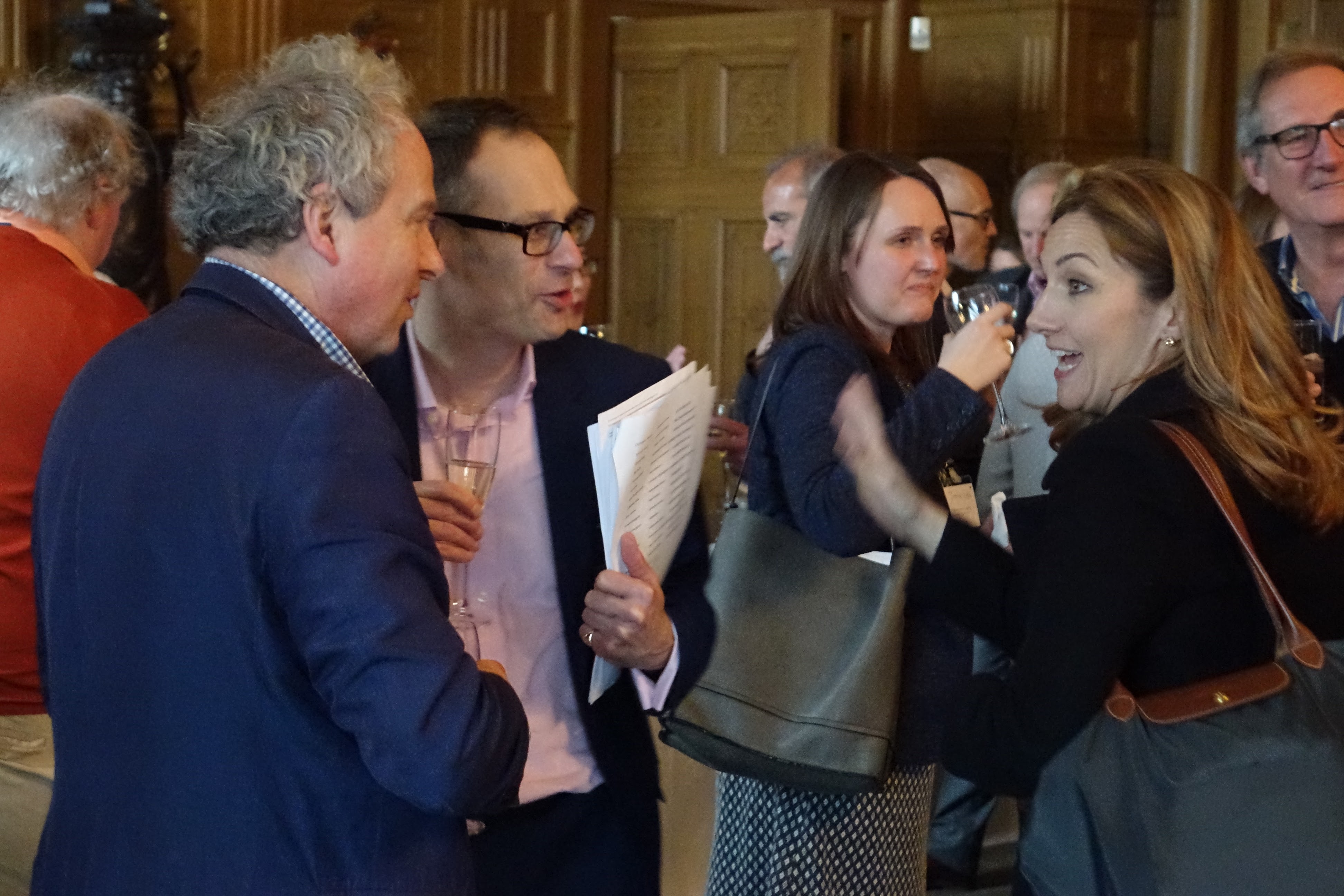
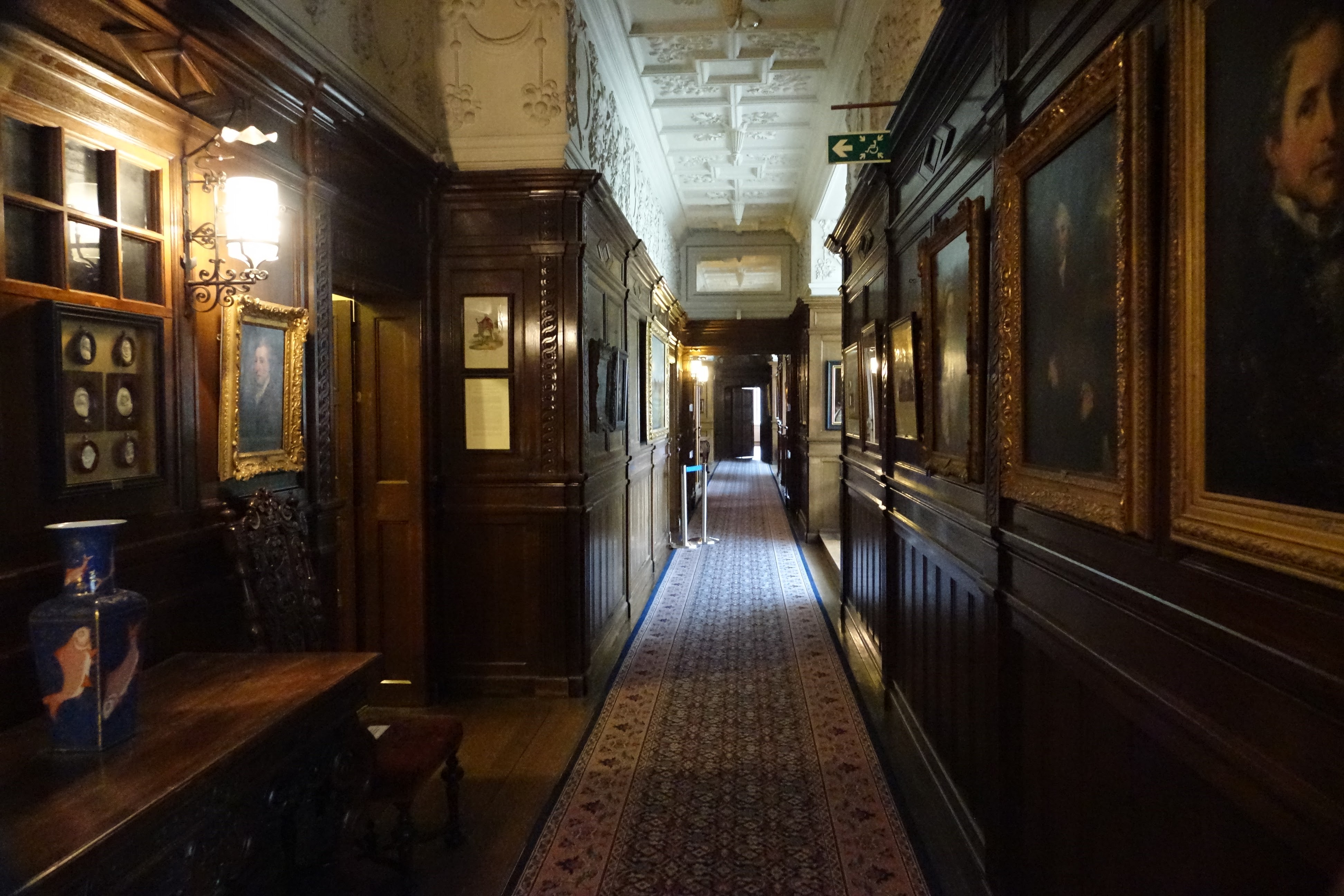
2.30pm – Antique Dealers and Temple Newsam HIDDEN HISTORIES Tours led by Curators, Members of the Project Team, and      Dealer Specialists

4.00pm – Tea/Coffee break

4.30pm – Behind the Scenes Sessions – (1) Antique Dealer ARCHIVES (2) Antique Dealer OBJECTS

Archives & Objects sessions led by Curators, Members of the Project Team and Dealer Specialists

6.00pm – RECEPTION – champagne/wine/canapés (Great Hall and Terrace)

6.15pm – Speeches (Great Hall) – Marco Forgione (Chief Executive, British Antique Dealers’ Association)

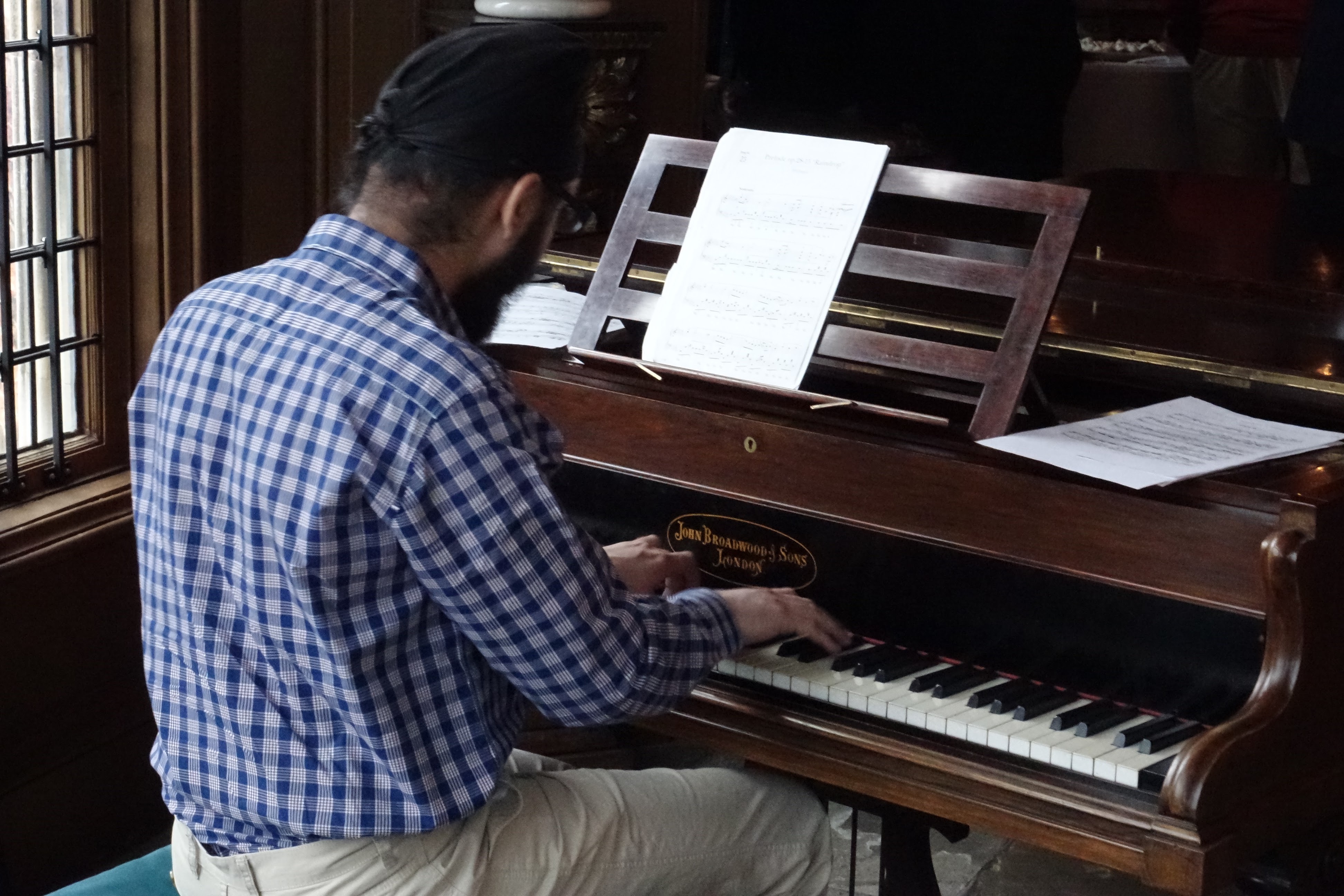
6.30pm – Open House (free flow) with background music (Historic Broadwood Piano) in the Great Hall

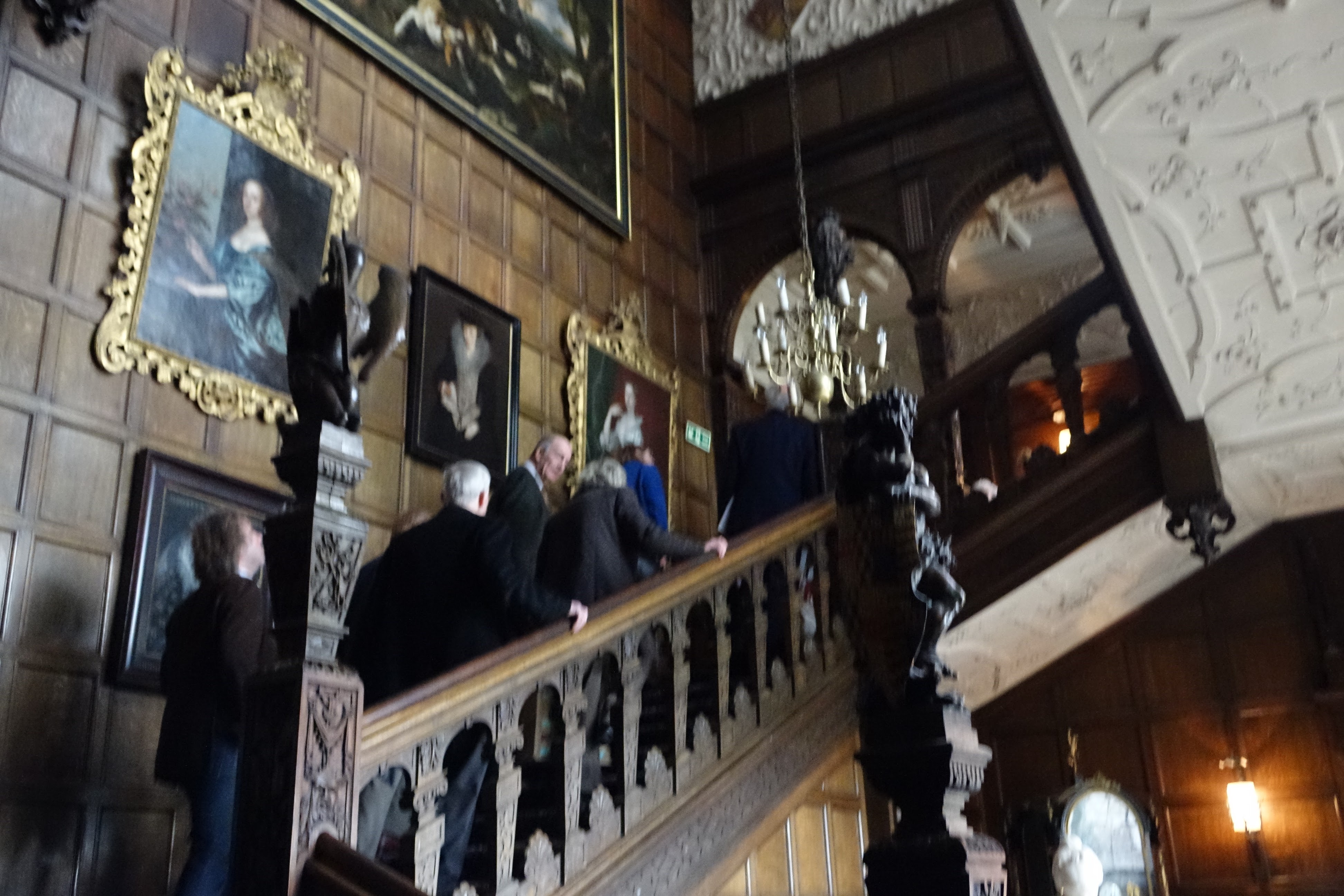
7.00pm & 7.30pm – Playing of the 18th century George Pyke Musical Organ Clock in the Staircase Hall.

8.00pm – ‘Carriages’ – end of first day.


FRIDAY 15th April – Temple Newsam House

9.30am – Registration (Great Hall)

10.00am – Welcome (Project Team) (Picture Gallery)

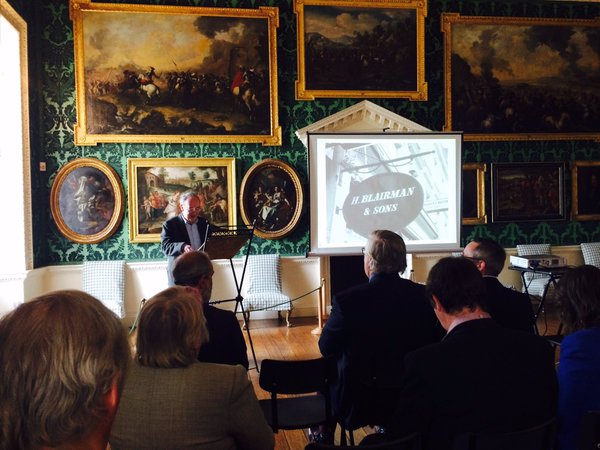
10.10am – Martin Levy (H. Blairman & Sons) H. Blairman & Sons

10.30am – Dominic Jellinek (formerly Bluett & Sons) Bluett & Sons

10.50am – Christian Jussel (formerly Verney & Jussel) The Transatlantic Migration of British Antique

                 Dealers to America 1890-1920

11.10am – tea/coffee biscuits

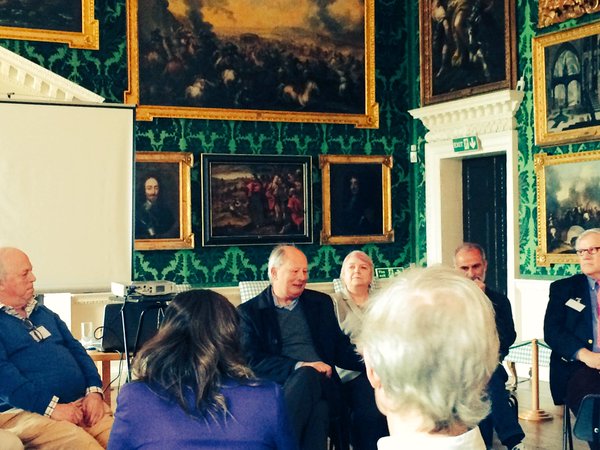
11.30am – In Conversation – A selection of our Antique Dealer Oral History Interviewees in conversation.

12.30pm – LUNCH (Great Hall)

1.30pm – Facilitated Discussion Group Session (1) ‘So what, exactly, is an ‘antique?’’ (Dining Room)

Facilitated Discussion Group Session (2) ‘The end of antique furniture?’ (Georgian Library)

2.30pm – Tea/Coffee (Great Hall)

2.45pm – Facilitated Discussion Group Session (3) ‘For the love of art, or money?…the Antique Trade and Museums’ (Dining Room)

Facilitated Discussion Group Session (4) ‘A profession or a pastime?…the social geography of antique dealing’ (Georgian Library)

3.45pm – Discussion Groups Feedback & Closing Remarks (Picture Gallery)

4.30pm – CLOSE


Costs:

Full Two Days (inc all lunches/canapé reception/refreshments/tours/etc) – £95 per person

Thursday Day Rate (inc lunch/canapé reception/tours/etc) – £65 per person

Friday Day Rate (inc lunch/etc) – £55 per person

Student Rates – (two days, inc.) £55 per student; (one day, inc.) £30 per student

Conference Bookings via Leeds University Booking System;

CLICK HERE TO BOOK ONLINE

or send Cheques made payable to ‘University of Leeds’ to:

Antique Dealer Project Conference

School of Fine Art, History of Art & Cultural Studies

University of Leeds

LEEDS

LS2 9JT

email antiquedealers@leeds.ac.uk


February 15, 2016

Project Conference Programme Announced

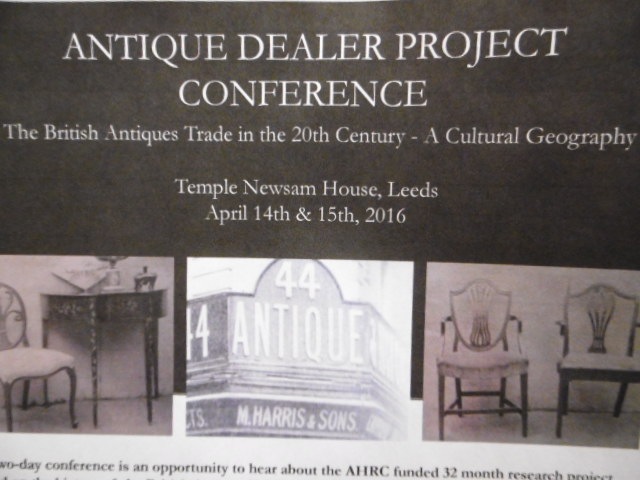
The project conference, to be held on Thursday 14th & Friday 15th April at Temple Newsam House, Leeds, has now been finalised. The two day conference is an opportunity to hear about this AHRC funded 32 month research project focused on the history of the British Antique Trade in the 20th century.

project poster

The conference programme includes a selection of academic papers from the project team, together talks from well-known figures from the world of antiques, and high-profile antique dealers. There is also an ‘In Conversation’ session, with a selection of the oral history interviewees involved in the research project, as well as some facilitated discussion group sessions based around issues in the history of the antique trade.

Alongside these academic papers, talks and discussion groups there are also expert-led guided tours around our venue, Temple Newsam House, together with specialist sessions on antique dealer archives and museum object sessions as part of behind-the-scenes tours.

The conference fees include all sessions, tours etc and lunch on both days, together with an evening wine reception with music accompaniment from the historical musical instruments at Temple Newsam House.

The conference is both an opportunity for dissemination of the preliminary results of the research project, and celebrate and thank the many participants in the project.

We do hope you can join us for what we hope will prove to be a fascinating and lively two-day event.

Here is a Poster, with details of the programme and booking form. We very much look forward to welcoming you to Leeds.

Antique%20Dealer%20Project%20Conference%20Flyer-3

January 25, 2016

New Oral History Interview – Andrew Jenkins

January has been a little bit quiet on the blogging front – I’ve been away on holiday to the USA, but back on the case now. Before I went away we continued with the oral history interviews – and our latest subject was Andrew Jenkins, of Avon Antiques.

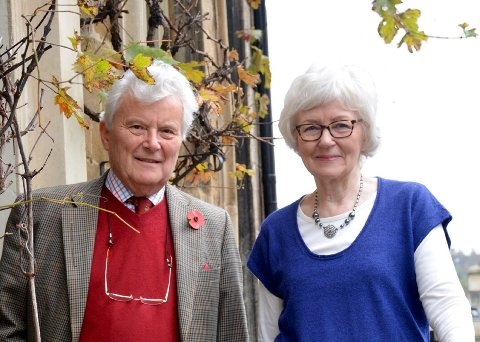
Andrew established Avon Antiques in 1963, and remained in the same premises at Market Street, Bradford-on-Avon until his recent (semi-) retirement – I don’t think antique dealers actually retire! Here is Andrew, with his wife Vibeke, in a recent photograph.

andrew and Vibeke Jenkins

Andrew & Vibeke Jenkins, of Avon Antiques. Photograph courtesy of Andrew Jenkins, 2015.

In this fascinating interview Andrew told us about his beginnings in the antique trade, working for the well-known antique dealer David Tron, in King’s Road, London, before setting up his business, with the help of a small loan from his father, in Bradford-on-Avon in 1963.  Andrew also told us about the changes in fashion for antiques in the 1960s, 70s and 80s, as well the development of his business, and his dealings in the mid 1960s with the San Francisco antique dealer Chuck Williams  – who soon after turned his business skills to establish the American multi-store home and interior decoration stores, Williams-Sonoma.  The interview also includes Andrew’s reflections on his activities at various antique fairs – Andrew, for example, played a major role in the establishment of the West of England Antiques Fair in 1976.

As with all of our other oral history interviews, our interview with Andrew will be made available via the project websites in the very near future.

Mark

December 30, 2015

Early 20th century women antique dealers

I recently came across a fascinating little article published in The Sketch on the female antique dealer Clara Millard – The Sketch, in case you were not aware, was a British weekly illustrated newspaper which focused on high society and the aristocracy (it ran from 1893 until 1959).  The article, written by a journalist/writer named only as ‘F.E.A.’, was published on March 14th 1894 and focused on an interview with Clara Millard – here is Miss Millard aged about 25, in a photograph published in the article (see below):

Clara Millard 1894 The Sketch

Miss Clara Millard, c.1894. Photograph by Jones & Co., Surbiton. Image from ‘The Sketch’, March 14th 1894, p.348.

Clara Millard, as far as we know at present, traded from the 1890s until the 1920s, first at Vicarage Road, Teddington, and later at Milford-on-Sea, Hampshire; she was also an early member of the British Antique Dealers’ Association (certainly a member by 1920) – see also our interactive project website map for information on Clara Millard – www.antiquetrade.leeds.ac.uk

The article was entitled ‘A Curio Collector, a visit to Miss Clara Millard’ and gives us an insight into the social demographic of women curiosity/antique dealers in the period (it is evident, for example, that Clara was from a well-to-do family), and the kinds of objects that circulated in the trade in the late 19th and early 20th century.  Millard mentions a few objects that she had sold in her shop in Teddington, including ‘a set of seven spa diamond buttons worn by Garrick at the Stratford Jubilee’ – The Shakespeare Jubilee took place in September 1769, and was organised, and partly financed, by the actor-manager David Garrick (1717-1779).

She also mentioned that she also sold the library table used by Napoleon when in exile at Longwood House, St. Helena. The effects of Longwood House were sold in 1822 and there were several library tables in that sale – for an exemplary description and analysis of Napoleon’s furniture at Longwood House see Martin Levy, Napoleoon in Exile, the houses and furniture supplied by the British Government for the Emperor and his Entourage on St. Helena (Furniture History Society, 1998). Perhaps the library table that passed through Clara Millard’s stock was the famous table that was also subsequently sold at the auction sale of the library and effects of John Copling in 1867, who seems to have acquired a number of Napoleonic relics.  The table in question was described in 1867 as ‘A 6ft LIBRARY TABLE of mahogany and yew, banded with ebony…..constantly used by Napoleon himself in his cabinet’ (see Levy, p.66) – this table certainly appears to have been the most famous of the library tables dispersed at Longwood House in 1822. One wonders how Millard obtained the table, and to whom she sold it?

Besides these interesting details on the objects that Millard sold, the interview also provides a fascinating insight into the social networks of Millard, and how she came to become a dealer. The interviewer ‘F.E.A.’ asked her ‘What made you become a dealer in curios?’ – and she gave a comprehensive response, stating;

‘ When I was sixteen I had to decide upon some way of earning my own living….I had always lived with people who liked nice things, and I understood a little about curios, so I started a sale of china and curiosities.  I prepared a catalogue, and sent it round to collectors and wealthy people. The catalogue was a happy thought; it attracted notice and the whole transaction was so successful that I went on as I had begun. I must not forget to tell you that I owe a great deal to the kind help and teaching given to me by Lady Charlotte Schreiber, Lady Currie and Baron Rothschild.  Thanks to them, I made fewer mistakes that I should otherwise have done. Then, I have had a larger share of good luck than falls to the lot of most people’ (The Sketch, p.348).

Millard’s connections to Lady Charlotte Schreiber (1812-1895), daughter of the 9th Earl of Lindsey, and a major collector of ceramics, as well as to Baron Rothschild (1840-1915) and Lady Currie (1843-1905), is indicative of the intimate relationships between dealing and collecting, and of the significance of social and cultural networks in the history of the antique trade.

It’s also worth mentioning that Clara Millard was also well known, in the 1890s, as an antiquarian book dealer – which also draws further attention to the overlapping practices that constitute the ‘antique trade’ (see earlier blog posts on these notions).

Mark

December 23, 2015

And even more on Quinneys

I’ve been undertaking some further research on the play ‘Quinneys’  – as readers of the project blog now know, I hope – it’s the fictional story of the life of an antique dealer, Joe Quinney, composed as a play by Horace Annesley Vachell in 1915, based on Vachell’s novel of the same name of 1914 – see previous blog posts on ‘Quinney’ and on Thomas Rohan. In a recent post I posted about the playbill for Quinneys, at the Theatre Royal, Haymarket, which was staged in 1915 (see blog entry for December 2015), and drew attention to the fact that the London antique trade had supplied much of the antique furniture and etc for the stage-set.

I recently found another playbill for Quinneys, this time from 1925, for a staging of the play at the New Theatre, St. Martin’s Lane, London.

Quinneys New Theatre 1925

Playbill, ‘Quinneys’, New Theatre, St. Martin’s Lane, London, 1925. Image, copyright Antique Dealers project 2015.

henry ainley

Henry Ainley as ‘Quinney’, c.1915.

As in the 1915 play, the lead (Joe Quinney) is still played by the Shakespearian actor Henry Ainley (looking much older, as one would expect, to his youthful self in the 1915 photograph – see above, and in our earlier blog post).

There are a few other photographs of Ainley as the character ‘Quinney’ in the 1925 playbill – here’s one with the aged Ainley suitably posed as the ‘connoisseur’ inspecting an antique cup –

Henry Ainley as Quinney 1925

Henry Ainley as ‘Quinney’, 1925; ‘Camera Portrait by Dorothy Wilding’. Image copyright Antique Dealer project 2015.

The 1925 playbill is a much more extensive document than the 1915 one (which was effectively just a single, folded, page), and amounts to 12 pages, mostly of advertisements. The adverts, as one might expect, included many of the leading antique dealers of the day; including the antique glass specialist Arthur Churchill (then in Dover Street); Joe Sale, of Kensington Church Street; John Sparks; Dreyfous of Mount Street; Frank Partridge; Charles J. Pratt; M. Harris & Sons; Hotspur Ltd; Stoner & Evans, the ceramics specialists, as well as lesser know dealers such as C. Rose, Edith Lee, C. Griffiths, Mrs. Mellor, and H. Fisher.

And, just as the 1915 play had antique furniture and objects loaned by dealers, (in 1915 it was Keeble, Parkenthorpe and Spillmans), in 1925 the antique furniture for the stage-set was supplied by leading antique furniture dealers Moss Harris & Sons, New Oxford Street.

If anyone knows anything else about the staging of the play ‘Quinneys’ we would be very interested to hear!

Mark..

Oh and Merry Christmas to all our readers of the project blog!

December 12, 2015

New Oral History Interview – Simon Spero

Our lead volunteer, Chris Coles, interviewed the antique ceramics specialist dealer Simon Spero in London the other week – thank you both to Simon and to Chris for taking the time to do the interview!

Simon-Spero-shop 2

Simon Spero’s shop, London, c.2010. Image, wikicommons.

Here’s Simon’s shop in London (above) – the interview gives us a fascinating insight into the world of the specialist dealer.  During the interview Simon told us that he’s always been a collector, from his earliest age, and his dealing activities are clearly networked into personal conversations with collectors – he eschews the internet, for example.  Many of you will also know Simon as an author, and his published books on 18th century English ceramic factories are regarded as key reference works for collectors.

The interview includes Simon’s reflections on his first shop (in Kentish Town, London) and his recollections on influential dealers in ceramics such as Reg Andrade in Plymouth, and Robert Williams from Winifred Williams (London), as well as some of the major ceramics collectors he has sold to over the years.  It’s an amazingly detailed account of the world of the ceramic specialist dealer-scholar-collector and will be of considerable interest to those interested in the history of the antiques trade.

And, like all of the other interviews we are undertaking as part of the Antique Dealers research project, a version of the interview will be available via the project websites in the coming months.

Mark


December 2, 2015

More Student Volunteers

Four more of our undergraduate students, studying on the Art Market module, have signed up as volunteers to add data to the interactive map website – great news, as the map website is now picking up speed on the number of dealer entries etc!

Here are our new volunteers, Angharad-Lambourne-Wade, Lydia Haines, Miranda Carins and Oliver Getley, all in my office at the University of Leeds after an intensive induction session on how to add data to the website – it’s actually a bit easier than one thinks, after getting used to the sequences of data input!

oliver g etc

Angharad, Lydia, Miranda and Oliver – new student volunteers on the Antique Dealer research project.

Thank you again to all our volunteers on the Antique Dealer research project – all the help you offer is invaluable to the project!

Mark

Home Subjects

a working group dedicated to the display of art in the private interior, c. 1715-1914

The Period Room: Museum, Material, Experience

An International Conference hosted by The Bowes Museum and The University of Leeds

H. Blairman & Sons Ltd

A research project investigating the history of the antiques trade in Britain in the 19th & 20th centuries

Museum Studies Now?

'Museum Studies Now?' is an event which aims to discuss and debate museum and heritage studies education provision.

The Burlington Magazine Index Blog

art writing * art works * art market

East India Company at Home, 1757-1857

A research project investigating the history of the antiques trade in Britain in the 19th & 20th centuries