Posts tagged ‘The V&A’

November 29, 2025

J. Rochelle Thomas – The Georgian Galleries, London (and New York)

Our friend Chris Coles very kindly sent me a photograph of the antique dealer J. Rochelle Thomas (thank you Chris!), and as it’s quite unusual to have photos of historical antique dealers I thought I’d make a blog post about Rochelle Thomas – as you’ll see, he was a very important dealer, but appears (like most of the important dealers of the past) to have been lost to history! Anyway, here’s the photo from Chris:
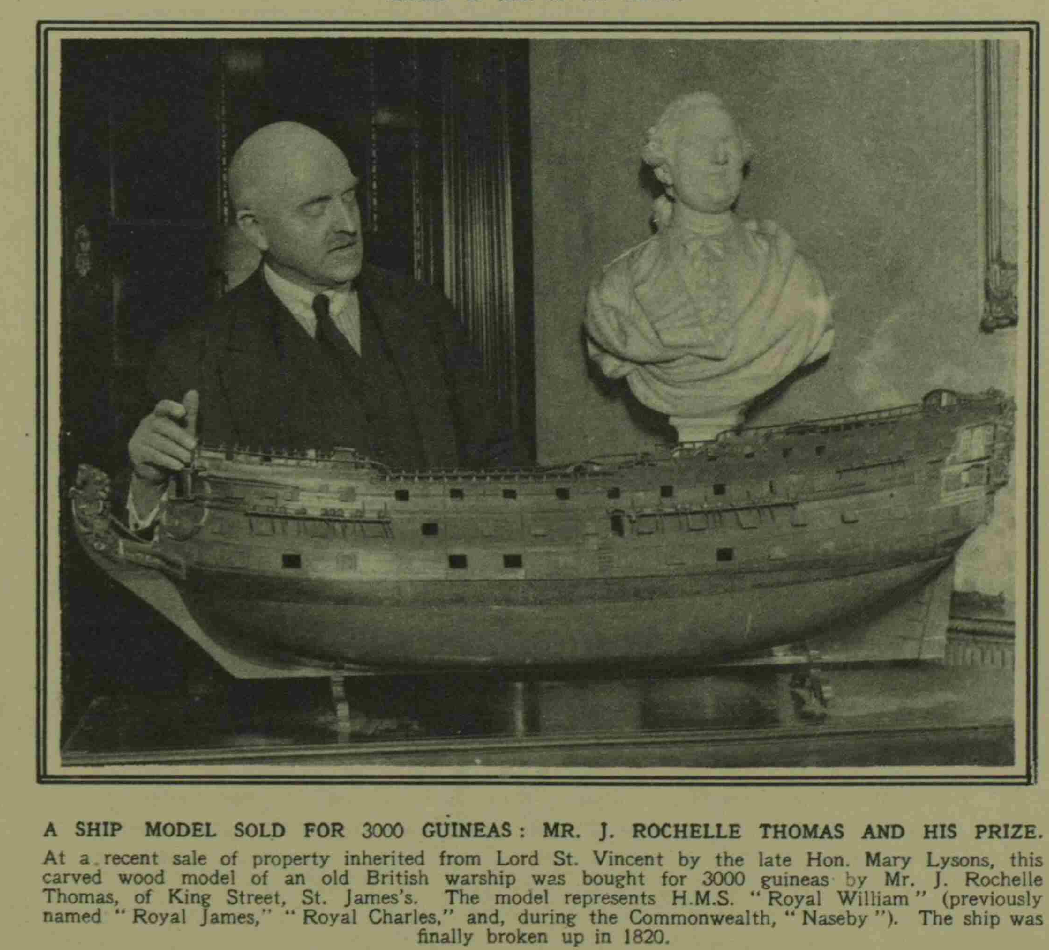
J. Rochelle Thomas with a model ship, from Illustrated London News, April 21st 1928, p.675. Kind thanks to Chris Coles.

The photograph shows Joseph Rochelle Thomas (1865-1938) with a wooden model of the warship ‘Royal William’ (1719) scale 1.48, and made in 1719. As the report states, Rochelle Thomas bought the ship model (I guess in 1928) for 3,000 guineas (£3,150), an enormous sum (hence the newspaper report), which would have been as much as £1.3m at the time – in relative income value – see measuring worth.com The model is now in the National Maritime Museum at Greenwich (not on display); it seems to have been acquired by the museum through the antique dealer J.M. Botibol, who had a well known antique shop in Hanway Street in London in the period. Chris tells me that the ship was advertised as ‘seen by appointment at Mr. Botibol’s shop’. It may be that Rochelle Thomas and Botibol bought the ship model in partnership with one another (this was, and still is, a common practice in the antique trade).
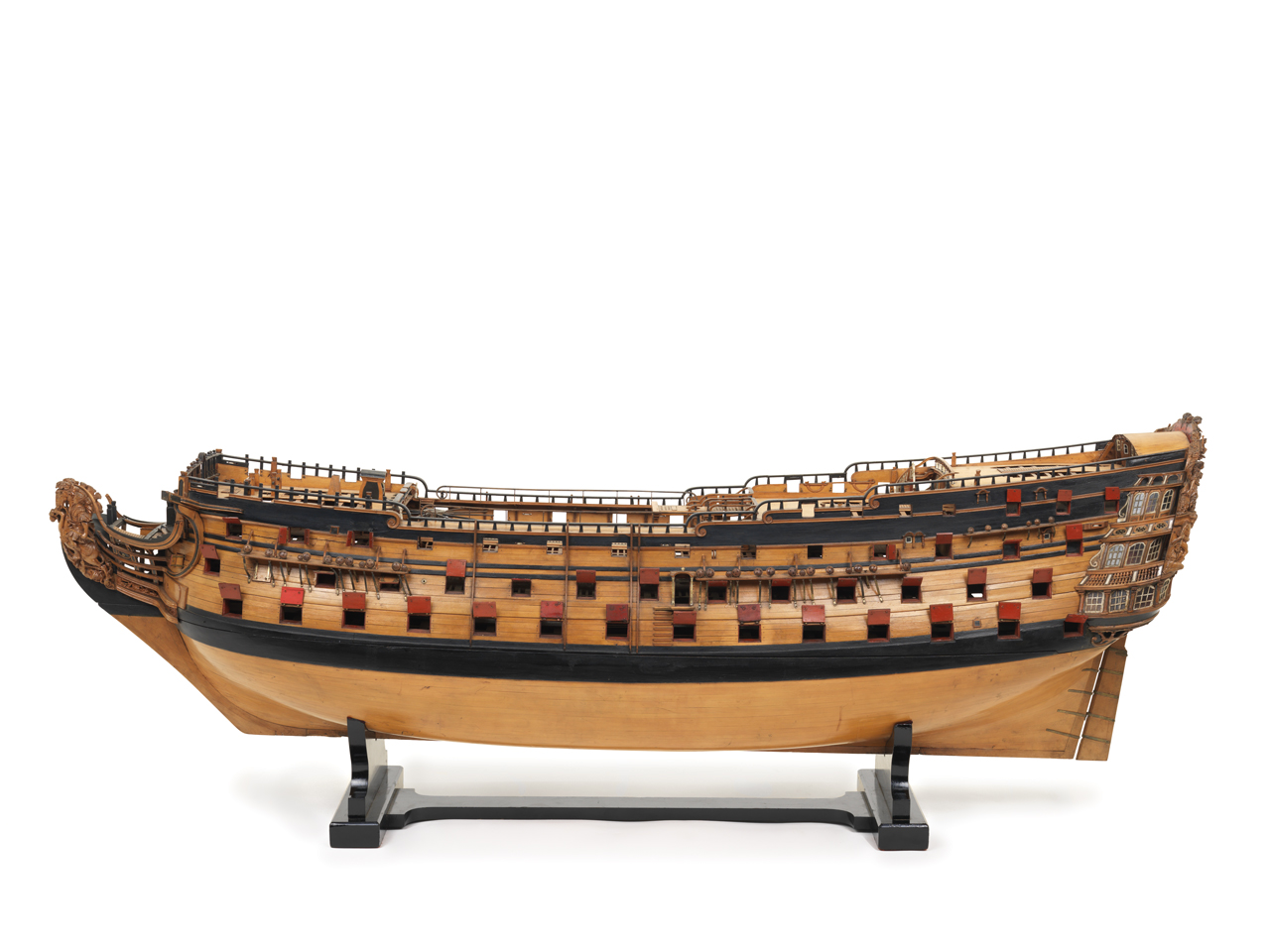
Royal William (1719) wooden ship model 1.48 scale. 440mm x 1365mm x 320mm. National Maritime Museum, Greenwich, London. Image National Maritime Museum, Greenwich.

J. Rochelle Thomas was a very well established antique dealer by the 1920s; the business would later expand to New York selling to many wealthy American collectors, including scores of English antiques to Henry Francis du Pont (1880-1969); du Pont’s collections of American antiques remain at Winterthur Museum in Delaware, USA. Indeed, here’s an image of J. Rochelle Thomas’ London shop from a letter sent to du Pont in 1931, which was right next door to Christie’s King Street auction rooms. The premises occupied by Rochelle Thomas are now part of Christie’s auction rooms.
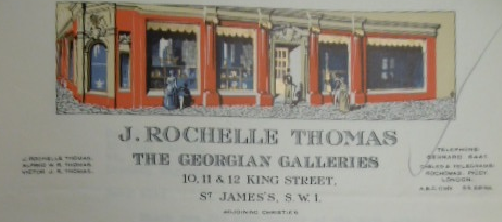
Letterhead, J. Rochelle Thomas, King Street, St. James’s, London, 1931. Photograph Antique Dealers Research Project, University of Leeds.

By this date (the 1930s), the J. Rochelle Thomas business was run by Joseph and his two sons Victor Joseph Rochelle Thomas (1887-1958) and Alfred William Rochelle Thomas (1886-1965). By the early 1950s Rochelle Thomas had opened a shop in New York, at 1166 Second Avenue – our friend Chris Jussel (formerly of Verney & Jussel, leading antique dealers in the USA) and a fount of knowledge about ‘old’ dealers, tells us that J. Rochelle Thomas’ shop in New York was run by Peter Thomas, (Joseph’s grandson), and that it occupied the former warehouse premises of Day, Meyer, Murray & Young; they had no shop window and so, as Chris says, it was an unusual move but the business continued to be a success given Rochelle Thomas’ reputation. Chris remembers visiting the Rochelle Thomas shop in the 1970s, when there were stacks of dinner services all over the floor. By the 1970s Rochelle Thomas opened a branch in Palm Beach, Florida, which, as Chris Jussel tells us, was run by Peter Thomas’ sons (Peter retired to Bermuda in the 1970s); the Palm Beach business traded into the 1980s but sadly Peter’s 2 grandsons died very young and the business closed in the 1980s – as Chris says, the end of a very important dealership. J. Rochelle Thomas sold many antiques to Francis du Pont (and many other American collectors) throughout the 20th century.

The Rochelle Thomas business began in 1859 (they celebrated a centenary year in 1959, according to some of their business letterheads) in Birmingham in the UK. It was started by Henry Thomas, who appears to have been born in about 1815 – the 1861 Census records Henry as aged 48 and working as an ‘ironmonger’ in Birmingham; by 1871 he was working as a ‘cutler’. His son, Joseph Rochelle Thomas (the man in the photograph) was born in 1865 and by the 1890s was described in the Census (1891) as ‘Dealer in Old Bank Notes’; by the 1911 Census Rochelle Thomas was describing himself as ‘Dealer in Pictures, Furniture and Porcelain’, and by 1921 he was ‘Dealer in Works of Art’. His sons, Victor and Alfred, both started working for their father’s antique dealing business from an early age and ran the business following Joseph Rochelle Thomas’ death in 1938. The business was also known as ‘The Georgian Galleries’. J. Rochelle Thomas was elected first President of the British Antique Dealers’ Association in 1918 as well as being a member of several international dealer associations (in Paris, Brussels and New York); so he was a highly respected dealer in the opening decades of the 20th century.

J. Rochelle Thomas appears to have been fascinated by objects that had interesting historical associations – in this sense he was certainly an antiquarian – and often advertised such objects in his sales advertising campaigns in magazines such as Apollo and The Connoisseur. One example (of many!) is an advert for a chair made from the famous (infamous!) mulberry tree wood from Shakespeare’s house in Stratford-on-Avon – if you’re interested in Shakespearian mulberry tree ‘relics’ do have a look at my essay on the subject (see – Mark Westgarth, ‘Well Authenticated Blocks’ in Shakespeare’s Afterlife in the Royal Collections edited by Sally Barnden, Gordon McMullan, Kate Retford and Kirsten Tambling, (Oxford University Press, 2025), pp.103-111)
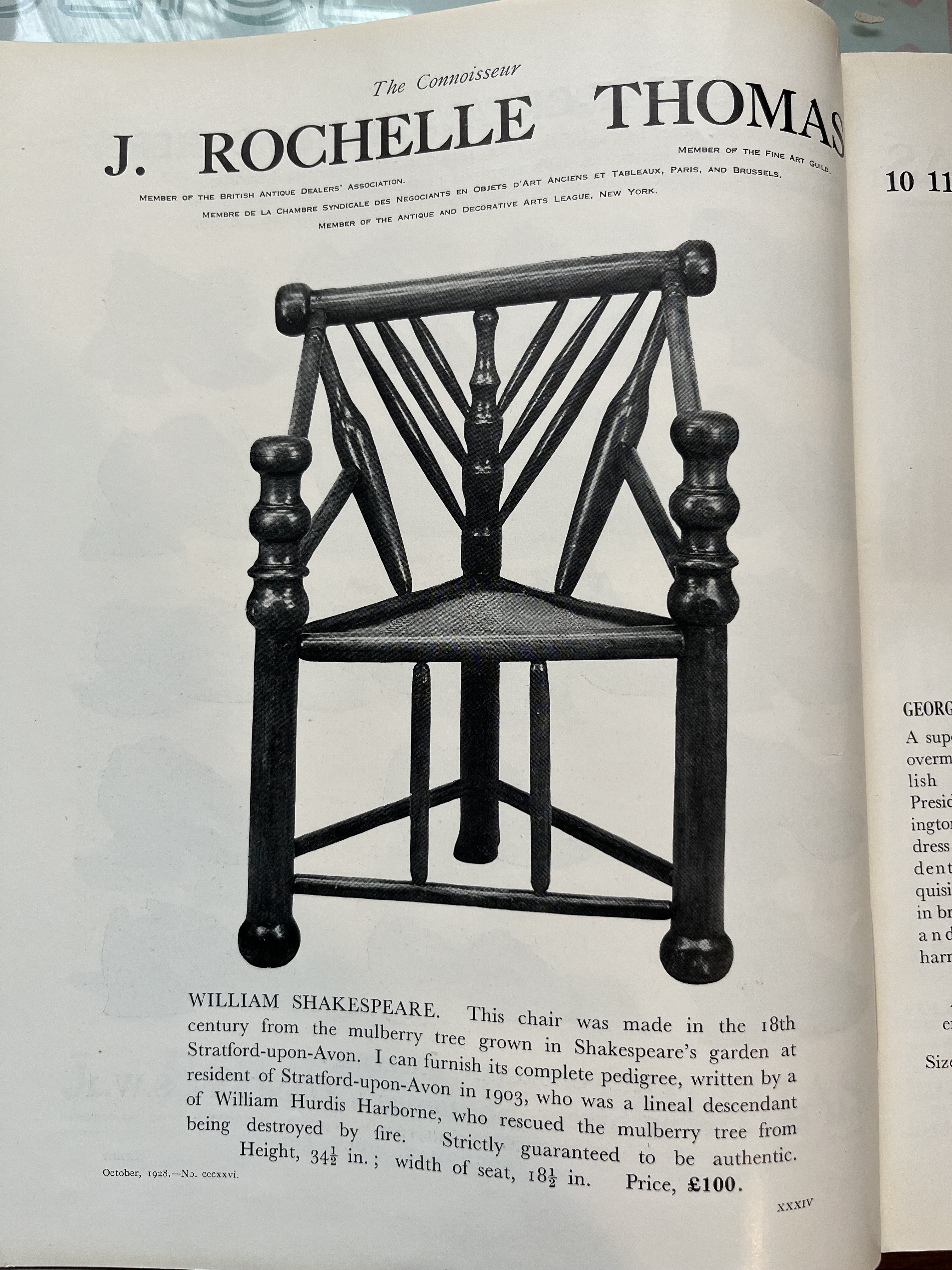
Advertisement for J. Rochelle Thomas, The Connoisseur October 1928. Photograph Antique Dealer Research Project, University of Leeds.

The advert in The Connoisseur October 1928 illustrates an 18th century triangular chair, allegedly made from the wood of the famous mulberry tree – it was priced at £100. Not sure where the chair is now, but if anyone recognises it, do let me know!

Coincidently a while ago I acquired an old sales catalogue produced by J. Rochelle Thomas in 1923 which also contains several items for sale with significant historical associations. The catalogue was issued to facilitate a ‘Clearance Sale’ that Rochelle Thomas undertook in 1923 as part of a refurbishment of his shop in King Street, St. James’s. As the catalogue states, ‘To my customers, as I am about to make extensive alterations to my premises I find it necessary to hold a Clearance Sale of the greater portion of my stock, and I am doing so at 50 per cent. in every case below the original marked prices in order to realise promptly.’ Here’s the cover of the catalogue:
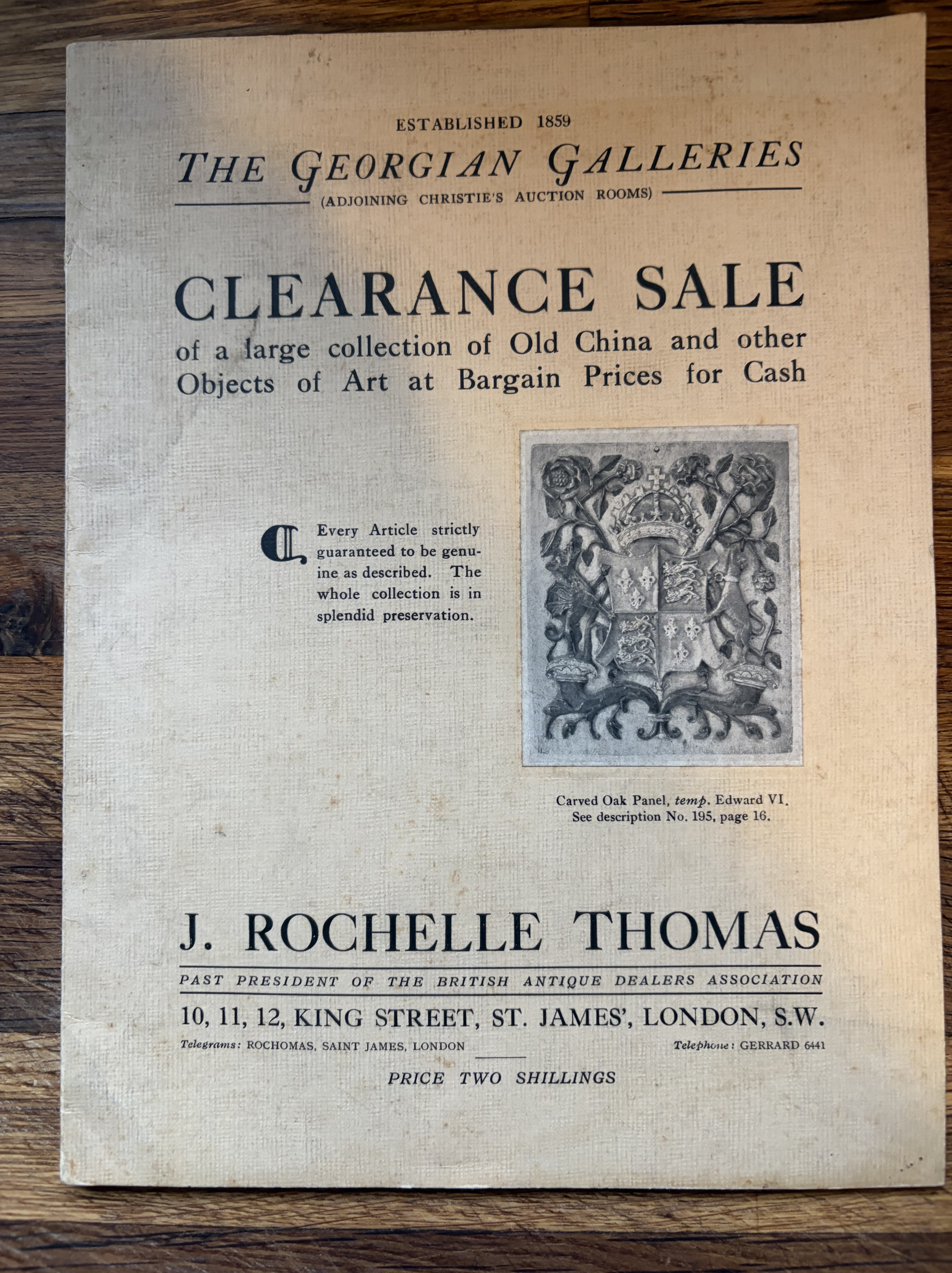
J. Rochelle Thomas sales catalogue, 1923. Photograph Antique Dealers Research Project, University of Leeds.

Sadly the catalogue does not have any photographs of the items for sale except the front cover image of what is described as ‘Carved English Royal Coat of Arms, Period Edward the 6th; fine preservation. A great rarity’ (priced at £37.10.0s, reduced from £75). The catalogue has more than 750 antiques for sale at 50% discount, including some important historical ‘relics’. Item 198 for example (see below) ‘The renowned Shakespearian Relic ‘The Boar’s Head’ at Eastcheap, carved in boxwood and set in two natural tusks’ and priced at £60 (reduced from £120). This was a famous object in the 19th century, having been in several collections, including that of the antiquary Thomas Windus FSA (1778-1854).
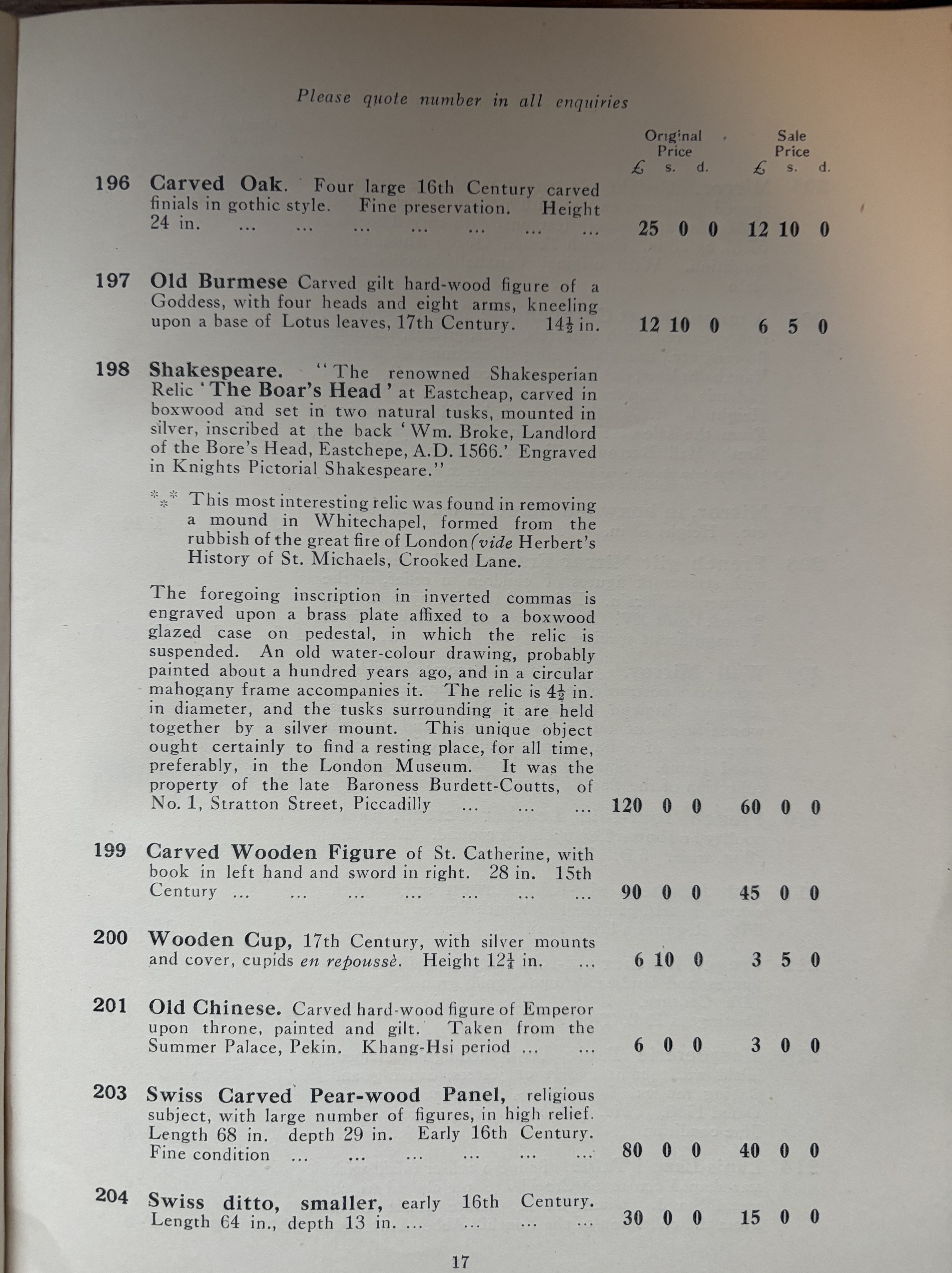
J. Rochelle Thomas sales catalogue, 1923. Photograph Antique Dealers Research Project, University of Leeds.

The ‘Boar’s Head’ was offered for sale at the auction of the collection of Thomas Windus in 1855 where it was reportedly sold for £25 and 4 shillings to the Shakespeare scholar James Halliwell-Phillipps (1820-1889), editor of a lavish Shakespeare Folio edition at the time. It was illustrated in The Pictorial Edition of the Works of Shakespeare edited by Charles Knight (volume 1, 1839-42) – (see below).
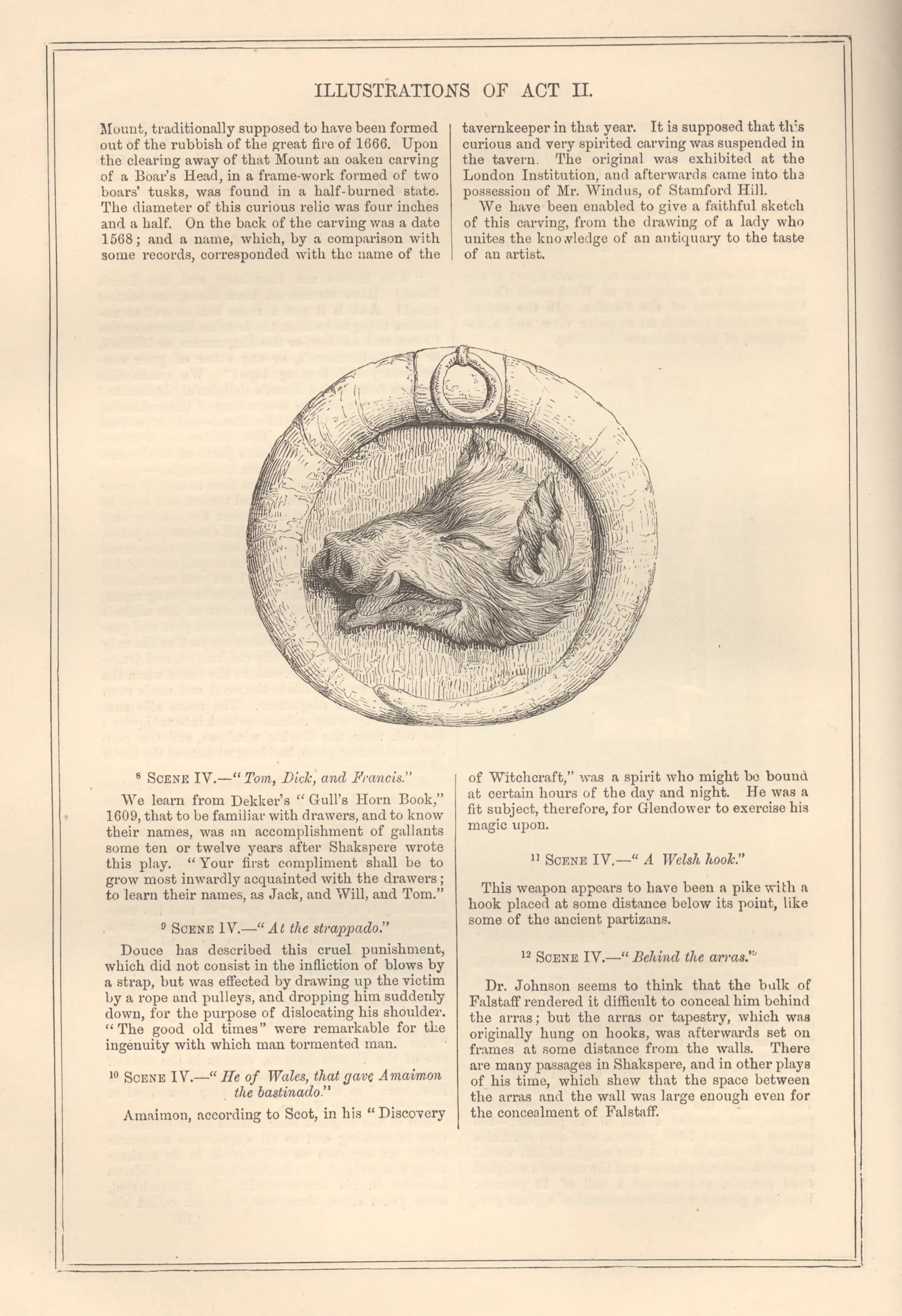
The Pictorial Edition of the Works of Shakespeare edited by Charles Knight (volume 1, 1839-42).

However, the ‘Boar’s Head’ also appeared in the auction of the Windus collection sold by Ansley Windus (Thomas Windus’ son) in 1868, so perhaps it remained unsold at the 1855 auction or was retained by the family. According to the 1923 J. Rochelle Thomas catalogue the ‘Boar’s Head’ was the ‘property of the late Baroness Burdett-Coutts’ (1814-1906); it was offered for sale at £60 (discounted from £120). This important historical object has also subsequently disappeared so if anyone knows where it is, do let me know!

Another object offered for sale in the J. Rochelle Thomas catalogue has been easier to trace – Item 741 – ‘The original carved marble portrait bust, by the great Sculptor Roubilliac, of Jonathan Tyers the proprietor of Vauxhall Gardens. Purchased at Brandon House, Suffolk, from the sale of the effects of Tyers descendants.’ (£50, discounted from £100) – (see below):
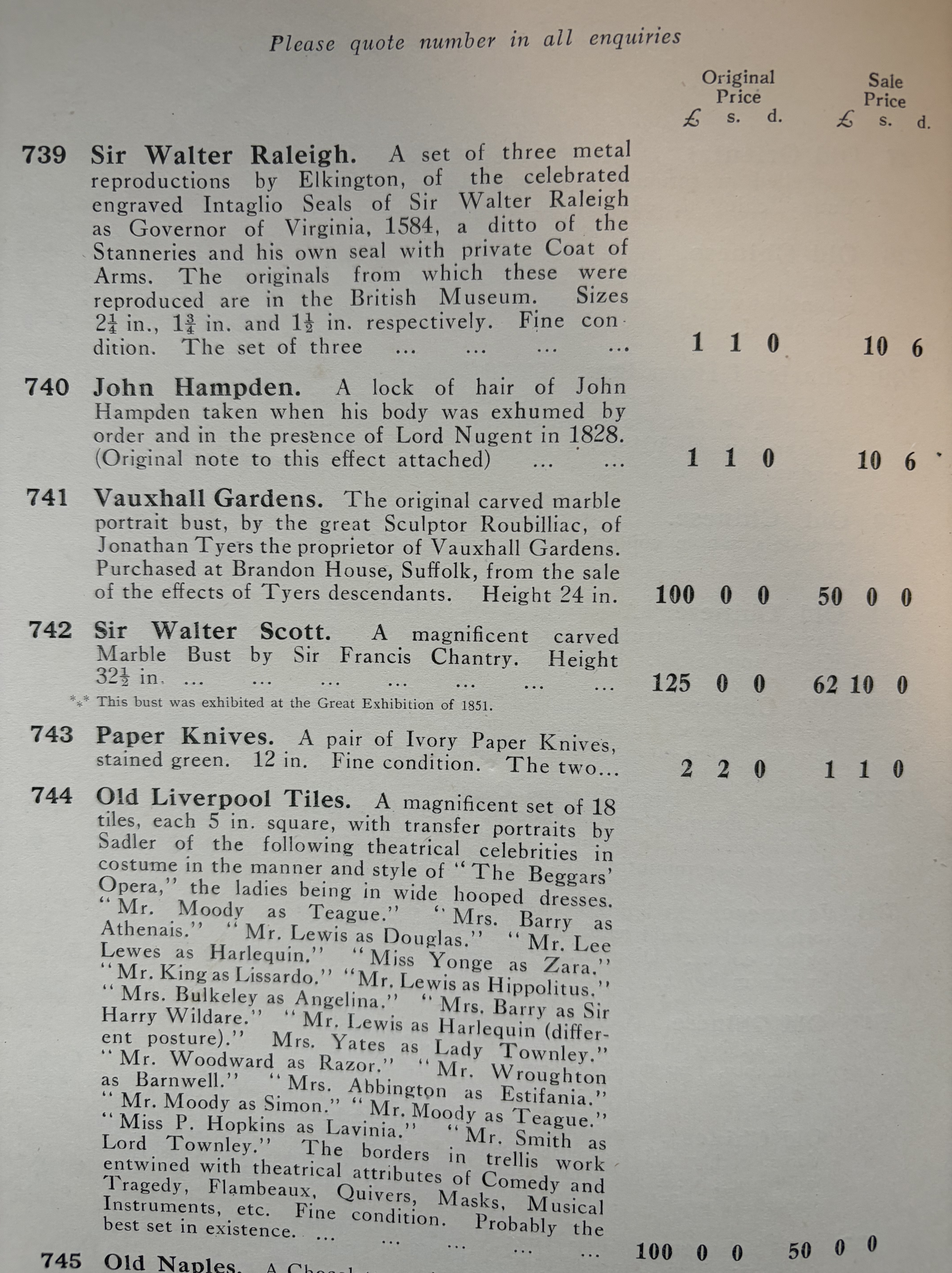
J. Rochelle Thomas sales catalogue, 1923. Photograph Antique Dealers Research Project, University of Leeds.

Here’s the sculpture (thanks to a photograph by David Bridgwater – see his blog HERE):
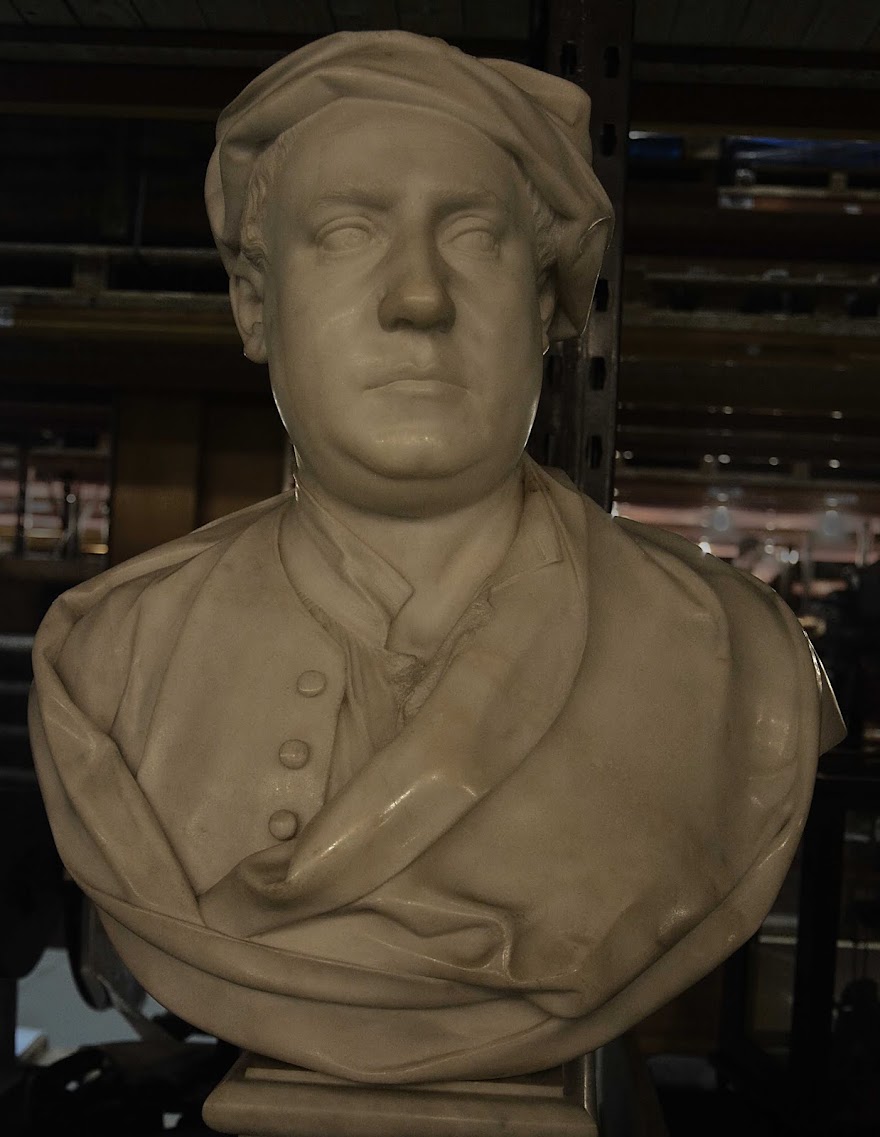
Louis F. Roubiliac (1702-1762) bust of Jonathan Tyers (1702-1767), c.1738. Birmingham Museums. Photograph David Bridgwater.

The marble bust is in the collections of Birmingham Museums, who acquired it in 1956 from the art dealer Frank Sabin. It has an illustrious antique dealer history though. It was acquired (it seems together with a terracotta bust of the same subject) by the well-known Norfolk-based antique dealer Rueben Levine (1865-1927) at the Brandon House auction sale in 1919 (see my blog post on the Levine family of dealers (27th July 2025) HERE. The terracotta bust was sold by G. Levine to the Victoria & Albert Museum in 1927 for £50 and remains in the V&A (see HERE). The marble version of the bust was sold at auction at Sotheby’s in 1927 (24th June 1927, Lot 77), and may have passed through several collections before it was eventually acquired by Birmingham Museums in 1956.

And so, a little photograph of Joseph Rochelle Thomas, kindly sent to us by Chris Coles, opened up a rich seam of research into one of the leading antique dealers of the 20th century – thank you Chris & Chris!

Mark
January 30, 2025

Antique Dealers and Museums

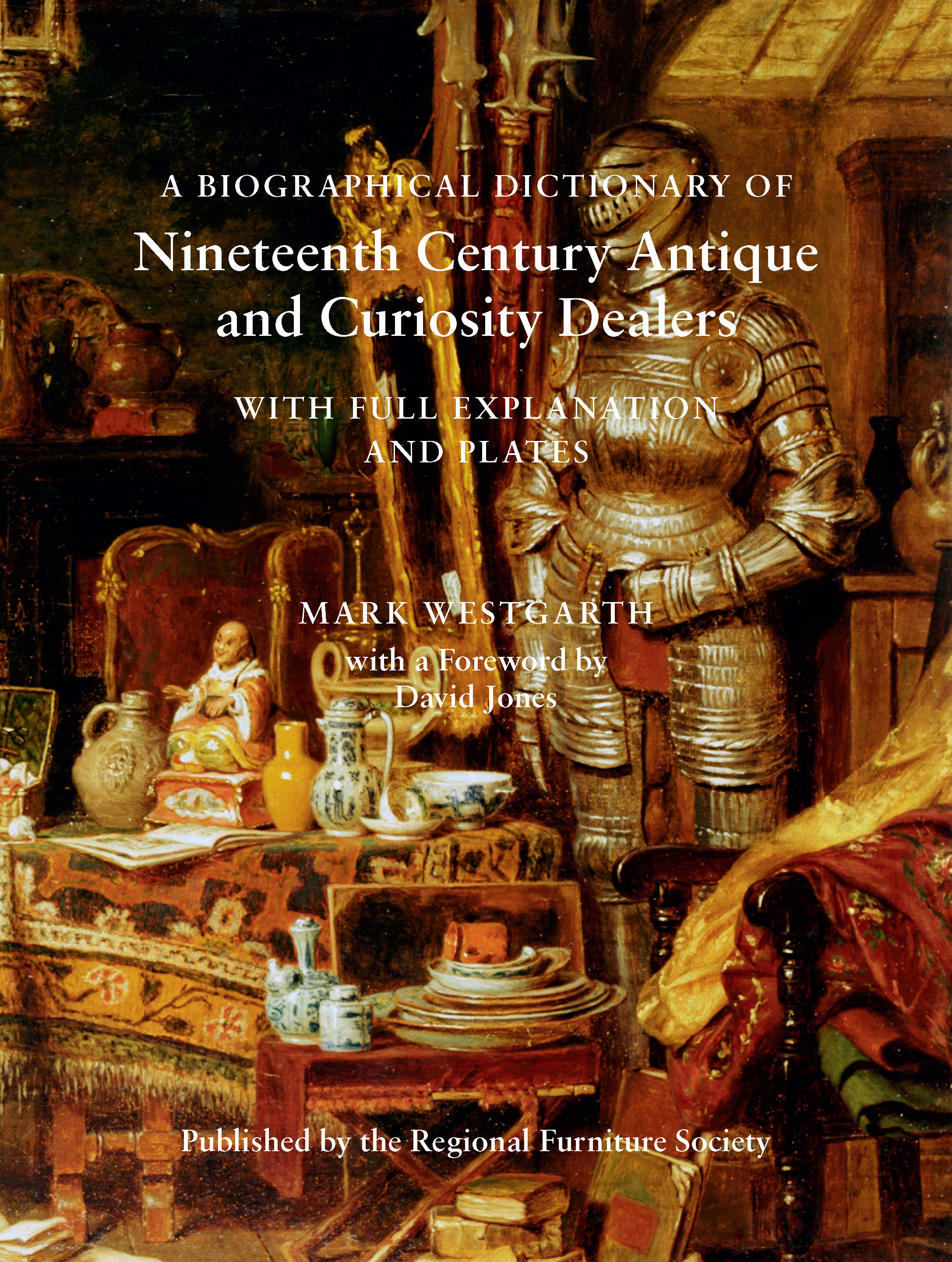
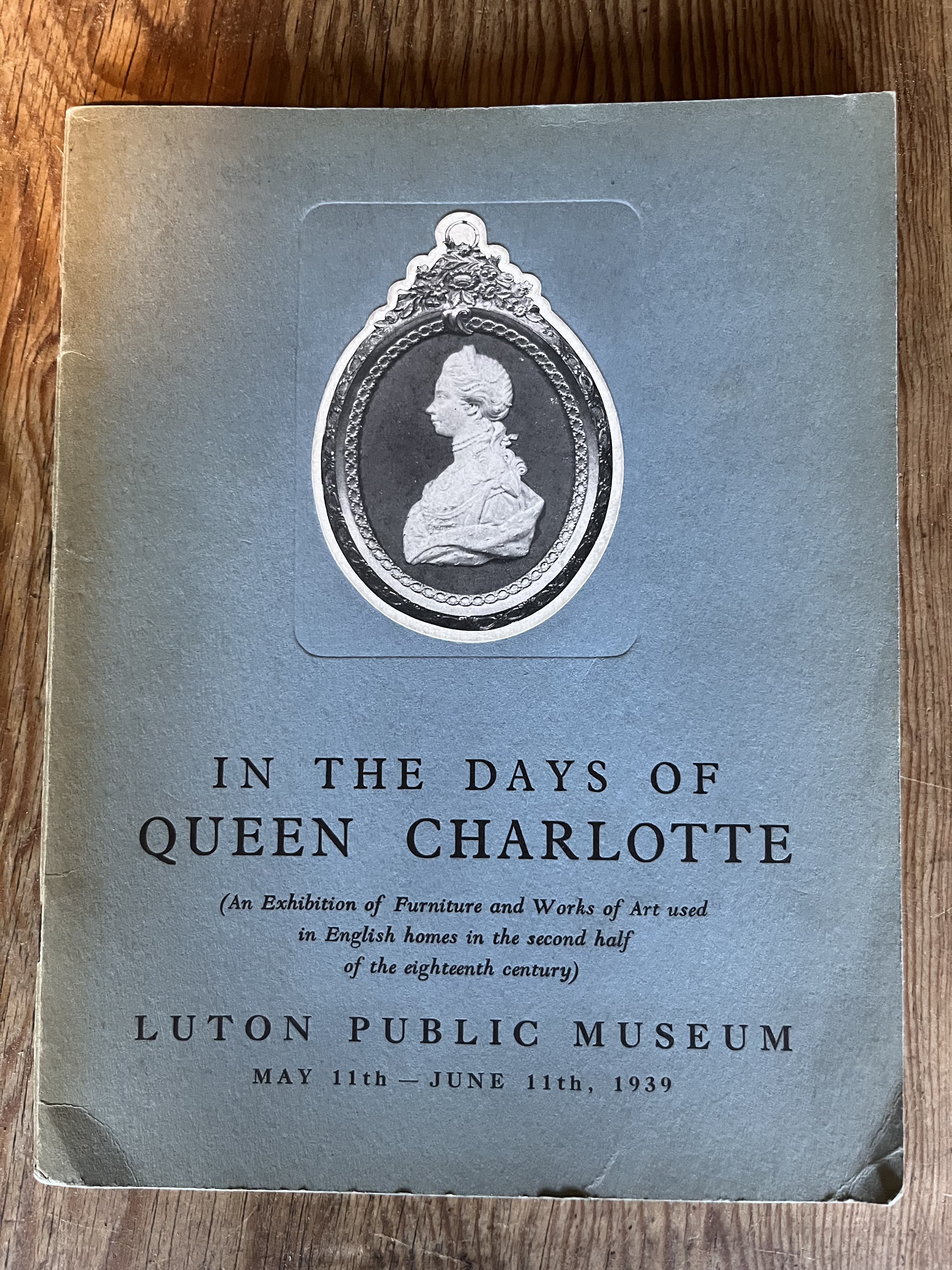
The relationships between the antique trade and public museums is an expansive and complex subject, and there’s not really enough space in a short blog post to do the subject any real justice at all. But a recent addition to the antique dealer project archive of antique dealer ephemera is worth highlighting as it is further evidence of the fascinating dialogue between antique dealers and the public museum. The ephemera in question is a rare survival, an exhibition catalogue of the exhibition ‘In the Days of Queen Charlotte‘ held at Luton Public Museum in May to June 1939.

Exhibition catalogue, Luton Public Museum, ‘In the Days of Queen Charlotte’, May-June 1939. Image, Antique Dealer Research Project, University of Leeds.

The exhibition was organised in collaboration with the British Antique Dealers’ Association and exhibitors included most of the leading antique dealers of the day, such as H. Blairman & Sons, Frank Partridge & Sons, M. Harris & Sons, H. M. Lee, Mallett & Son, S.J. Phillips, S. W Wolsey, Stoner & Evans, J. Rochelle Thomas, and many more. It built on the success of the famous ‘Art Treasures‘ exhibition held at Grafton Galleries in 1928 (also under the auspices of the BADA) and the antique dealers exhibition at Christie’s auction rooms in 1932. However, there was a key distinction between these earlier exhibitions and the Luton Museum exhibition, which was of course that the 1939 exhibition was held in a public museum. I believe this was one of the earliest of what one might call hybrid exhibitions (those staged by the antique trade in public museums) that took place in Britain, and was a catalyst for the much more ambitious collaborations between the antique trade and public museums in the form of public exhibitions that took place later in the 20th century, at The Victoria & Albert Museum in 1962 (organised by CINOA, the International Confederation of Dealers in Works of Art), and again at the V&A Museum in 1968 (organised by the BADA as part of the celebrations of the Golden Jubilee of the establishment of the BADA (1918)). There was also similar dealer exhibitions in public museums in Europe, all organised by CINOA, the earliest of which appears to have been held at the Rijksmuseum in Amsterdam in 1936, with similar exhibitions at the Musee des Arts Decoratifs in Paris in 1954 and at the Historisch Museum in Amsterdam in 1970. And perhaps the most ambitious of these initiatives was the exhibition, ‘The Grand Gallery‘, staged at the Metropolitan Museum of Art in New York in 1974 (again organised by CINOA) and which was partly staged to celebrate the additions to the Metropolitan Museum collections acquired through or gifted by, the New York based antique dealers Joseph and Ernest Brummer.

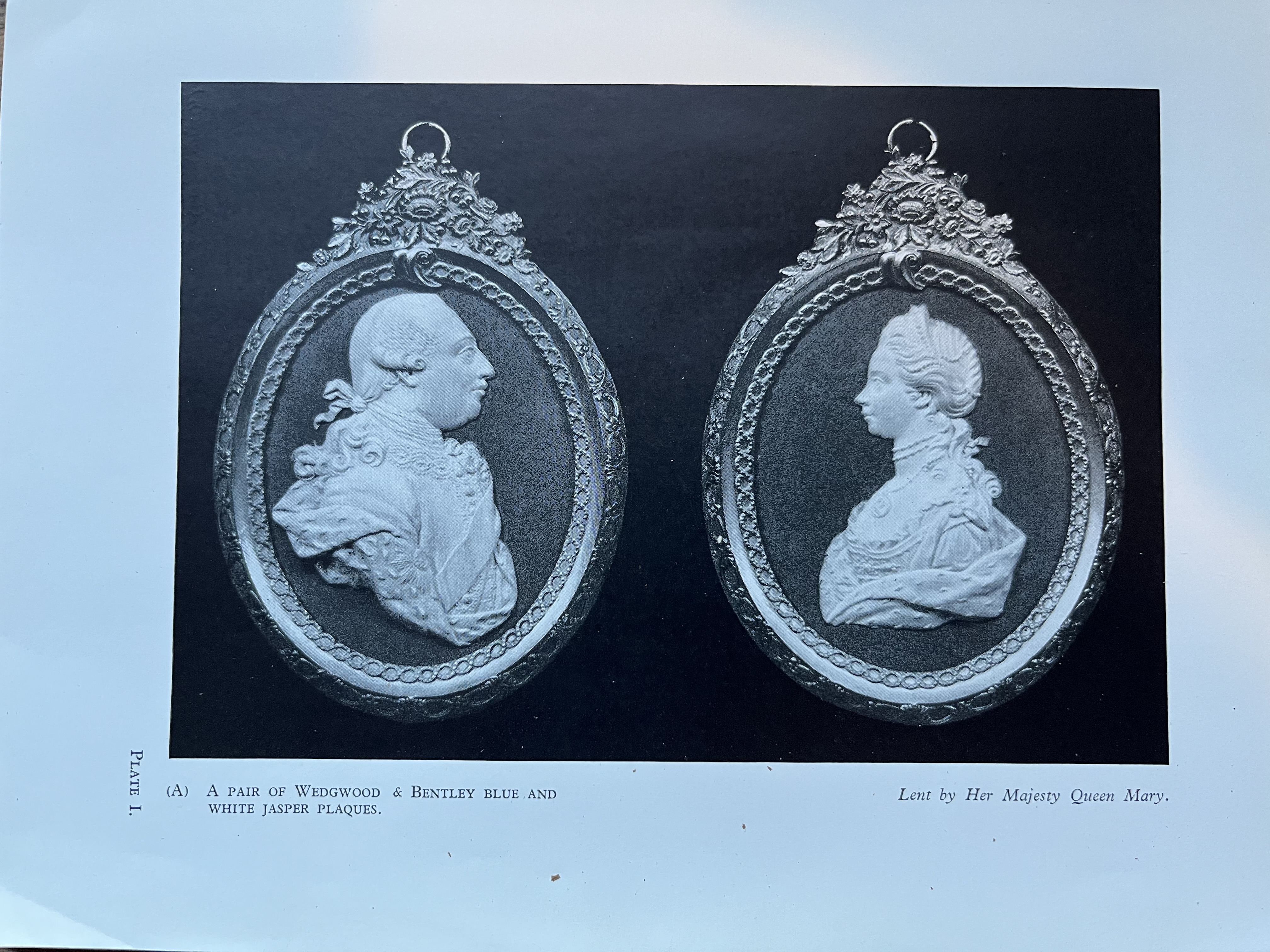
The exhibition at Luton Public Museum, like the other later exhibitions at the various museums, was partly for public education – the exhibitions often had antiques loaned by influential collectors for example. At the Luton Public Museum exhibition, Queen Mary (an avid collector of antiques) loaned a pair of 18th century Wedgwood & Bentley jasper plaques (c.1780), and the Duke of Kent loaned a collection of 20 stipple engravings of members of the Royal Family (published in 1806).

Plate from Luton Public Museum exhibition catalogue, 1939. Photograph, Antique Dealers Research Project, University of Leeds.

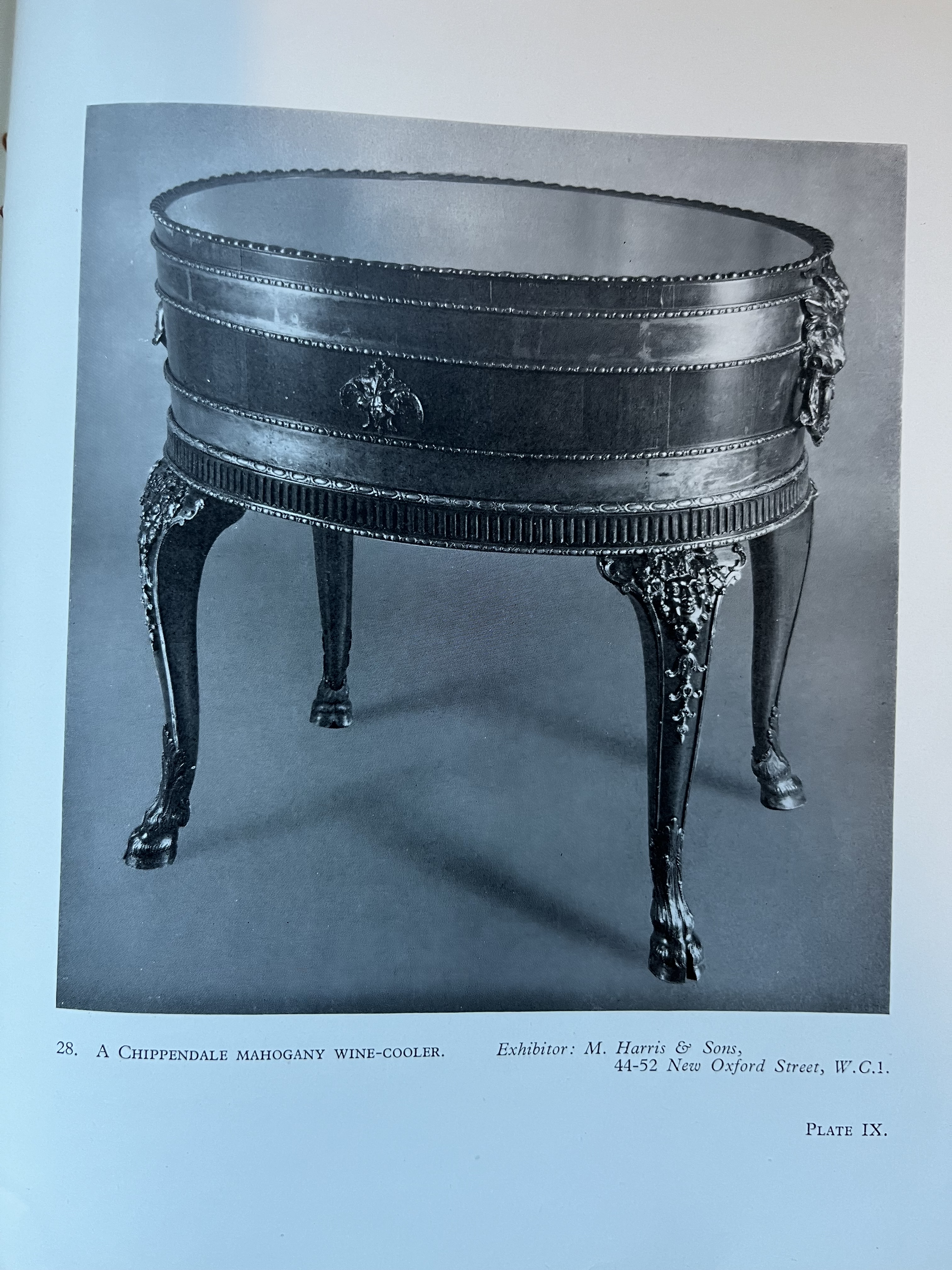
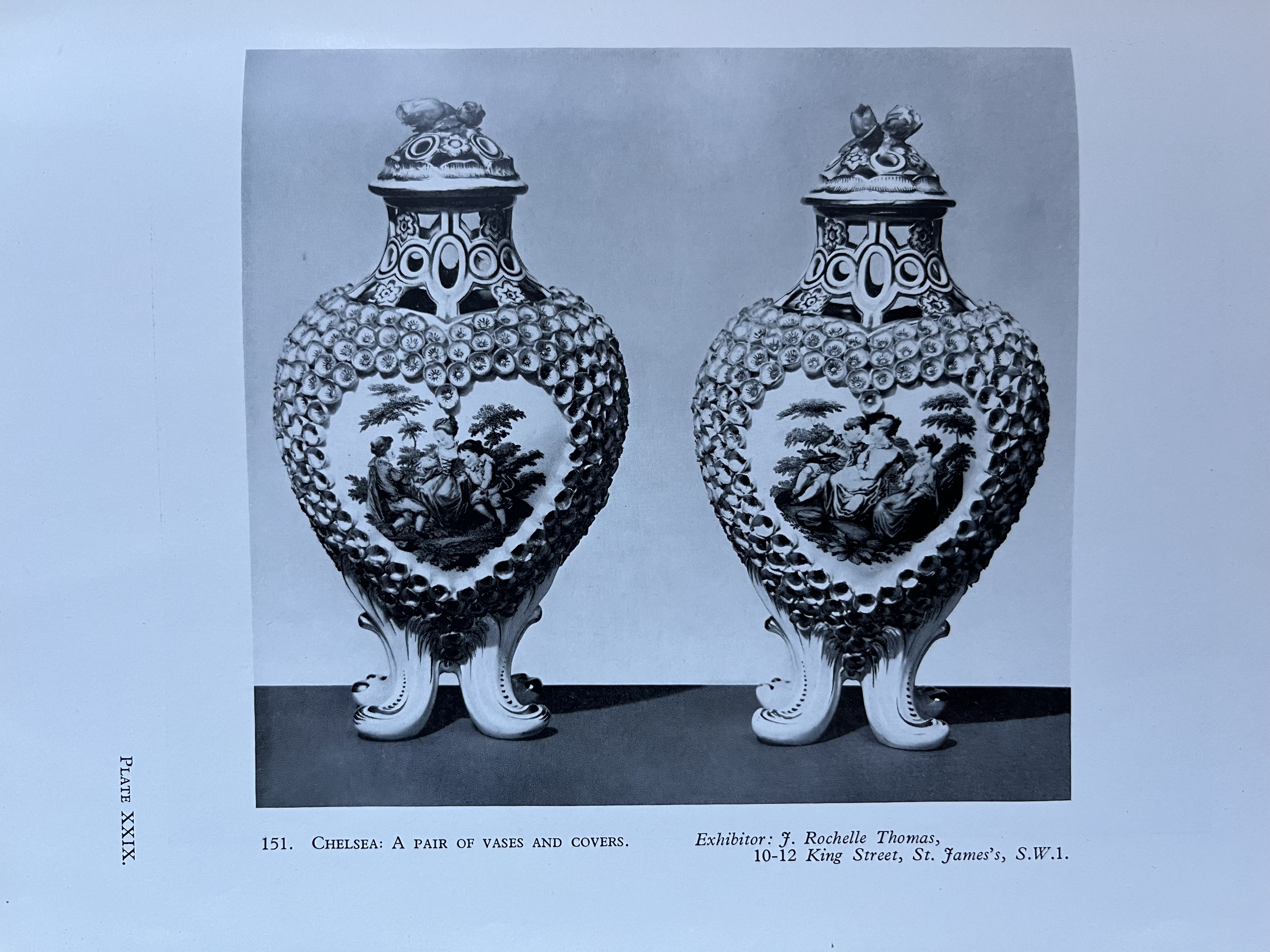
Of course one of the main purposes of these antique dealer organised public museum exhibitions was to showcase, and sell, antiques displayed by antique dealers. Indeed, at the Luton Public Museum exhibition all the objects on display, apart from the loans by Queen Mary and the Duke of Kent, were offered for sale – Moss Harris & Sons offered this 18th century wine cooler (see below) and J. Rochelle Thomas, a pair of 18th century vase and covers (see below).

‘A Chippendale Mahogany Wine-cooler’, exhibited by M. Harris & Sons at the Luton exhibition, 1939. Photograph, Antique Dealer Research Project, University of Leeds.
‘A Pair of Chelsea vases and covers’, exhibited by J. Rochelle Thomas at the Luton Public Museum exhibition, 1939. Photograph, Antique Dealer Research Project, University of Leeds.

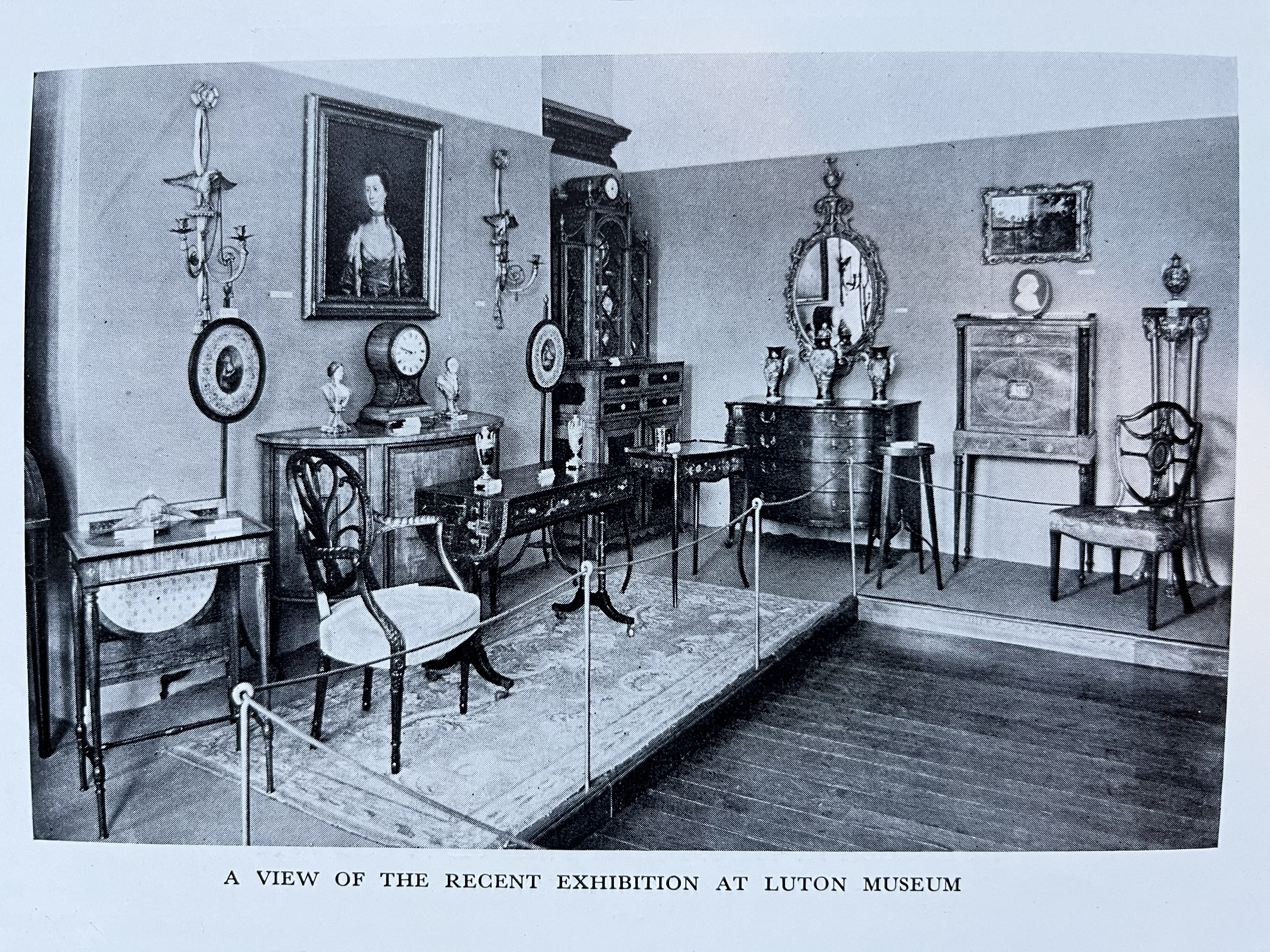
The arrangement of the exhibits at the museum also seemed to mirror the displays of antiques at major antique fairs at the time – such as those at the Antique Dealers Fair held at the Grosvenor House Hotel from 1934 – as one might expect of course – the overlap between modes of display in the worlds of commerce and in the public museum are often much closer than one thinks.

The Luton Public Museum ‘In the Days of Queen Charlotte‘ exhibition, 1939, from Connoisseur, September 1939. Photograph, Antique Dealer Research Project, University of Leeds.

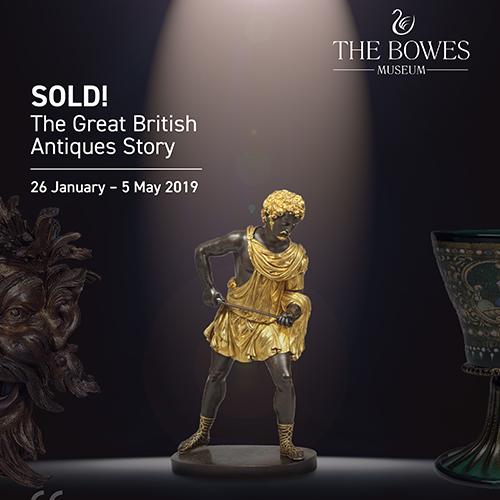
Indeed, all of these antique dealer organised exhibitions draw further attention to the close relationship between the market for antiques (as figured in the presence of antique dealers) and the role of the public museum as a frame for ‘decorative art’ (also known as ‘antiques’ of course). The exhibition I curated at The Bowes Museum back in 2019 – ‘SOLD! The Great British Antiques Story‘, was partly an attempt to draw the attention to the symbiotic relationship between the realm of the art market and the so-called ‘disinterested’ realm of the public museum. If you are interested, you can read more about this in the SOLD! exhibition catalogue – still available, for FREE, as a PDF download via the Antique Dealer Research Project Website HERE.

Mark

July 30, 2023

Antique Shops in Visual Culture I

As readers of the antique dealers Blog will know, we’ve been acquiring antique dealer ephemera for many years now – dealer catalogues, photographs and archives, as part of the on-going research project into the history of the antique trade in Britain. Much of this material, including the extraordinary collection of antique dealer archives, is housed at the Brotherton Library Special Collections at the University of Leeds.

More recently, we’ve been seeking out paintings depicting antique shops – we recently acquired, for example, a naïve painting (oil on canvas, c.1880, signed ‘M. Davis’) of the shop of Mr Deadman at an auction in The Netherlands of all places – ‘Ye Old Beckenham Curio Shoppe’ (see below). The shop depicted in the painting was in High Street, Beckenham in Kent (the building, which appears to be 16th century, was demolished by the 1930s). Frederick William Deadman (either the same dealer or perhaps a relative) was still trading as an antique dealer in the late 1930s – from a shop in Station Road, Freshwater on the Isle of Wight.

M. Davis ‘Ye Old Beckenham Curio Shoppe’, oil on canvas 24 in x 17 in; c.1880. Private Collection.

This painting has been added to our growing collection of paintings of antique shops, all of which demonstrate how important the idea of the antique shop has been in British cultural life. An earlier acquisition, of an equally naïve painting, illustrates this point. The painting, a watercolour, (10.5 in x 15 in, by H. Middleton-Holding, c.1910) of an antique shop in York Street, London, was acquired at auction in Shaftesbury, Dorset in 2019. It’s also a rather naïve work, but is charmingly rendered (see below):

H. Middleton-Holding, ‘York Street, Westminster, London’ watercolour, (10.5 in x 15 in), c.1910. Private Collection.

The artist has copied an engraving of the same scene, much more competently rendered and published in The Daily Chronicle on Tuesday September 27th in either 1904 or 1911, a copy of which is pasted to the backboard of the painting (see below) – (unfortunately, the actual year of the publication is obscured by some brown paper tape). The newspaper article outlines the history of the buildings in York Street, London and their occupiers, including the political philosopher Jeremy Bentham (1748-1832) and the highwayman Dick Turpin (1705-1739).

Backboard of the watercolour by H. Middleton-Holding. Private Collection.

The main shop in the scene, No. 32 York Street, was the location of a well-known female antique dealer, Mrs Amelia Jane Hardingham, who owned several antique shops in York Street (nos. 28-32), and began trading as an antique dealer in about 1900, in Waterloo Road, London. According to the article in The Daily Chronicle no.32 York Street was famous as the home of the artist George Morland (1763-1804) – perhaps that is why H. Middleton-Holding painted the scene again?

Amelia Hardingham’s shop was also captured in a photograph in c.1910 (see below).

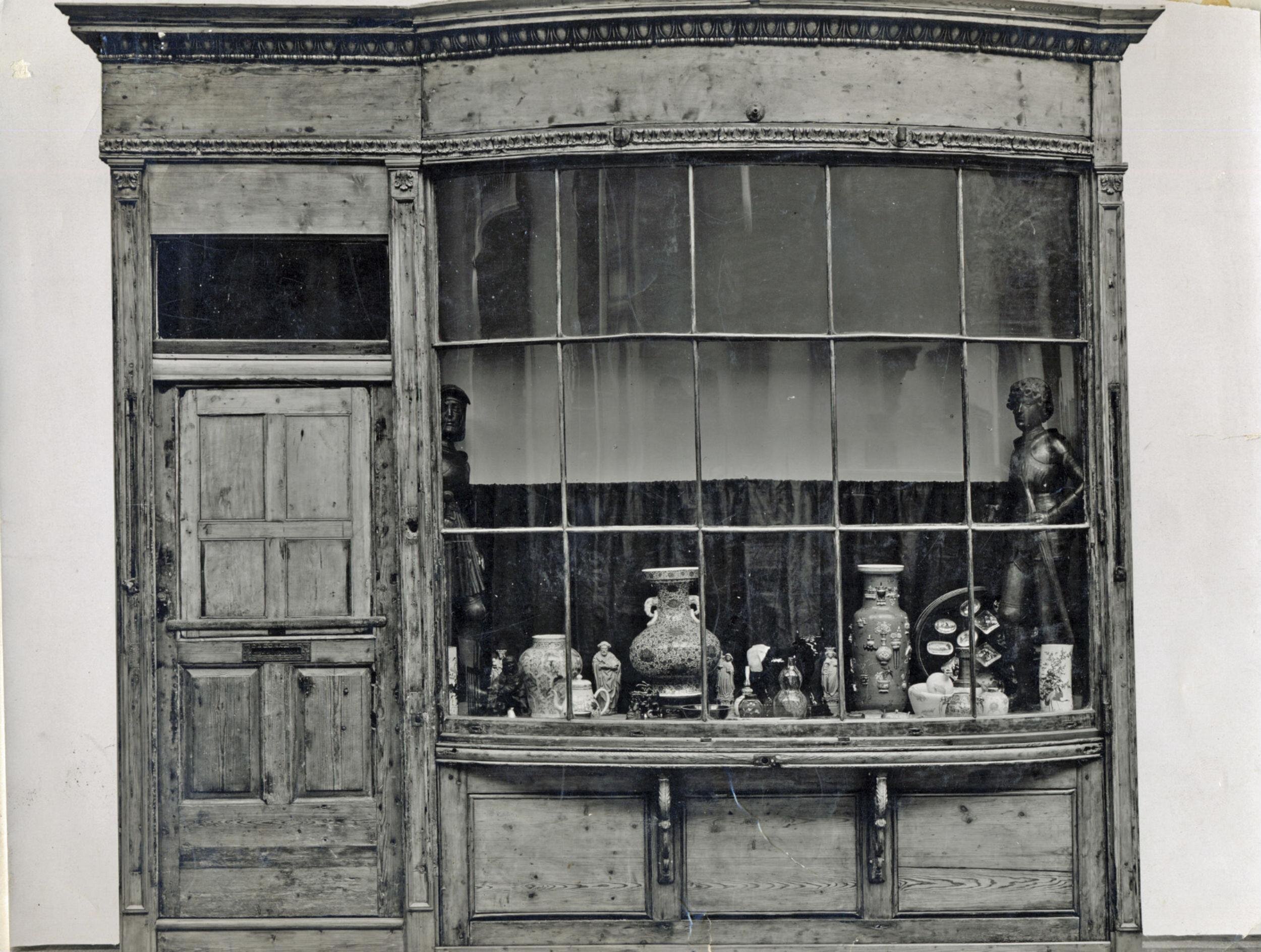
A. Hardingham, Dealer in Works of Art, 32 York Street, London, c.1910. Photograph, The Victoria & Albert Museum, copyright V&A Museum.

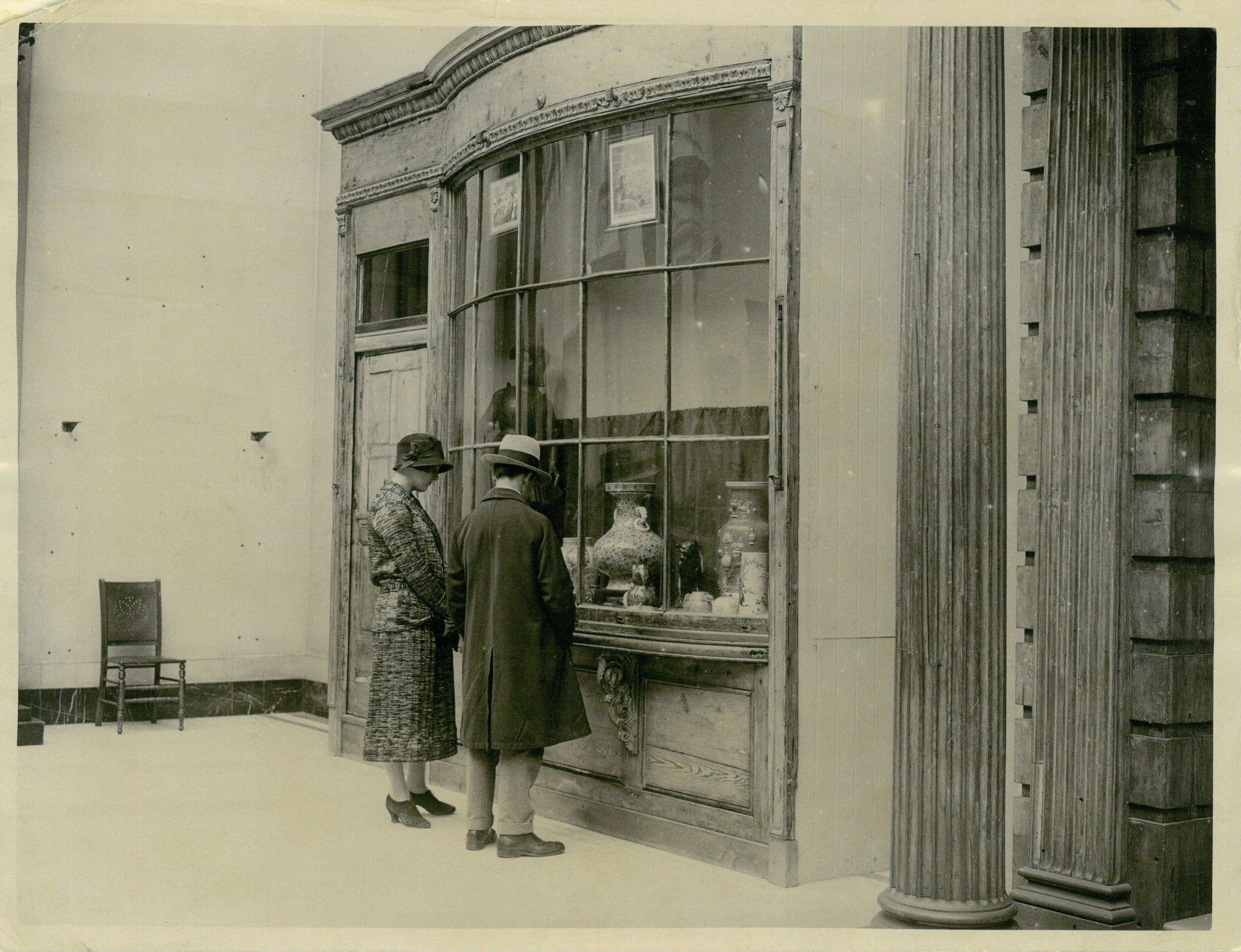
Amelia Hardingham’s antique shop was swept away when the buildings on York Street were demolished in 1923 to create ‘Petty France’, but the shop front of her shop was saved. It was gifted to the Victoria & Albert Museum by the Army Council (which owned the buildings) as a fine example of a late 18th century shop front. In fact, as those who visited the exhibition, ‘SOLD! The Great British Antiques Story‘ at The Bowes Museum in 2019, may remember we used an image of Amelia Hardingham’s shop front as part of the introductory interpretation at the exhibition. Indeed, when the 18th century shop front was put on display at the V&A in 1924, it was set up as a display reproducing Amelia Hardingham’s antique shop (see below).

18th century shop front on display at the V&A Museum, 1924 – W.88-1923. Photograph, The Victoria & Albert Museum. Copyright V&A Museum.

The antique shop display at the V&A Museum caused some consternation in the Press at the time, with some commentators questioning if it was appropriate that an antique shop display should be in a museum!

18th century shop front, displayed as an antique shop, at the V&A Museum in 1924. Photograph, The Victoria & Albert Museum. Copyright V&A Museum.

Readers of the Blog may also be interested to hear that women antique dealers (including Amelia Hardingham) are also the focus of some of our ‘Year of the Dealer‘ digital trails – we have ‘women antique dealer’ themes in our Trails at The Victoria & Albert Museum, The Bowes Museum and at Preston Park Museum as part of this project – so do keep your eyes open for our Year of the Dealer Trails public launch in September. As for paintings of representations of antique shops, we have acquired several other paintings over the last few years and will create another Blog post illustrating those in the next few months, so keep you eye on the Blog!

Mark
December 16, 2021

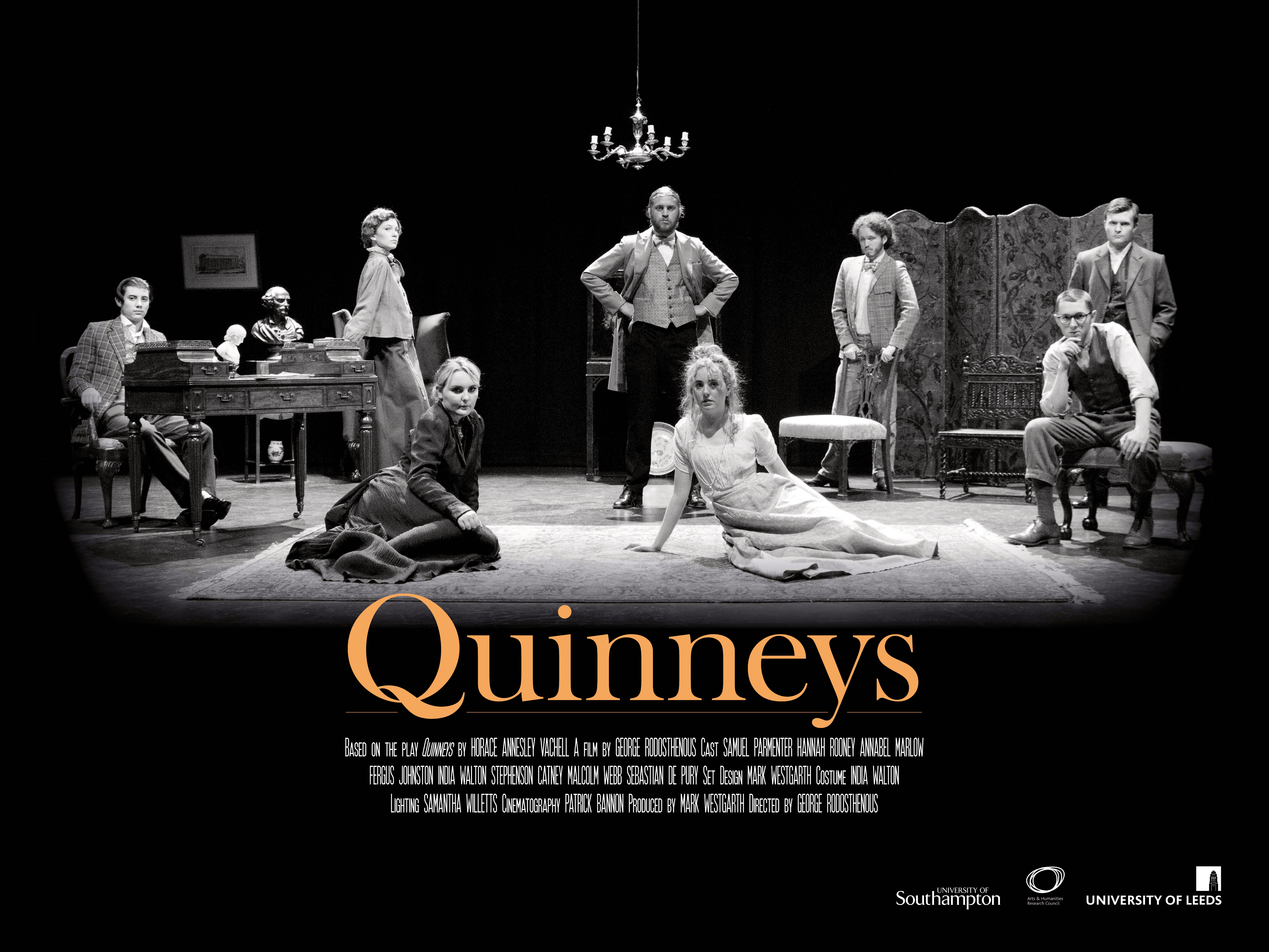
Quinneys, the film (2021) is OUT NOW

MERRY CHRISTMAS!….Quinneys, the film (2021) has now been released on the Antique Dealer Research Project YouTube; so you can now watch the full film (1hr 47 mins) on your TV (or laptop) via the project YouTube.

The Project YouTube link is here – Antique Dealer Research Project YouTube

In our project YouTube channel you can also view the Trailer we made of the film (1 min 21 secs), plus two short contextual films which explore and explain the Set for the film – Quinneys comprised two sets, one Quinneys’ ‘Sanctuary’, filled with expensive and rare antiques, and the other, Sam Tomlin’s set (Quinneys’ brother-in-law, and also an antique dealer), which is much more prosaic (it was loaned by Lyons Tea Rooms in one of the original productions of the play in c.1915).

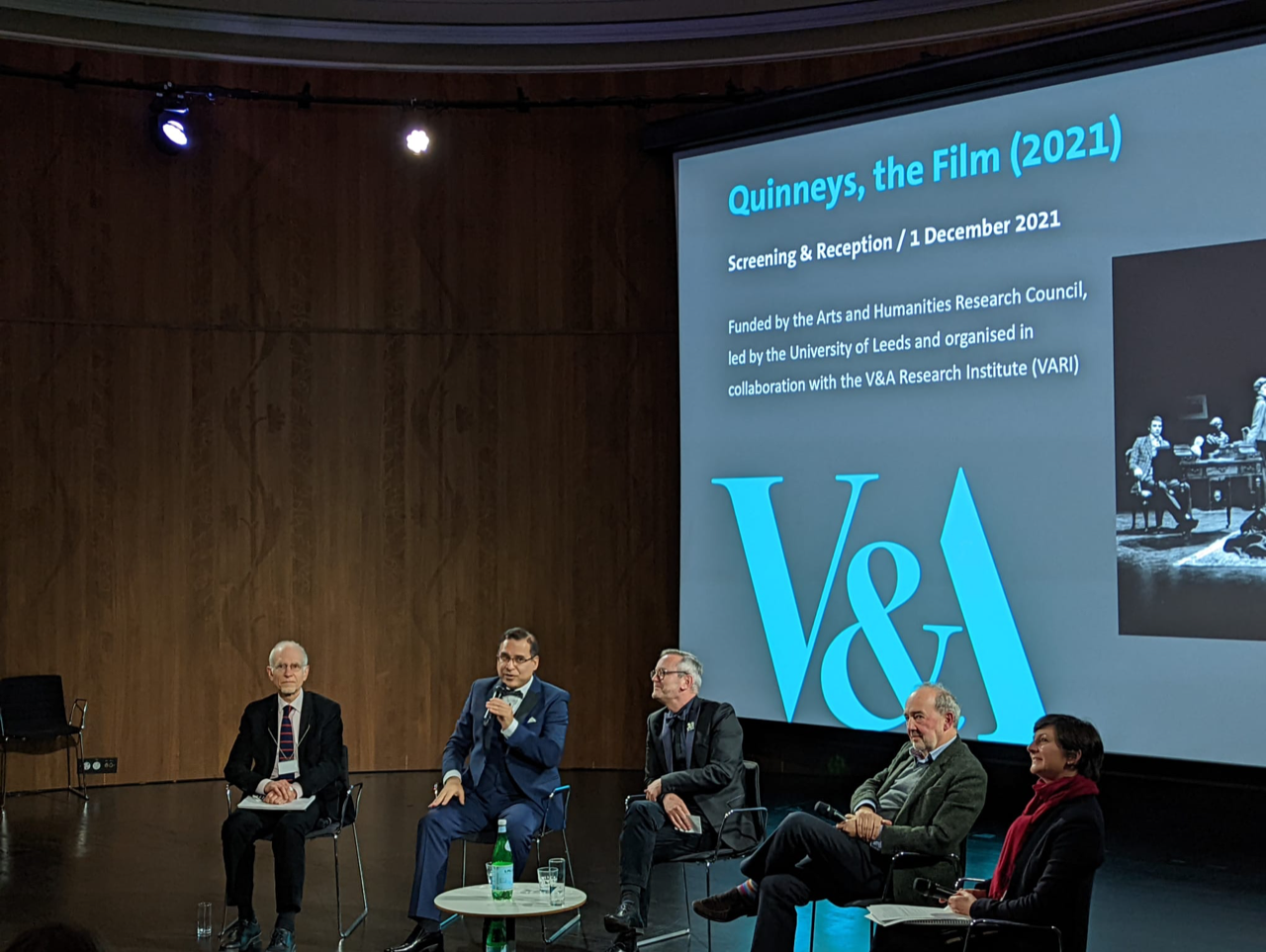
We have also uploaded a film of the Q&A we had at the Victoria and Albert Museum following the preview screening of Quinneys on 1st December.

Quinneys Q&A at the Victoria and Albert Museum, with L-R Christopher Wilk (Keeper of Woodwork, Fashion and Performance at the V&A); George Rodosthenous (Director of the film Quinneys); Mark Westgarth (Producer of the film Quinneys); Martin Levy (Director of H. Blairman & Sons, antiques), and Joanna Norman (Director of the V&A Research Institute).
We hope you enjoy watching Quinneys – do let us know what you think by publishing comments on the Project YouTube or emailing us at antiquedealers@leeds.ac.uk

Mark
Tags: ,
November 23, 2019

Year of the Dealer In Conversation event at Lady Lever Art Gallery

The first of our THREE In Conversation events as part of the AHRC funded ‘Year of the Dealer’ project (2019-2020) was held at the Lady Lever Art Gallery, Port Sunlight, near Liverpool on Thursday 21st November -there are TWO further In Conversation events; one at Temple Newsam, Leeds on Thursday 23rd April 2020; and a final In Conversation at the Victoria & Albert Museum, London, on Thursday 7th May 2020.

The In Conversation events are themed around an on-going, public-facing conversation on the historical and contemporary relationships between the art market and museums and the wider research project to investigate the history of antique dealing in Britain in the 19th and 20th centuries – a subject explored in the original AHRC funded project ‘Antique Dealers: the British Antique Trade in the 20th century, a cultural geography’ (2013-2016) and the various research initiatives and projects that both underpinned and have been subsequently developed from, this fascinating and previously very little studied area of British cultural life – you can of course follow all the projects associated with this strand of research in our new project website ‘Antique Dealers’ at the University of Leeds.

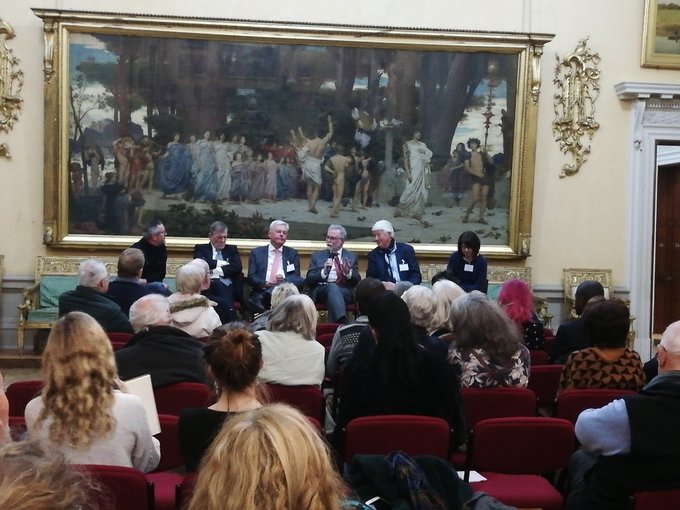
Our In Conversation at the Lady Lever Art Gallery was focused on the collecting activities of William Hesketh Lever (1851-1925), the founder of the Lady Lever Art Gallery – with a theme of collecting and the art market ‘Then & Now’ – the market for decorative art (or Antiques as one might also call them) in the late 19th and early 20th century and the market for decorative art/antiques today. We had a very distinguished panel of experts for the In Conversation – from right to left in the photograph below are Sandra Penketh, Director of Art Galleries and Collections Care at National Museums, Liverpool; Robin Emmerson, curator emeritus, Lady Lever Art Gallery; Colin Simpson, Principal Museums Officer, Wirral Museums; Prof Nick Pearce, Professor of Art History at Glasgow University; Peter Woods, antique dealer and collector and me – Mark Westgarth, University of Leeds.  We also had an excellent and packed audience of interested and interesting people – including lots of people from the local area and with associations with the Lady Lever Art Gallery – but it was good to see people from much further afield too – some had travelled all the way from London and the South East of England! Thank you to everyone on the Panel and everyone who attended for making the event such a success!

In Conversation at the Lady Lever Art Gallery, 21st November 2019.

The discussion and debate was lively and informative, with each of the participants on the Panel offering reflections on the art market, collecting and museums from historical and contemporary perspectives (from various ‘stakeholders’ if you like – museum professionals, academics, and professional antique dealers and collectors) .  There were also some great questions from the assembled audience.  I don’t think we exhausted the theme at all (certainly not in the relatively short time we had for the ‘In Conversation’) – indeed, its just as well we have many more events and activities as part of the ‘Year of the Dealer’ project!

It was great to see the project had so engaged the participants, and bodes well for future events.  I’d like to thank everyone at the Lady Lever Art Gallery – Sandra Penketh, Alyson Pollard, Dave Moffat – and the events team at Lady Lever – Joel, Caroline, Nina and Kimmi – and all the support staff, for all of their help with the development and delivery of the In Conversation.  And of course the Year of the Dealer project team, Eleanor, Vanessa, Simon and Gemma, for all their hard work too.

Do keep a look out for future events as part of the ‘Year of the Dealer’ project each of the In Conversation events are free to attend (bookings will open soon for the Temple Newsam and V&A Museum events) – we also have a wine reception for each on the In Conversations (if you needed any further incentive to come along of course!).  We hope to see you at Temple Newsam and at the V&A Museum next year.  Do keep you eye on the events pages on the Year of the Dealer project website.

Mark

June 26, 2019

Year of the Dealer starts!

We are very excited to announce that the ‘Year of the Dealer’ project has officially started – the new project website is being constructed (thanks to Peter Edwards in University of Leeds, Arts, Humanities & Cultures Faculty IT team) – you can see the new website here – Year of the Dealer website 

The ‘Year of the Dealer’ project is a collaboration between the University of Leeds, the University of Southampton, 7 major national and regional museums (The Victoria & Albert Museum, The National Museum, Scotland, The Ashmolean Museum, The Lady Lever Art Gallery, The Bowes Museum, Temple Newsam, Preston Park Museum and the Stanley & Audrey Burton Gallery), together with a regional community theatre (The Witham, Barnard Castle) and one of the UK’s leading antique dealing businesses (H. Blairman & Sons). The project runs from 1st June 2019 until 31st May 2020 and is an ‘Impact and Engagement’ project funded (£100,000) by the Arts and Humanities Research Council (AHRC). Over the next 12 months  the Year of the Dealer will be organizing a series of events, activities and museum object trails, using the research arising from the AHRC funded (£231,592) research project ‘Antique Dealers: the British Antique Trade in the 20th century’ AH/K0029371/1 (2013-2016).

C. Charles, Brook Street shop interior, c.1903. Photograph, Connoisseur 1903.

Through these events and activities the project aims to draw attention to the relationships between the art market and public museums and to share expertise, experience and perspectives among stakeholders and to increase public engagement with the significance of the history of the antique trade in British cultural life.

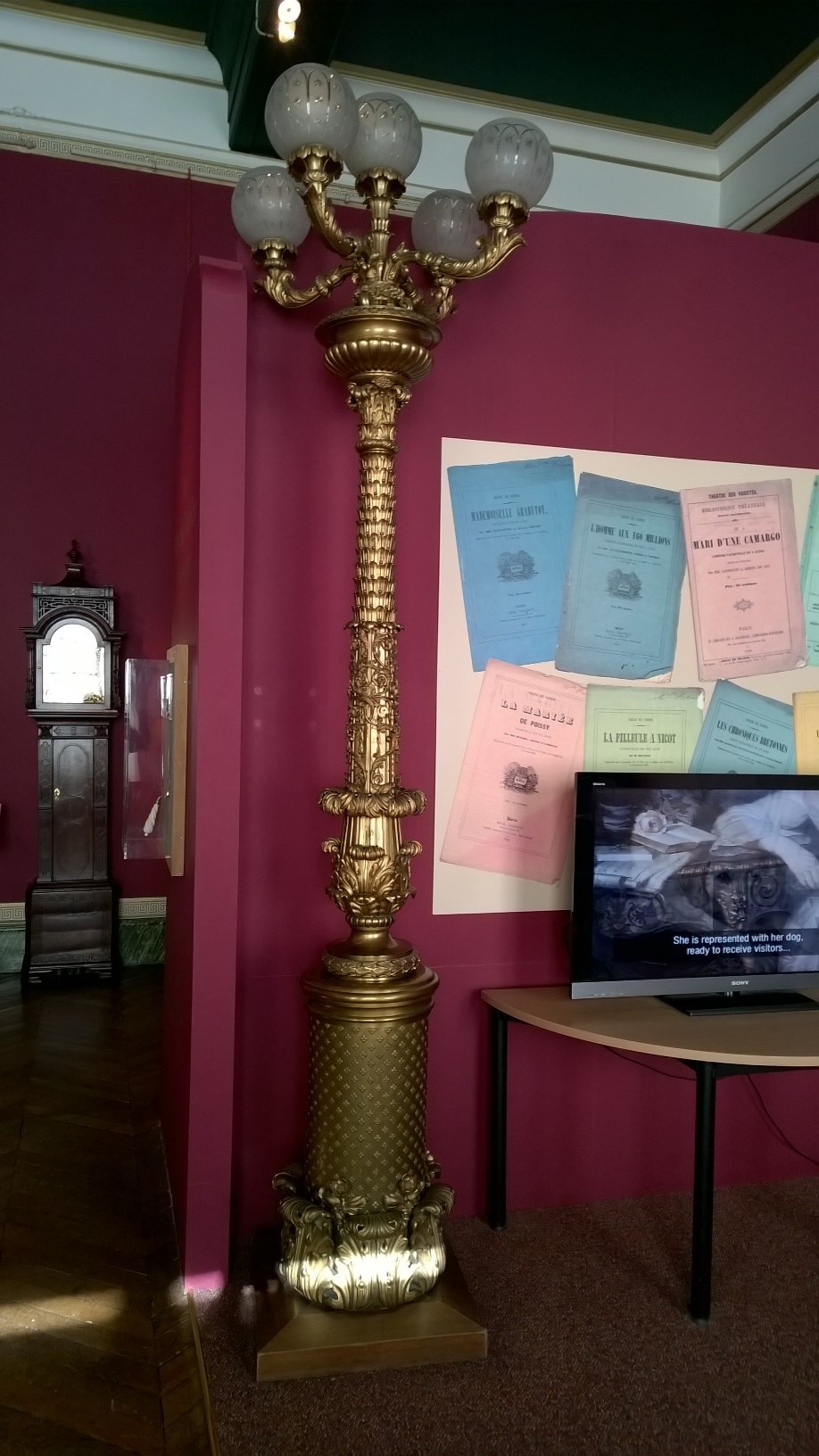
The Year of the Dealer will reveal new and previously marginalised stories of world-renowned and familiar museum objects through the co-production of a series of 7 museum ‘hidden history’ trails; each trail will have a curated selection of up to 20 museum objects foregrounding the history of antique dealers in the biography of the museum object.  So, for example, at The Bowes Museum, we will be drawing renewed attention to some of the museum objects by telling the story about the antique dealers who sold the object to the museum – this rare pair of gilded bronze lamps, made by William Collins in 1823………..

One of a pair of gilded bronze lamps at The Bowes Museum. Photograph, antique dealers project 2018.

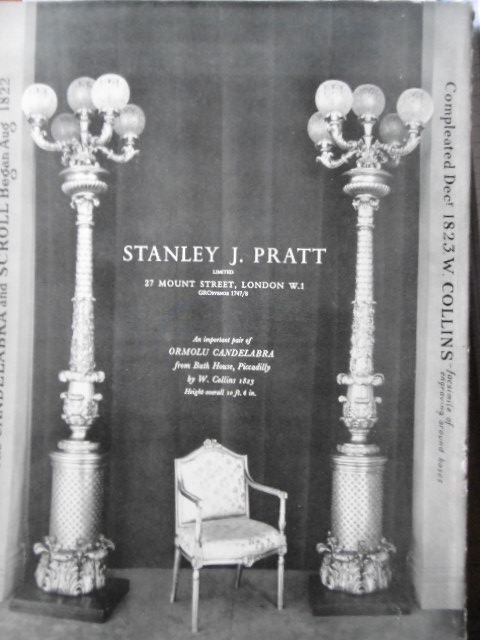
…………………..will be reinterpreted through the Year of the Dealer trail in the museum as a pair of lamps sold to the Bowes Museum in 1960 by Stanley J. Pratt, a leading antique dealer then trading in ultra-fashionable Mount Street, London.  How Pratt acquired the lamps and how they ended up at The Bowes Museum will be key elements in the ‘story’ about the objects. Stanley Pratt came from a well-known family of antique dealers dating back into the 19th century; indeed the Pratt family of dealers were established, according to their own publicity, in 1860, and so sold the lamps to The Bowes Museum in their centenary year!

Advertisement by Stanley J. Pratt illustrating the pair of gilded bronze lamps. Connoisseur, June 1960.

Besides the 7 museum trails, the project will also stage 4 art market themed knowledge exchange workshops and 3 public engagement ‘In Conversation’ events, hosted by the partner museums. The workshops will consider the relationships between the art market and public museums, drawing in historical and contemporary perspectives and will also consider the challenges and future opportunities for the relationships between museums and the art market.  The ‘In Conversation’ events invite key art market professionals, museum professionals, academics and commentators to discuss and debate the subject of the art market and public museums – all the events will be free, thanks to the Arts and Humanities Research Council (AHRC) funding.

Other activities as part of the Year of the Dealer project include museum front of house staff and volunteer training workshops at each of the 7 partner museums to ensure that the project research and objectives are disseminated and cascaded to the front-line interface with the public.

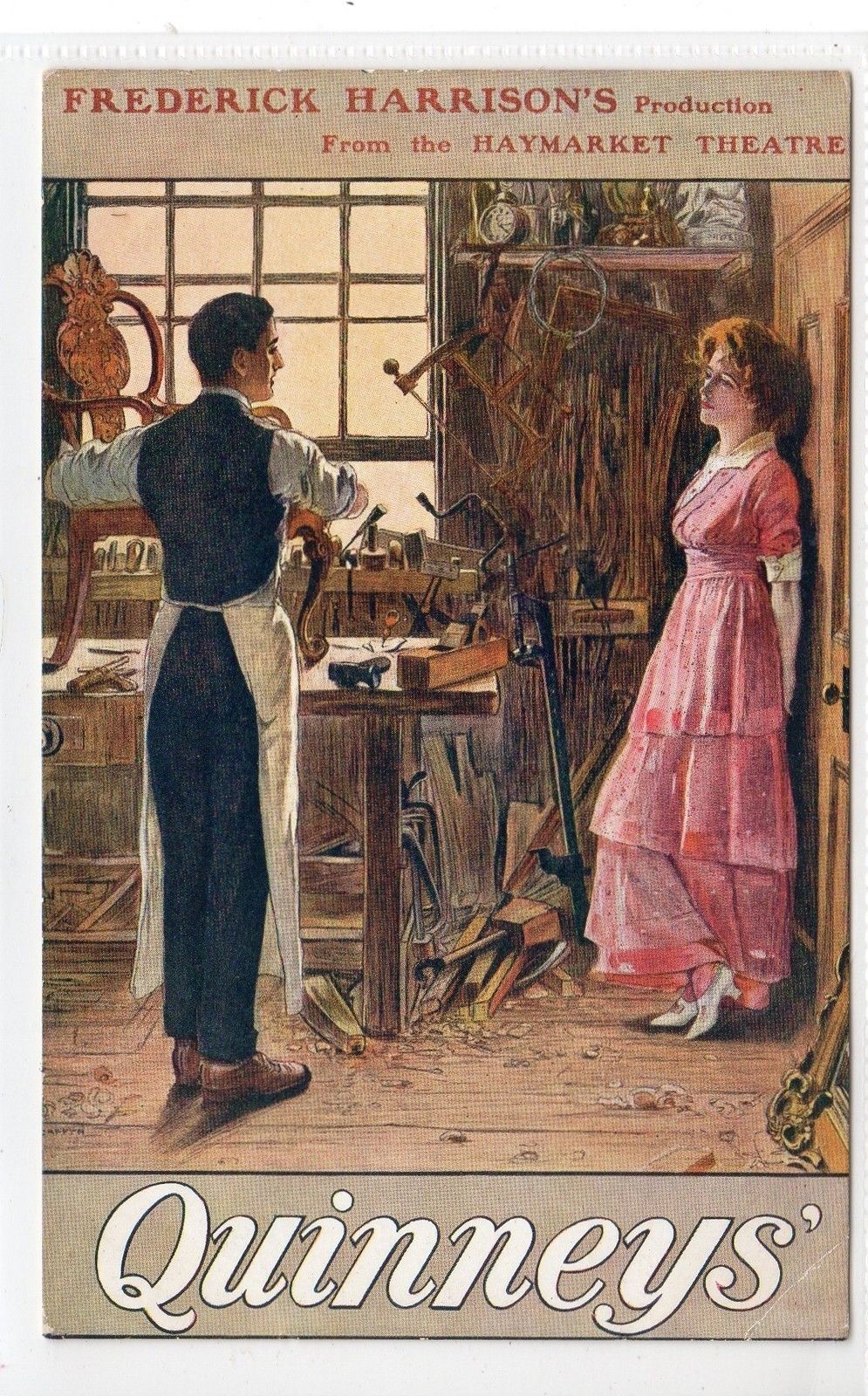
We will also be re-staging the play ‘Quinney’s (1915) at the Witham Theatre, Barnard Castle, and are organizing an associated workshop, ‘Dealing with Authenticity’ at The Bowes Museum, Barnard Castle.

Poster for Quinney’s production at Birmingham Theatre, 1925.

‘Quinney’s’ is the story of the fictional antique dealer Joseph Quinney. The play and the workshop aim to critically engage the general public with the central role that ‘authenticity’ has played in the art market, and to explore and critique the trope of the antique dealer as a problematic character, often associated with fakes and forgeries and the ‘love of money’. The workshop will be interdisciplinary in scope, drawing on theatre and performance studies and material culture studies as well as the history of antique dealers.

As you can see, there are plans for a very rich series of events, activities and collaborations over the course of the Year of the Dealer project – but we have a great team to help deliver the project – my colleague from University of Southampton, Dr Eleanor Quince, and Vanessa Jones, our project administrator, and my colleagues at the University of Leeds, Professor Jonathan Pitches and Dr George Rodosthenous, and of course all of the curators and staff at the all 10 collaborating partners and a small team of PhD research students to help keep the project on track!……it’s no doubt going to be exhausting, but we hope it will also be a really engaging project…and one that will have real Impact!

We hope to see you at some of the events – we already have some events fixed in the project calendar…so do keep an eye on the project website and the antique dealers research blog.

Mark

December 20, 2018

Progress on SOLD!

SOLD! is coming together very well – we’ve been working at The Bowes Museum on the text panels and object labels all of this week.  They all go off to the designers soon – there’s only about 1 month to go before the exhibition opens on 26th January (and that includes the Christmas break!), so there’s still a lot of work to do.  George Harris (Exhibitions Manager at Bowes), Catherine Dickinson (Exhibitions Officer), Jane Whittaker (Head of Collections) together with the other members of the exhibitions team Vin and Jen, and I have been working on the images and texts we need for the exhibition.  It’s going to be designed around a theme of ‘shopping for antiques over 200 years’….using a cityscape as a main theme, with antique shop fronts, of various periods from 1820s to present day, interspaced with images of antique shop interiors over the same period, so the visitors to the exhibition will get a sense of the changing panorama of the ‘antique shop’.

Simon Spier (Project Assistant on the recreating the 1850s Shop) has also been helping with engaging with the local community of dealers and collectors to gather appropriate objects for the shop (see Simon’s ‘Old Curiosity Shop’ Twitter feed).  Simon and I were searching the Bowes stores this week for suitable objects for the 1850 shop…together with Howard Coutts, (the Curator of Decorative Art) – it is interesting that Howard is not the curator of ‘Antiques’ – but then, antiques’ are not what the museum contains I guess?

Over the course of the research project we’ve gathered hundreds and hundreds of images of exteriors and interiors of antique shops.  These two photographs, of F.W. Phillips’ (Phillips of Hitchin) antique shop in about 1905 and the interior photograph of the shop of C. Charles (Charles Duveen, J.H. Duveen’s brother) in New Bond Street, London in c.1903, are just examples of several hundred we have to choose from, so it’s been quite a task to find the right kind of image for the exhibition interpretation.

Phillips of Hitchin shop, c.1905. Photograph courtesy of the Brotherton Library Special Collections, University of Leeds.


C Charles, New Bond Street, c.1903. Photograph, Connoisseur, September 1903.


We’ve also had some excellent pre-publicity for SOLD! this week – the exhibition was featured on the front page (and on page 4) of the Antiques Trade Gazette – see the web version HERE and SOLD! is also on the British Antique Dealers’ Association website (thank you as always the BADA!).

The objects coming to SOLD! cover quite a range of object types (and dealers of course) – we have this wonderful ‘majolica’ dish, from Deruta in Italy, and dating from c.1530, on loan from the V&A Museum.

Dish, c.1530, sold by Henry Durlacher to the SKM in 1854. Image courtesy of the V&A Museum, copyright the V&A Museum.

It was sold to the South Kensington Museum in 1856 (as the V&A Museum was called in the 19th century) by the well-known 19th century antique dealer Henry Durlacher (b.1826) for £5 and 5 shillings – quite a meagre some, even in the context of the market for such objects in the 19th century.  The market for ‘Raphaelware’ (as this kind of object would have been categorized in the 19th century) was very strong in the middle decades of the 19th century, so perhaps Durlacher was hoping to encourage more purchases from the South Kensington Museum?

SOLD! also has several objects from the collections at The Bowes Museum on display of course, including this spectacular 18th century Bronze fountain mask, which was sold to The Bowes Museum in 1966 by the dealership ‘David Tremayne’ – one of the directors of ‘David Tremayne’ was David Salmon, a member of the family that owned J. Lyons & Company, of ‘Lyons Tea Rooms’ fame.  ‘Tremayne’ traded from the King’s Road in London, which in the 1960s was the epitome of Swinging, Fashionable London, with the antique dealers patronised by Film Stars and Rock Groups such as the Rolling Stones.

Bronze Mask, sold by ‘David Tremayne’ to The Bowes Museum in 1966. Photograph courtesy of The Bowes Museum.


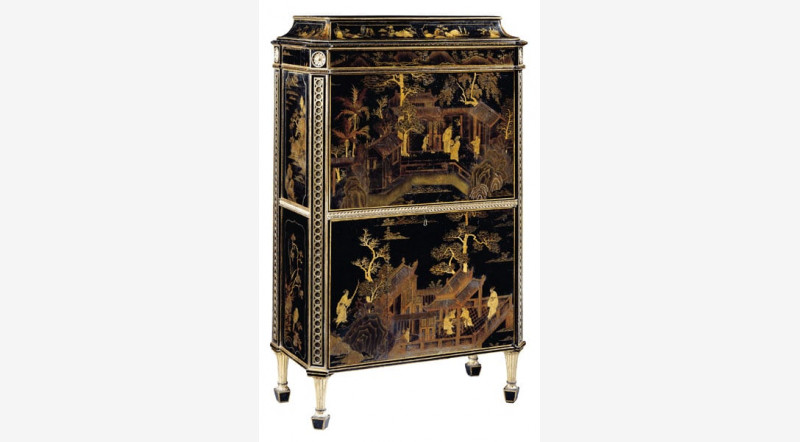
In SOLD! we also have a number of objects from Temple Newsam, part of Leeds Museums & Galleries, including the famous black lacquer secretaire, formerly supplied by Thomas Chippendale for Harewood House in the 1770s.

Secretaire, c.1770, sold by Hotspur to Temple Newsam, Leeds Museums & Galleries in 1999. Photograph courtesy of Leeds Museums & Galleries, copyright Leeds Museums & Galleries.

Of course, for SOLD! this is not a ‘Chippendale’ , it was sold to Leeds Museums & Galleries by the well-known Antique English Furniture specialist dealers Hotspur in 1999, who were then trading in London.  Indeed, the secretaire’s dealer biography can be traced to 1946 when it was acquired by the London dealer Jesse Botibol, probably direct for the auction sale of some contents of Harewood House sold at Christie’s in London that year.

There are many more well-known and world-class museum objects in SOLD!, But of course the purpose of SOLD! is to highlight their ‘hidden histories’ and to retell the history of the antique dealers that are such a fundamental part of their object biographies.

Mark


December 2, 2018

SOLD! A Major Exhibition at The Bowes Museum

As some of the readers of the Antique Dealers Blog already know, for the last 18 months I’ve been very busy working as ‘guest curator’ on an exhibition called ‘SOLD!’ at The Bowes Museum based on over 10 years of research on the history of Antique Dealing in Britain – and we can now announce the forthcoming opening (on 26th January 2019) of the exhibition!  Here is the poster, with the stunning bronze by Antico of c.1490-1500, acquired by the V&A Museum through the dealer Horace Baxter in 1960, as the ‘poster boy’.

SOLD! Poster

SOLD!, which opens on 26th January 2019, brings together more than 40 world-class objects, from various museums, including the V&A, the British Museum, The Royal Armouries, Royal Collection, The Lady Lever Art Gallery and Temple Newsam, as well as objects from the collections at The Bowes Museum itself, and loans from private collections never seen in public before, to tell the ‘hidden histories’ of the objects with a focus on the history of antique dealing.  One of my PhD students (Simon Spier) is working as the project research assistant helping with the assembly of the recreation of an ‘old curiosity shop’ which will be part of the display and interpretation for SOLD! – you can follow Simon’s activities in the special Twitter feed we have developed – see  https://twitter.com/Bowes_GBAS

Besides ‘Antico’ from the V&A Museum…(which I have been calling a ‘Horace Baxter’ – indeed, I have been calling all the objects in the exhibition by the name of the dealer who sold them which has been very confusing for many museum curators! – so the ‘Antico’ is a ‘Horace Baxter’; we also have a ‘Henry Farrer’ (a very rare 16th century Venetian glass goblet – sold by Farrer to the South Kensington Museum (now the V&A Museum) in 1854 for £30.0.0) – you can just see the edge of the green glass goblet to the right of the ‘Baxter’ in the poster above; and a ‘David Tremayne’ – the wonderful 18th century bronze mask, sold to The Bowes Museum by David Tremayne in 1966 – you can just the bronze mask to the left of the ‘Baxter’ (sorry, the ‘Antico’) in the poster.

We have a wonderful range of objects in SOLD!, including this amazing demilance suit of armour of c.1620 from the Royal Armouries, (Tower Armouries Collection in London), which was acquired via the well-known specialist dealer in ‘ancient armour’ Samuel & Henry Pratt from their ‘The Gothic Hall’ just off New Bond Street in 1840.

S. & H. Pratt – (1840) – Demilance suit of armour, c.1620. Photograph courtesy of The Royal Armouries.

As part of SOLD! we have objects that passed through the hands of major 19th century dealers such as E.H. Baldock, John Webb and George Durlacher; and in the 20th century, major dealers such as Frank Partridge, M. Harris & Sons, H. Blairman & Sons, Mallett & Son, Wartski, Hotspur, S.J. Phillips, and Bluett & Son…plus many more besides.

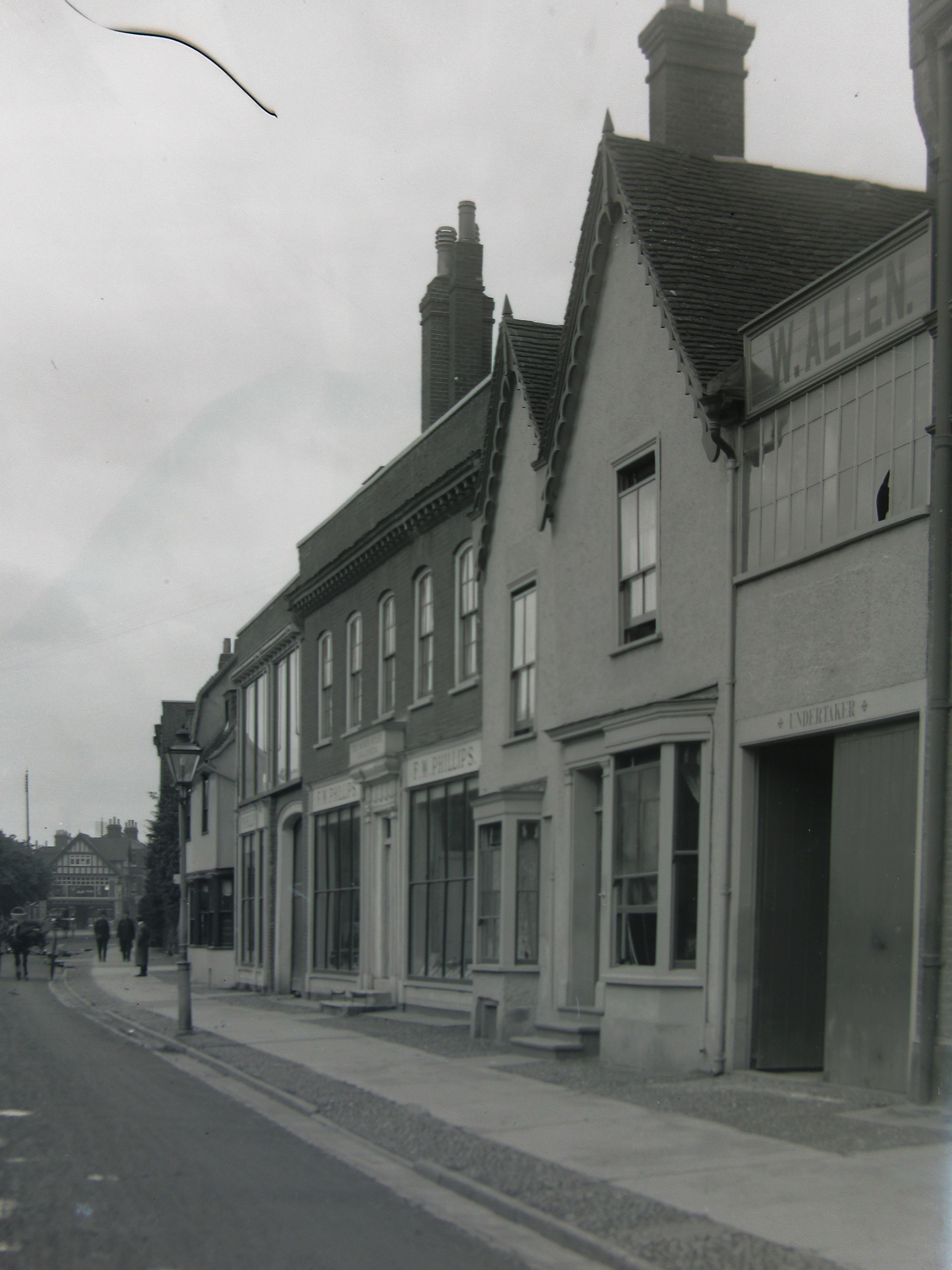
One of the major dealers we have focused on is Phillips of Hitchin; mainly because we have the Phillips of Hitchin archives at the Brotherton Library Special Collections at the University of Leeds. And here’s a very rare photograph of the Phillips of Hitchin shop in c.1905, with Frederick W. Phillips (centre) the chap that established the firm in 1882, and Hugh Phillips (his brother) to the right (we don’t know who the third person is) – the photograph was taken just a few years before Frederick Phillips bought the ‘Gothic Cupboard’ and sold it to Robert Mond (see below).

F.W. Phillips (Phillips of Hitchin) shop, Hitchin, c.1905. Digital copy of glass-plate negative courtesy of the V&A Museum.

Jerome Phillips, the grandson of Frederick Phillips, kindly identified the people in the photograph – and Kate Hay at the V&A Museum and her volunteers generously made a digital copy from the original glass-plate negative (part of the Phillips of Hitchin material that is, at present, at the V&A stores).

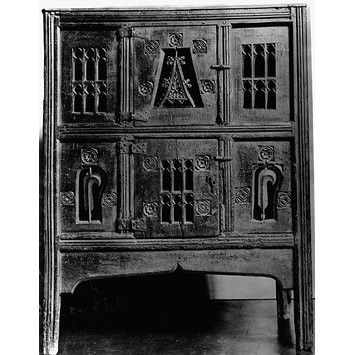
There are also couple of objects from the V&A Museum in the exhibition that were sold by Phillips of Hitchin – this Gothic cupboard (known as ‘Prince Arthur’s Cupboard’ in the early 20th century when it was acquired by the V&A Museum) was sold by F.W. Phillips (Phillips of Hitchin) to the well-known collector Robert Mond in 1912 for £220.0.0. – Mond donated it to the V&A in the same year.

F.W. Phillips (Phillips of Hitchin) ‘Gothic Cupboard’ c.1500-1600. Sold by F.W. Phillips in 1912. Photograph courtesy of the V&A Museum.


The other Phillips of Hitchin object in the exhibition is the famous ‘Medal Cabinet’ by the 18th century cabinetmaker William Vile (c.1700-1767), of c.1760, which was sold by PoH to the V&A in 1963 for £10,000.

Phillips of Hitchin (1963). George III mahogany medal cabinet, c.1760. Photograph courtesy of the V&A Museum.


The exhibition will also have a wide range of exceptionally rare antique dealer archives, and a range of dealer ephemera, to bring to life the history of the antique trade.  But there are also some spectacularly rare objects in SOLD! – indeed, one of the key premises of the exhibition is to show some very familiar, world-class museum objects, but to ‘reframe’ them through the narrative of the art market; and to bring the previously marginalized story of antique dealing more directly, and more explicitly, into the spaces of the public museum – and to provoke us all (museum curators, academics, and the public) to reflect on why the art market has often been suppressed and dislocated from the narratives of the history of art that the museum presents us with.

We hope that the ‘SOLD!’ exhibition will be a catalyst for increased public engagement with these previously marginalized stories.

I’ll be updating the blog with regular progress reports on SOLD! as we move towards the opening of the exhibition on 26th January 2019 – I do hope that we will see as many people who can make it to SOLD! at Bowes Museum and I hope to say ‘hello’ if I am about at the exhibition.

Mark


November 25, 2017

Antique Dealers – ‘Treasures I Would Not Sell’

The complex social and cultural relationships between ‘dealers’ and ‘collectors’, and indeed the historical dimensions of these evolving identities, is a fascinating topic (and something I’ve been working on for the last few years). And I was recently reminded of this subject when I came across an intriguing little article on the dealer Moss Harris (Harris, as many readers of the blog will know, founded one of the world’s leading antique dealing businesses, M. Harris & Sons in c.1915, taking over the business of D.L. Isaacs); the history of Moss Harris & Sons is also partially sketched out in an earlier blog post (see the blog on the oral history interview with John Morris).

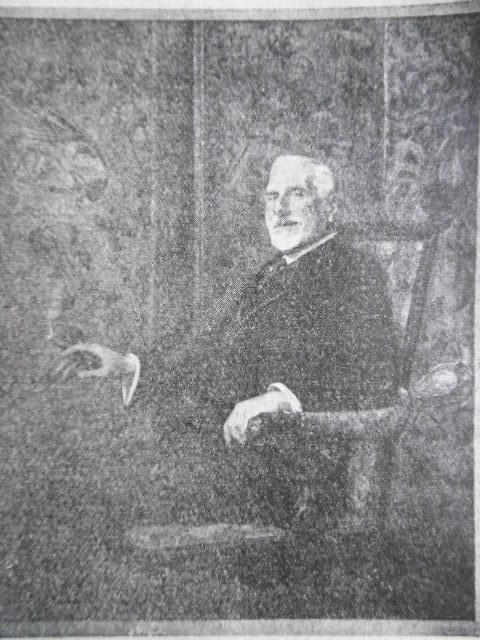
The article, published in The Bazaar, Saturday June 15th, 1929, was titled ‘Treasures I Would Not Sell’.  The article is no great piece of journalism – it seems to have been essentially an excuse to have a sneaky peek into the private collections of some high profile antique dealers.  Anyway, the article indicated that there were in fact 2 objects that Moss Harris ‘would not sell’. One was described as a ‘graceful Hepplewhite side-table’; the other was a ‘magnificent Chippendale armchair’. Harris was obviously so proud of the ‘Chippendale armchair’ that he appeared sitting in the very chair in an image published in the next issue of The Bazaar (22nd June 1929): The photograph of the picture of Harris is very grainy I’m afraid, but the quality of the original is rather poor…anyway, here is Moss Harris, cigar in hand, sitting proudly in his ‘Chippendale chair’:

Moss Harris, in his ‘Chippendale chair’. Image from ‘The Bazaar’ June 22nd 1929.

The article suggested that Harris did eventually sell the Hepplewhite side-table; as Harris stated;

‘I bought this (Hepplewhite side-table)…quite forty years ago from an old established London firm for much less than £100. It was one of those pieces that I was loth to part with.  In fact, I eventually sold it to a collector only on condition that if he ever parted with it he would sell it back to me….he fulfilled my request in a sense. For when he died ten years later he thoughtfully left it to me in his will.’

But the chair, it seems, was a different story; indeed, the article set me off to see if it was possible to identify the ‘Chippendale chair’ that Moss Harris would never sell, and to find out what happened to the chair – and, thanks to the help of my amazing colleagues at the V&A Museum in London (Kate Hay and Leela Meinteras) as well as the help of Lucy Wood and Sarah Medlam, we think we might have answered that particular question.

Anyway, the Chair – the 1929 article recounted Harris’ memory of the acquisition of the chair, as he states:

‘It was, in a way, a ‘holiday find’….I was touring the country some 300 miles from London before the War. (this would be World War I)  A fellow guest at my hotel recognised me, and knowing my interests, told me of some beautiful Chippendale chairs that he heard were for sale at a little place about 100 miles further on.  The next day accordingly saw me many miles away, and sure enough I found five exceptionally fine ‘Chippendales’.  Four of them I sold to a private museum, and the fifth – well you see it here.’

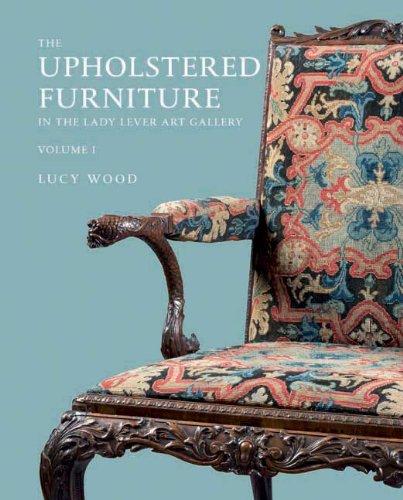
Tracking down the chair should be relatively easy.  The model is a very famous one – but it seems there are actually 6 of them (not 5 as Moss Harris stated in the 1929 article).  One was sold by Moss Harris to Lord Lever in 1915 and remains at the Lady Lever Art Gallery in Liverpool – it was illustrated on the cover of Lucy Wood’s monumental study of ‘Upholstered Furniture’ published in 2008. 

A set of four of the chairs eventually made their way to Frank Partridge & Sons, the leading London antique dealers, trading in New Bond Street, and were exhibited together at their Summer Exhibition in 1949 – the current whereabouts of these four chairs is not known?

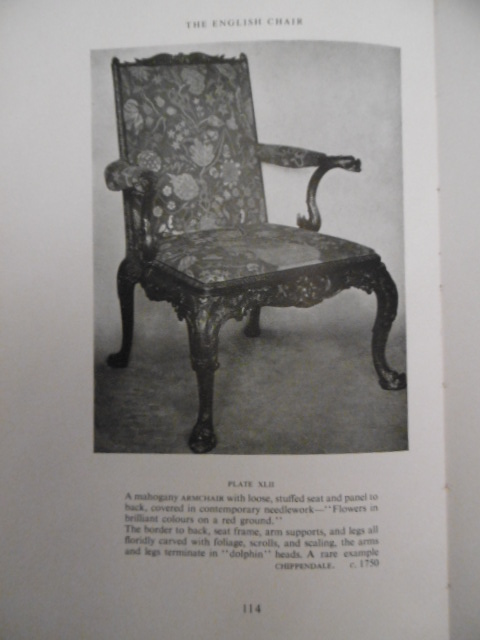
But it seems that Moss Harris did keep his word and never actually sold the final chair of the 6, the one that Moss Harris is actually sitting on in 1929.  The chair, so Moss Harris’ mentioned in the 1929 Bazaar article, was exhibited at the ‘Exhibition of Art Treasures (1928) organised by The British Antique Dealers’ Association (BADA) at Grafton Galleries; probably item no.134 ‘A Chippendale stuffed-back easy chair, with carved mahogany scroll arms, carved frame and scroll legs, circa 1760’.  It was also still in his possession in 1937, when it was illustrated in the book, published by M. Harris & Sons, called ‘The English Chair’ (1937, republished 1947) – here is the chair; and the cover to book and the image of the chair.


The chair was eventually sold posthumously (Moss Harris died in 1941) at a Christie’s auction sale on November 9th 1944 (lot 114, where Harris is recorded as the owner in the Christie’s archives – and thanks again to Kate, Leela, Lucy and Sarah for this information) – the buyer was recorded as Sir S. Bairn(?). But it seems that the chair was acquired by that other famous antique dealer firm, Mallett & Sons sometime after 1944, and was sold by them to the collector Brigadier Clark, who gifted the chair to the V&A in 1956. And here is Moss Harris’ chair:

W.16-1956. Image courtesy of the V&A Museum, and copyright V&A Museum.


There’s still some ambiguity in the history of this set of ‘Chippendale chairs’ – it’s certain that Moss Harris retained the chair – it was, as I say, sold posthumously at Christie’s in 1944.  But there’s also some contradictions in the story that Moss Harris recalled about his acquisition of the chairs sometime ‘before the War’. Lucy Wood also tells us that the chair in the Lady Lever Art Gallery, the one sold to Lord Lever by Moss Harris in 1915 (when Harris was at that stage, working with the established dealer D.L. Isaacs), was, according to the records at Lady Lever Art Gallery, originally purchased by Harris at a Christie’s auction in London on 10th June 1915 – so not the ‘300+ miles away from London’ that Moss Harris recalled in the 1929 article.

But perhaps Moss Harris’ memory was unclear, or perhaps he spun a story for the reporter? Either way I’m pretty sure that the chair that now resides at the V&A Museum is indeed the ‘Treasure’ that Moss Harris ‘Would Not Sell’.  And in that sense it’s an amazing discovery.

Mark


July 25, 2016

‘BADA Voices’ Oral History Interview – John Bly

Print We did our 2nd in the new ‘BADA Voices’ Oral History interviews last week – this time in the interviewees’ chair was John Bly, of John Bly Antiques. John Bly Antiques was established by 1891, but the business itself has roots into the early 19th century, begun by John’s Great-Grand father William Bly, in Tring, Hertfordshire.  John’s grandfather, also called John Bly, operated as a cabinet-maker, house furnisher and dealer in antique furniture at 22 High Street, Tring by the early 1890s – and here’s an early photograph of the shop of ‘J.Bly’ at 22 High Street in 1907.

John Bly 22 High St Tring 1907

J. Bly, 22 High Street, Tring, 1907. Photograph from John Bly.

In a wonderfully engaging and fascinating interview, John tells us of the history of the Bly businesses, and of how he started in the antique trade over 50 years ago! John left school to work at Sotheby’s in Bond Street, London, where he was employed in the Silver Department, marking up lots for sale; he left Sotheby’s at the age of 19 to work for his father, Frank Bly, in 1960, and continues to run the business, with his son James, from locations in Tring and in the Kings Road, London.

john bly 2016

John Bly, in London, 2016.

John’s infectious enthusiasm for the antique trade is evident in the conversation – he tells us of his first job, driving the Northampton-based antique dealer Jack Roberts’ around auctions and dealerships in the early 1960s; and of the importance of his two ‘mentors’, Michael Brett (then of Broadway, Worcestershire) and the Nat Ayer, of Bath and London – who was, so we learn, the son of the famous songwriter Nat D. Ayer (1887-1952) – writer of, amongst other songs, ‘If you were the only girl in the world…’ (1916)

John also tells us of his life as a T.V. personality – he is famous, as many of you will know, as one of the experts on the BBC ‘Antiques Roadshow’ – but he began his career as T.V. antiques expert as long ago as 1969/1970 on a show for Thames Television called ‘Looking at Antiques….’, before moving on to a programme in the mid 1970s called ‘Heirlooms’.  He has been on the ‘Antiques Roadshow’ since the 2nd series, in 1980.

John’s father, Frank Bly, is perhaps most well-known for the sale of the famous ‘Kimbolton Cabinet’ to the Victoria & Albert Museum in 1949. John rehearses the fascinating tale of the acquisition, and eventual sale of the cabinet to the V&A, during the interview – it is, by now, quite a well-known story, but John’s regaling of how the cabinet was loaded on to the flat-bed truck, and covered in a tarpaulin sheet, is still worth hearing again.


kimbolton

The Kimbolton Cabinet, c.1775. Photograph, copyright the Victoria & Albert Museum, London.

John obvious positive energy comes across strongly in the interview, as he talks about the changes to the antique trade in the past few years, and the prospects for the future of ‘antiques’.  And as with all our other interviews, our interview with John will, once edited, be made available via the Antique Dealer project websites – keep you eye of the sites for updates.

Mark

Home Subjects

a working group dedicated to the display of art in the private interior, c. 1715-1914

The Period Room: Museum, Material, Experience

An International Conference hosted by The Bowes Museum and The University of Leeds

H. Blairman & Sons Ltd

A research project investigating the history of the antiques trade in Britain in the 19th & 20th centuries

Museum Studies Now?

'Museum Studies Now?' is an event which aims to discuss and debate museum and heritage studies education provision.

The Burlington Magazine Index Blog

art writing * art works * art market

East India Company at Home, 1757-1857

A research project investigating the history of the antiques trade in Britain in the 19th & 20th centuries