Our popular theme of Antique Shops Then & Now continues with part IV. This time we look to Scotland and one of the largest antique dealing businesses in Scotland, John Bell of Aberdeen.
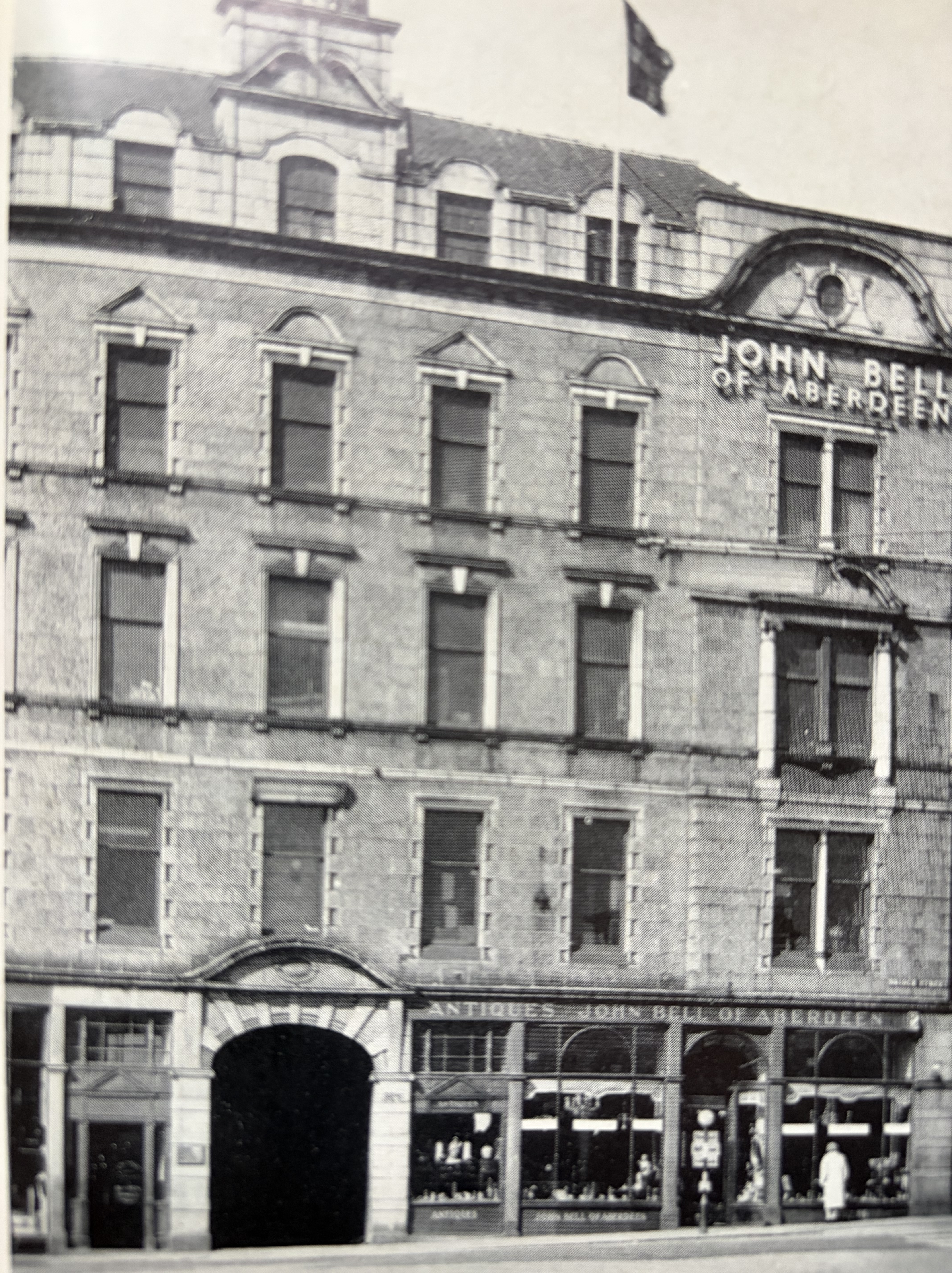
Below is John Bell’s shop at 56-58 Bridge Street, Aberdeen in the 1950s.
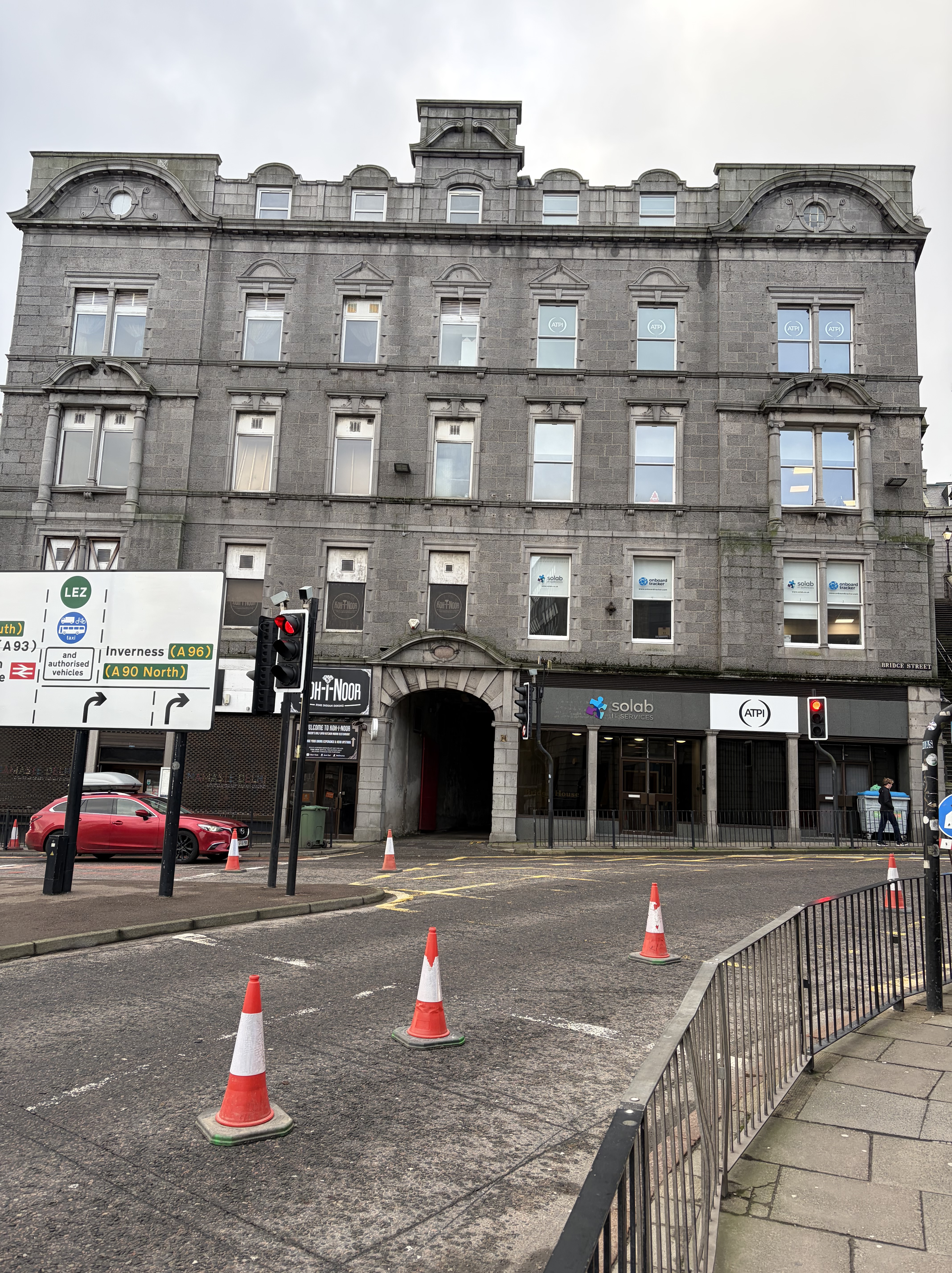
And here’s the same building in 2026; no longer an antique shop of course, but one can get a sense of the scale of the John Bell business in its heyday – it was an enormous operation, occupying half of the whole building in Bridge Street, over 4 floors.
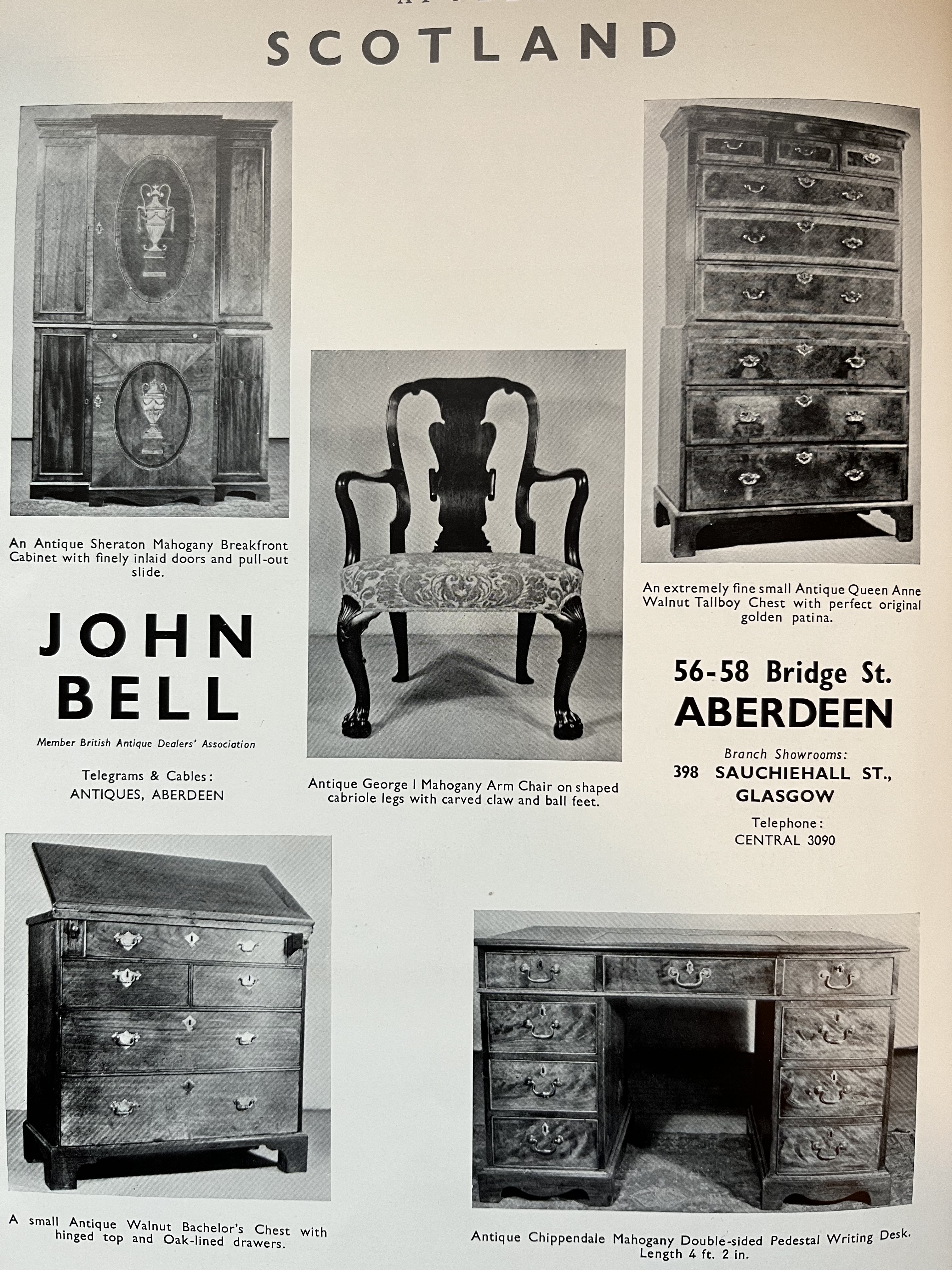
Some readers of the Blog may remember the advertisements of John Bell in various magazines; these were a constant presence from the 1920s up until the 1980s. Below is one of their adverts from 1938, when they were trading from their Bridge Street, Aberdeen shop (which they opened in the early 1930s) and at Sauchiehall Street in Glasgow. Bell had bought the famous antique dealing business of Robert Lauder in Glasgow in 1938 and their branch at 398 Sauchiehall Street was Lauder’s old shop. John Bell also opened another branch in Braemar in the 1950s, only open during the Spring and Summer, no doubt to key into the Scottish tourist trade.
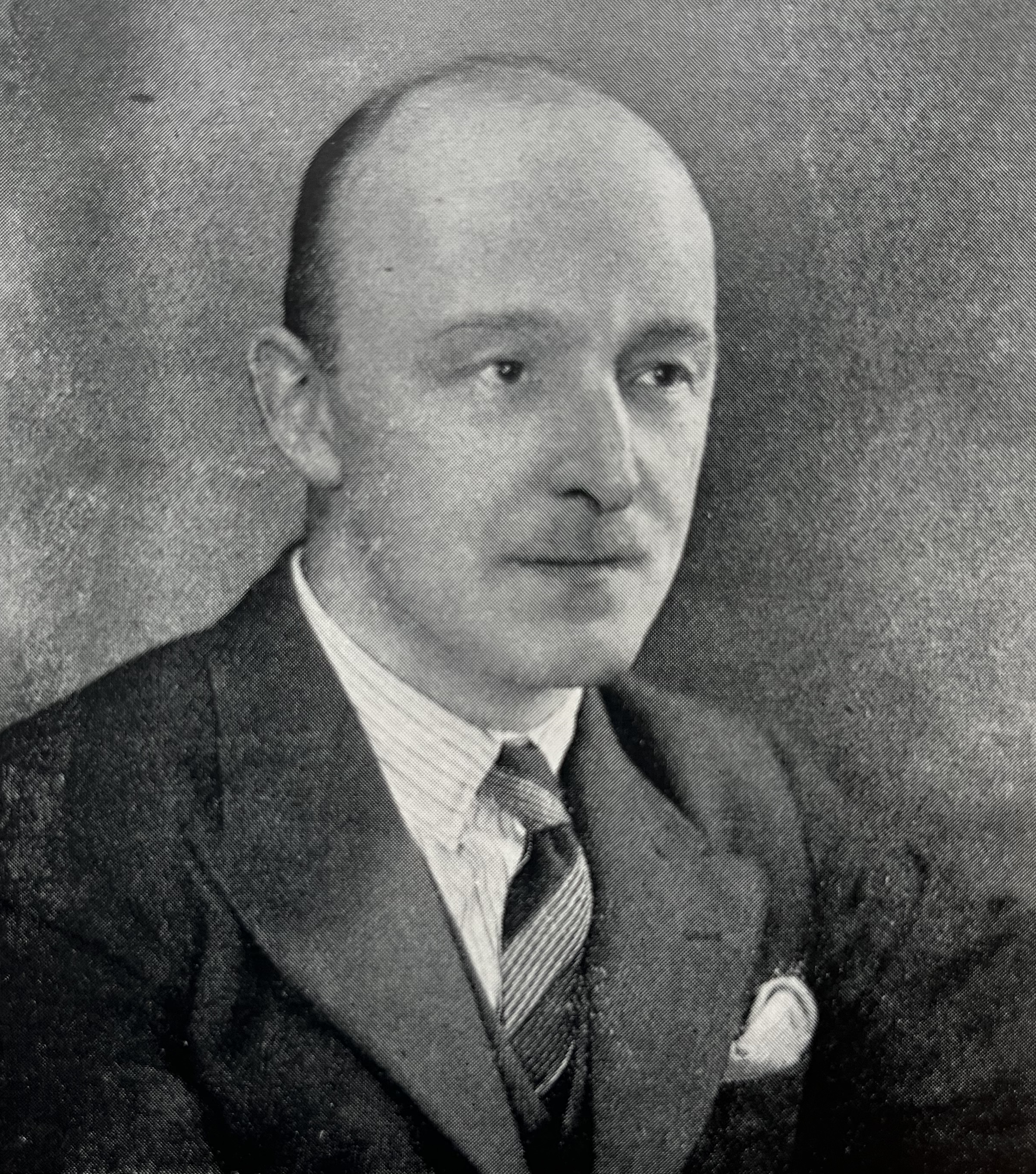
John Bell was established in 1905 and became of the most successful and important antique dealers in Britain. John Bell (1870-1914) sadly died in 1914, and the antique dealing business was continued by his son, W.S. Bell (1898-1973), who was only 16 years old at the time of his father’s death. Here’s W.S. Bell in 1936, around the time he opened the Bridge Street shop.
William S. Bell expanded the business, creating one of the largest retail, wholesale and export antique dealers in the UK. They also built an extensive export trade with American dealers and collectors, sending vast quantities of antiques to the USA; as well as to the expanding markets for British antiques in Australia and South Africa. Here’s one of the showrooms in John Bell’s shop in Bridge Street in about 1957 (see below).
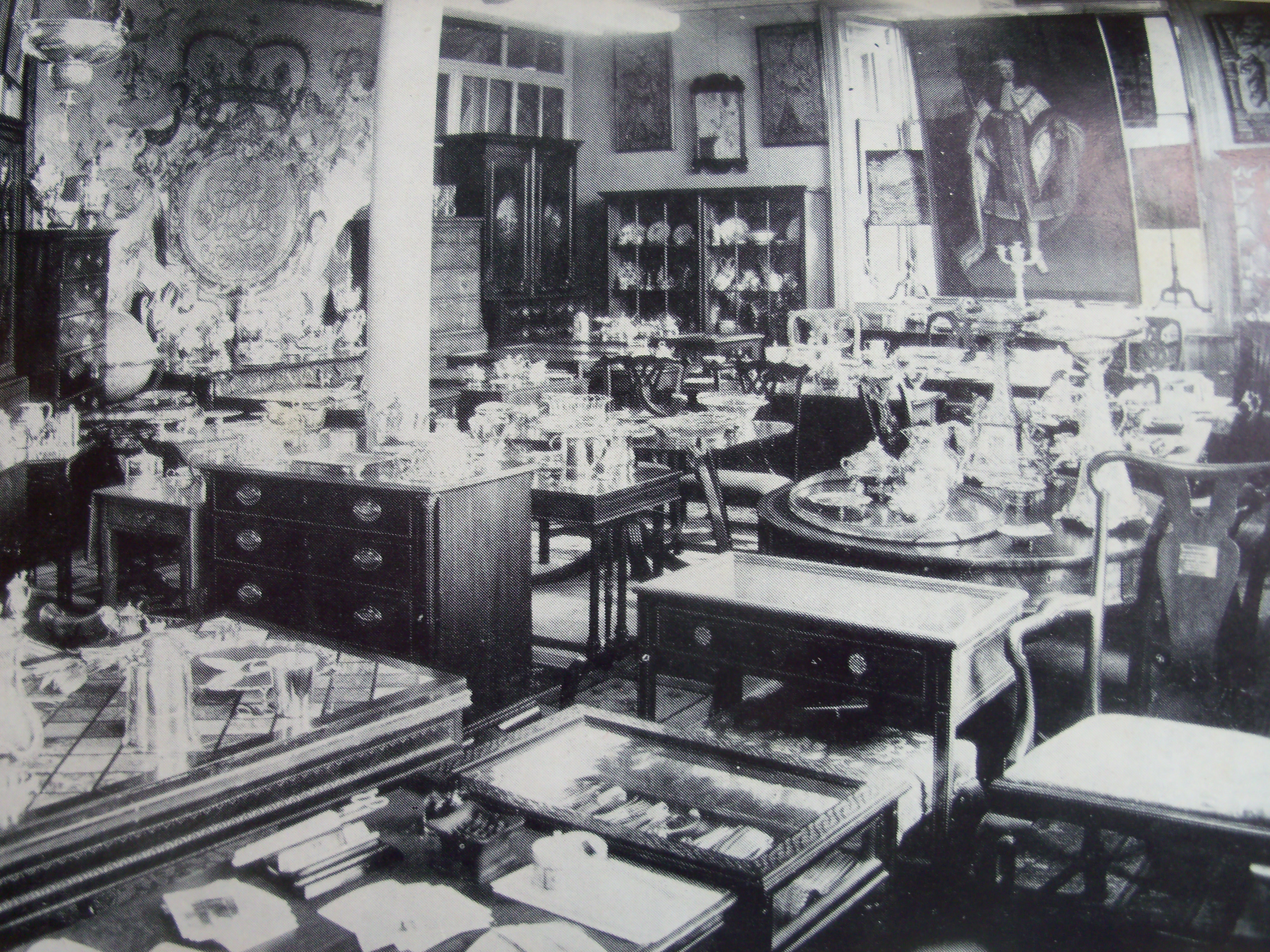
Bell’s shop is packed a range of antiques that would have been attractive to middle class antique collectors and furnishers in the 1950s – 18th century furniture dominated, but as you can see also on display is extensive amounts of antique sliver, as well as antique ceramics and some paintings and tapestries.
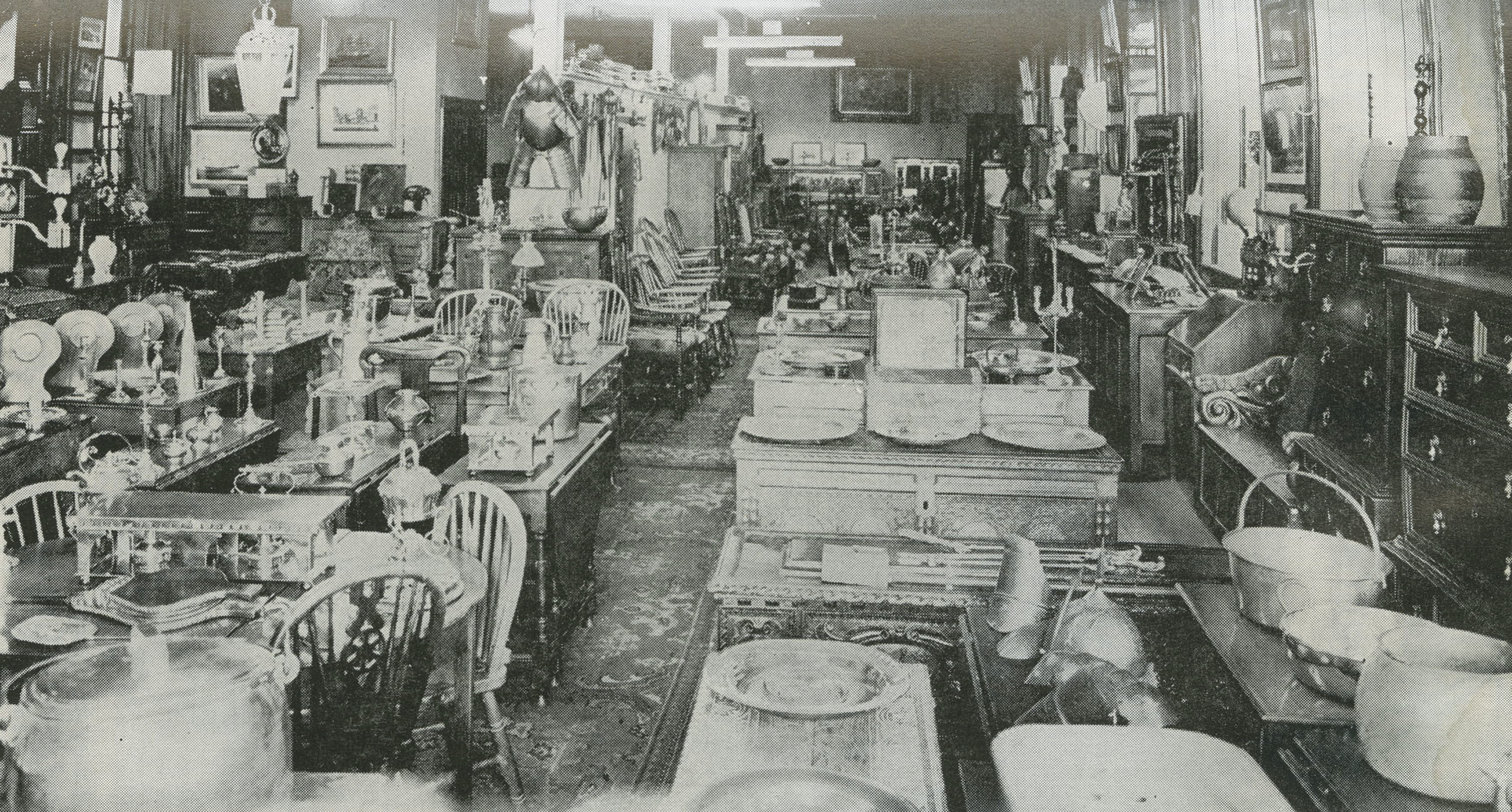
One gets a sense of the sheer scale of John Bell’s business in this other image of another showroom in the Bridge Street antique shop (also from the 1950s) – (see below). This showroom looks much more aimed at the wholesale and export markets, with antiques stacked in rows; there’s also earlier antique furniture for sale (mostly 17th and 18th century oak) as well as a much wider range of collectables, suitable for export.
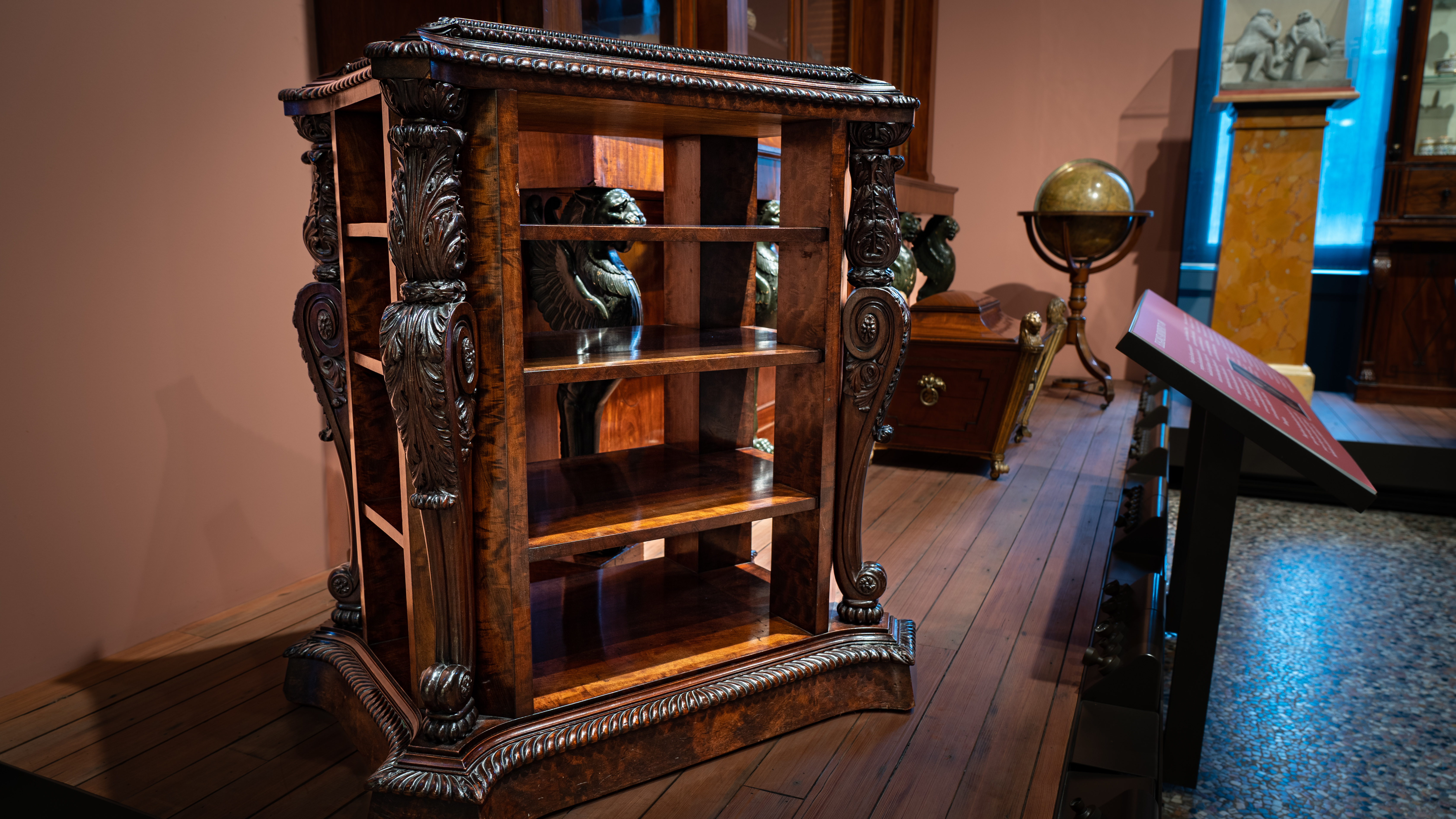
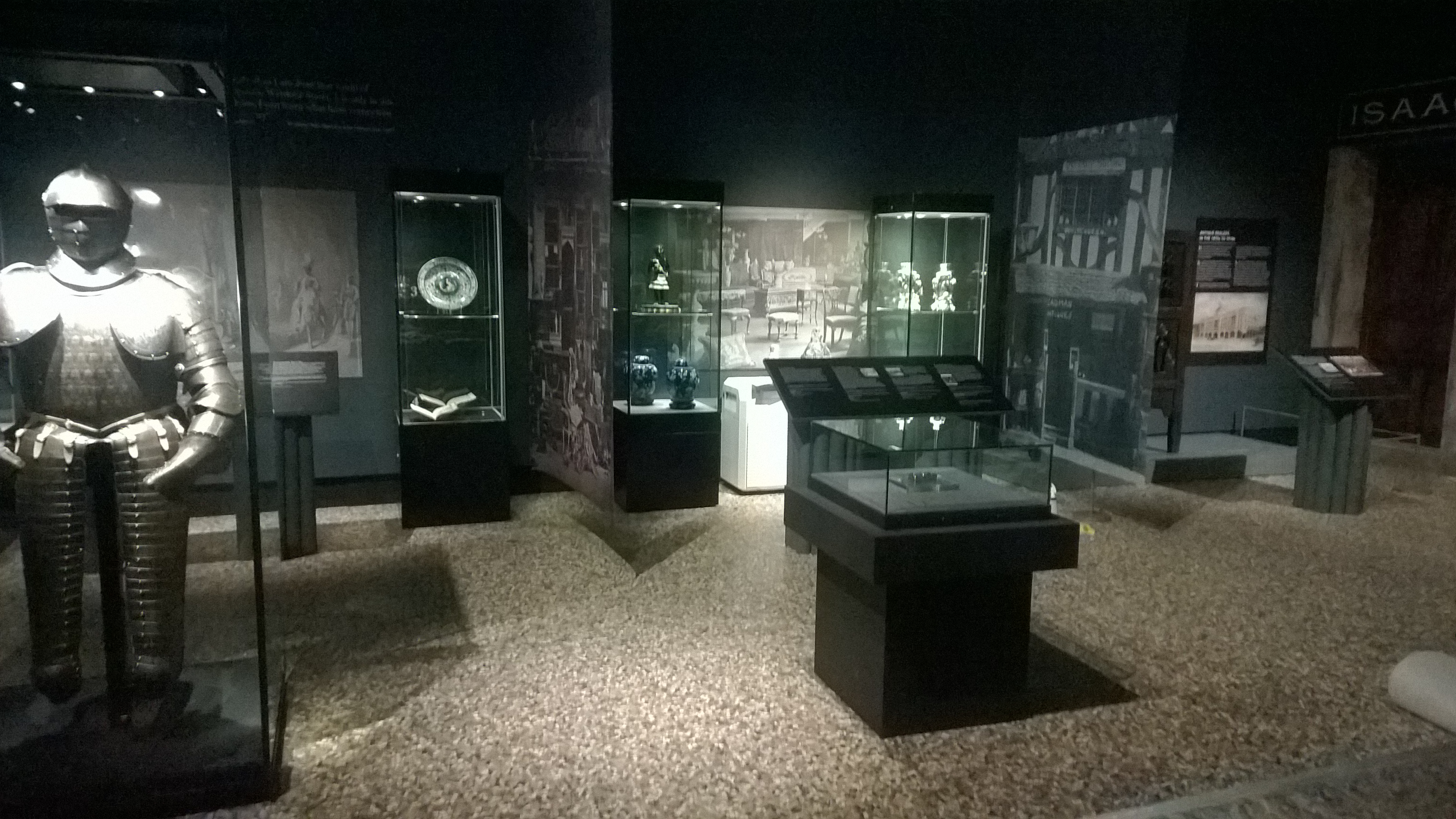
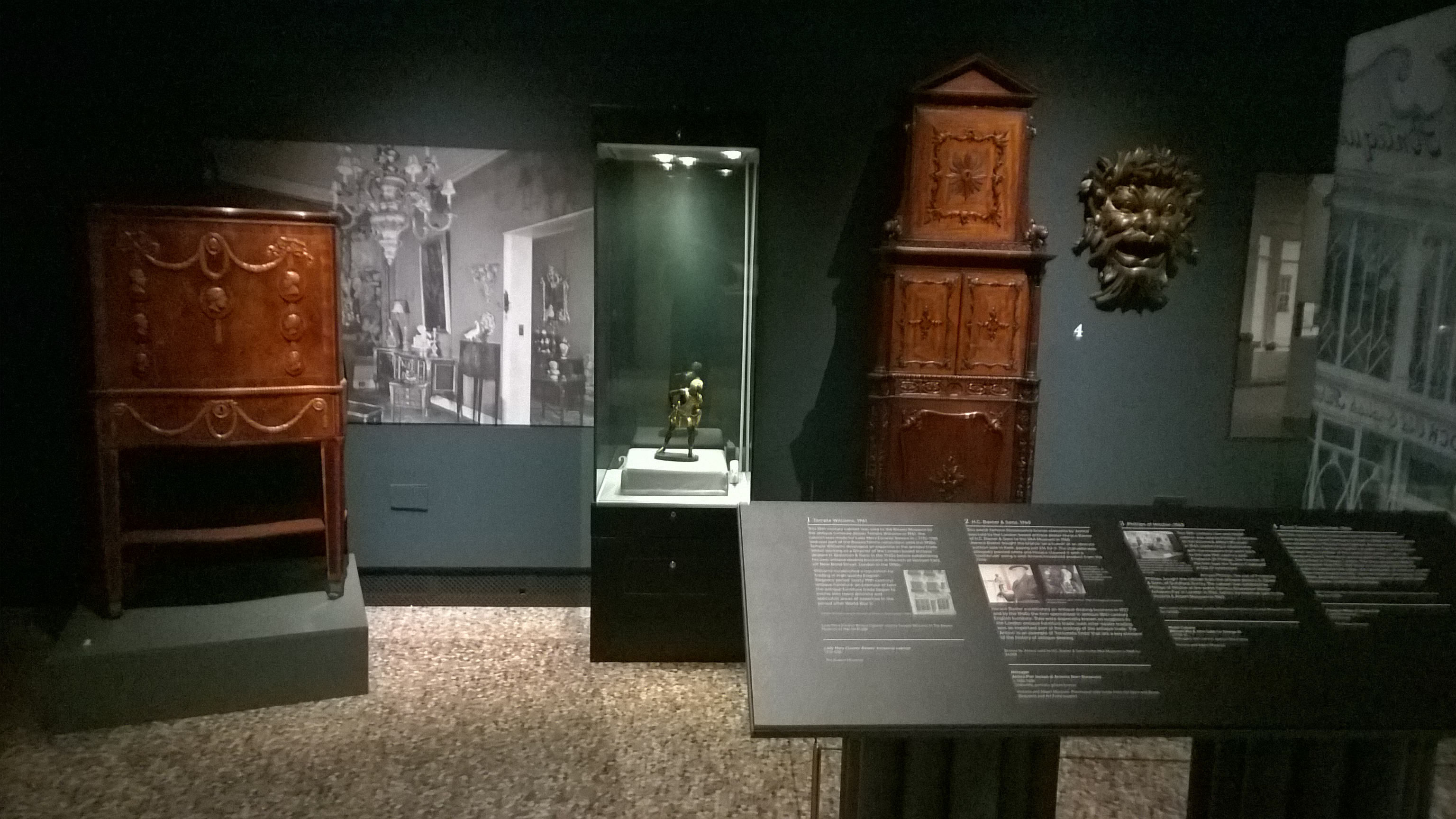
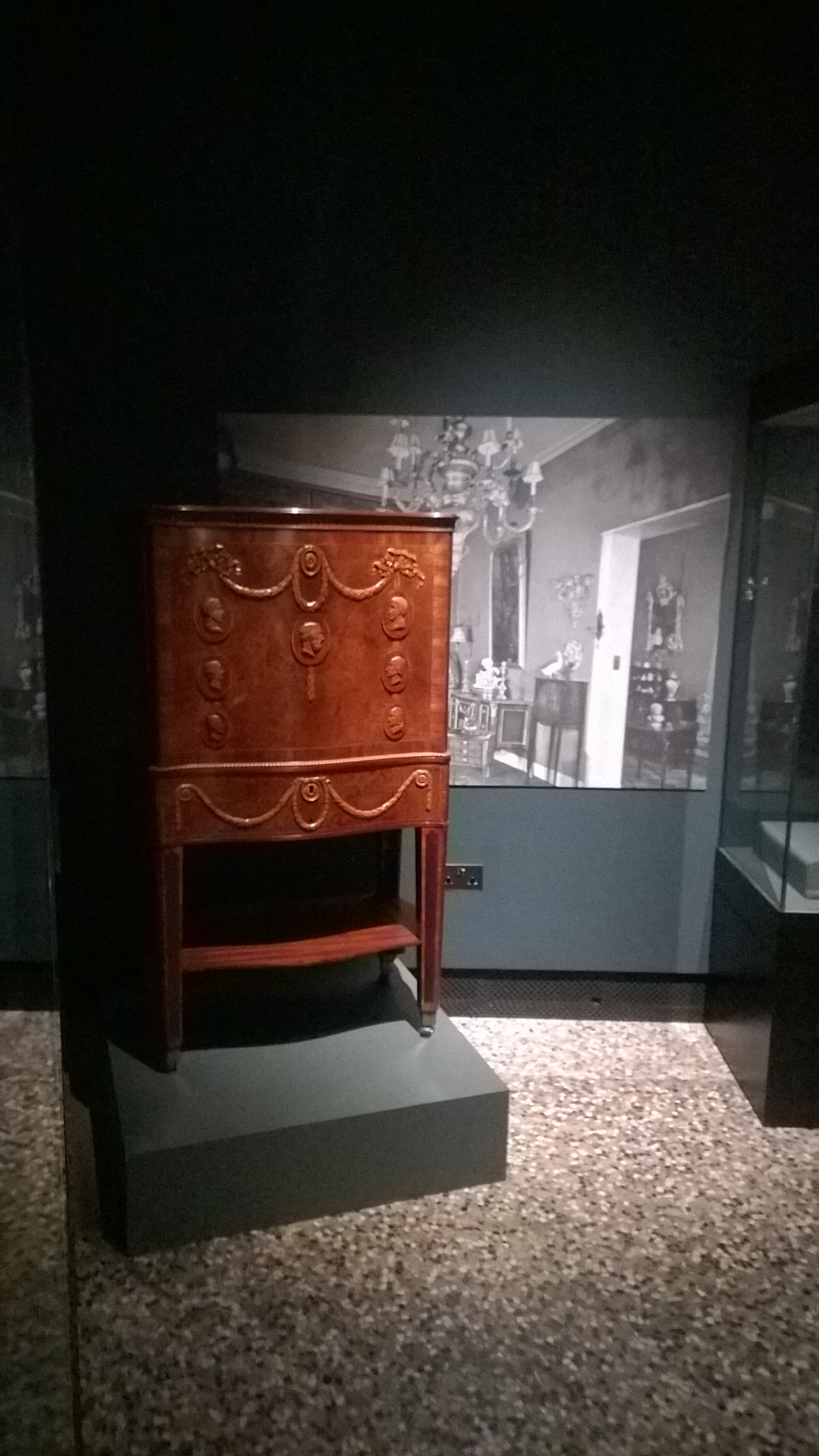
John Bell of Aberdeen are the subject of one of the little films in our Project – ‘Sold! The Year of the Dealer’, and we are very excited to announce that the YoD is finally being launched to the public on 1st April 2026. The John Bell antique in the Year of the Dealer films is in the suite of 10 films at The Bowes Museum in Barnard Castle – it’s an early 19th century bookcase, which was sold to The Bowes Museum by John Bell of Aberdeen in 1962 (so about the time of the photographs of John Bell’s shop) for £195. Here’s the bookcase (see below).
The YoD films will soon be available to view – in fact we’re going to do a series of posts on the research blog about the YoD project in the coming weeks – so do keep your eye on the Blog!
Mark








 antiquedealersblog