Posts tagged ‘Oral History’

May 25, 2015

Even more oral history interviews

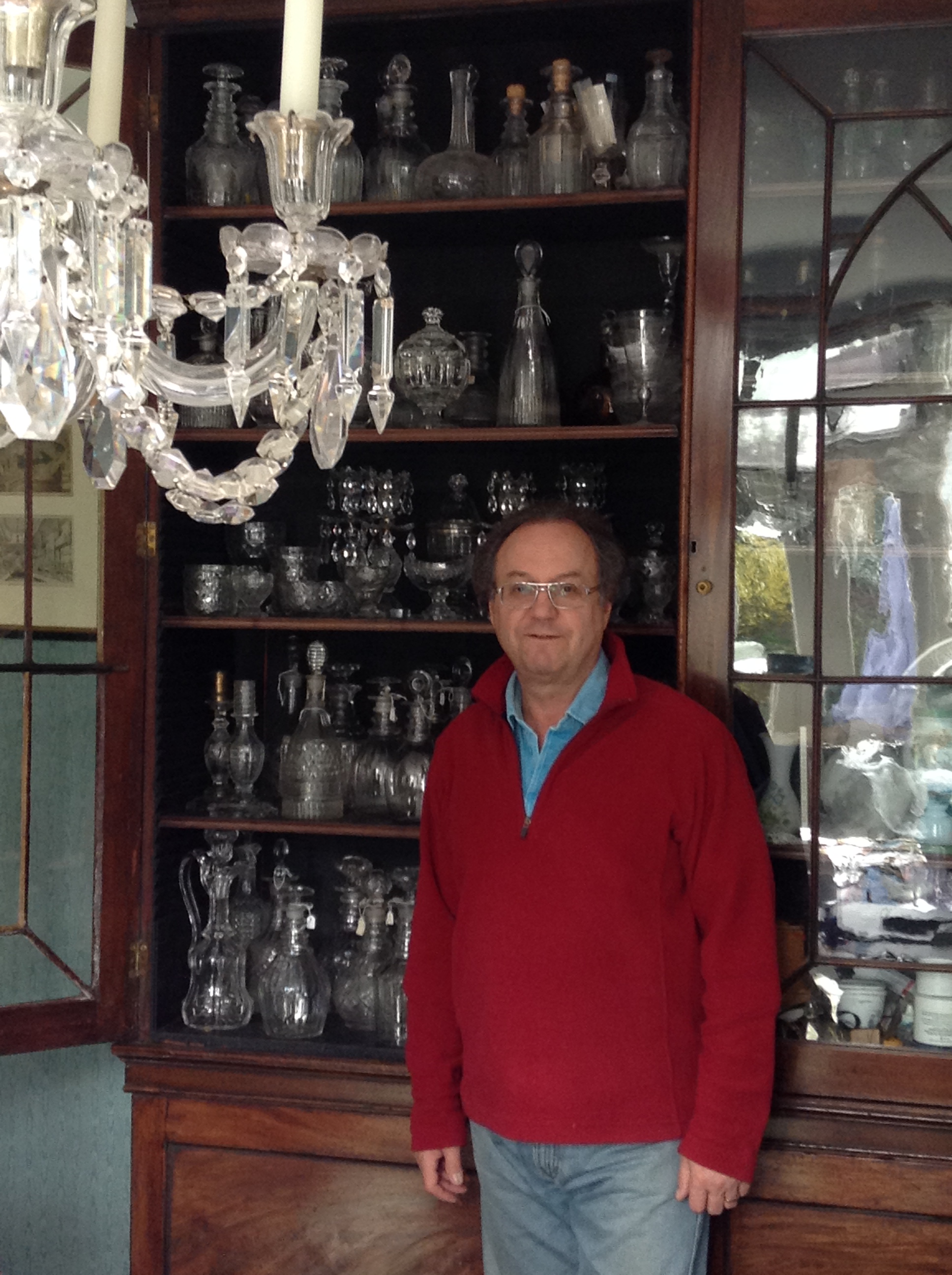
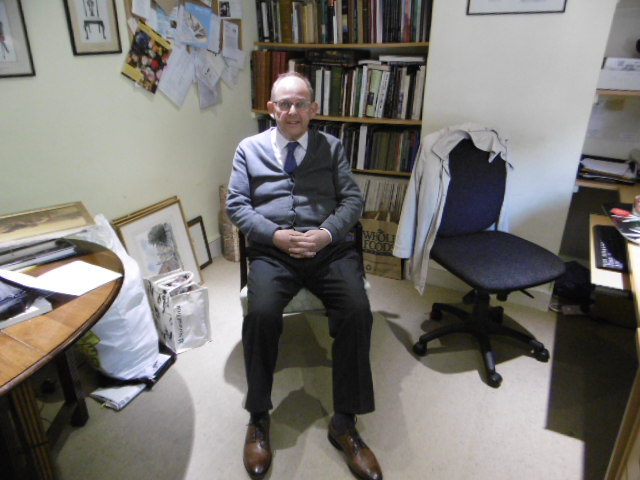
Martin Beazor 2015

Martin Beazor, 2015. Photo MW (Antique Dealers Project).

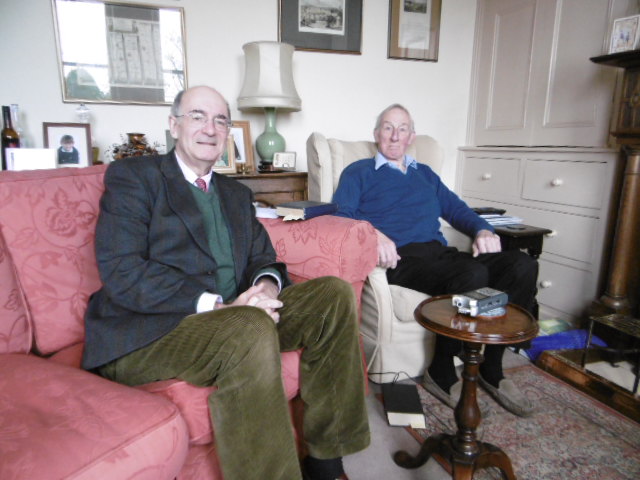
One of our latest oral history interviews with members of the British antique trade is with Martin Beazor, of John Beazor Antiques in Cambridge. Martin is the third generation of his family to run the antique business, which was established in Great Yarmouth in 1875.
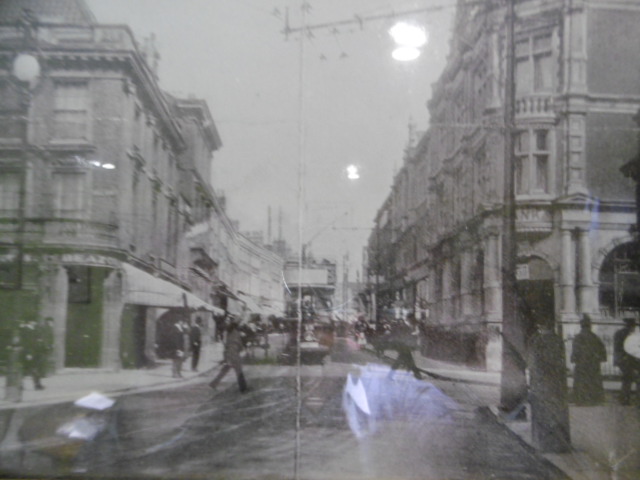
Beazor antiques Hall Quay great yarmouth

John Beazor Antiques, Hall Quay, Great Yarmouth, c.1900. Photograph courtesy of Martin Beazor. Copyright Martin Beazor.

In a very wide-ranging interview (lasting 2 hours!) Martin told us about the start of the firm, by his great-grandfather John Martin Beazor, in a shop at Hall Quay in Great Yarmouth – the shop is on the left-hand side of the photograph (c.1900) looking up Hall Quay – apparently King Edward VII was once a visitor.

The Beazor family may have started in the carriage trade, before moving on to become antique dealers; they are one of a small number of dealers still trading that were established in the 19th century. Martin’s grandfather, John Beazor continued the business, moving to their current location in Regent Street, Cambridge in 1940 – taking with them, so Martin recalls, a very smart 18th century grand entrance door salvaged from a merchant’s house in Great Yarmouth.

Martin also showed us a rare interior photograph of the Beazor antique shop in Great Yarmouth….a fascinating illustration of the taste for antiques in c.1910.
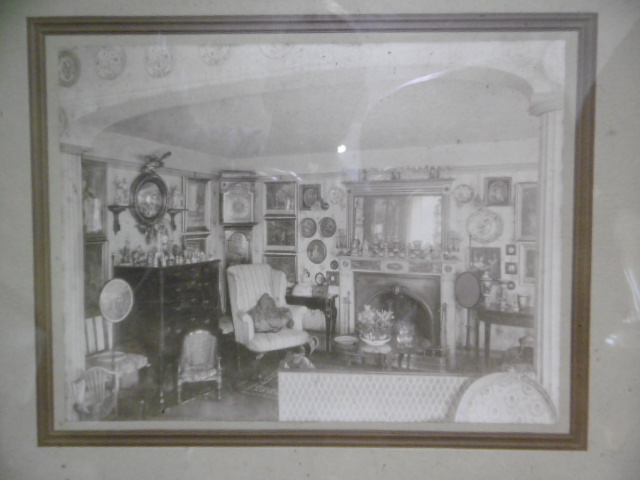
John Beazor antiques great yarmouth c.1910

John Beazor Antiques – interior of Great Yarmouth shop, c.1910. Courtesy of Martin Beazor. Copyright Martin Beazor.

And here is John Beazor, Martin’s grandfather –
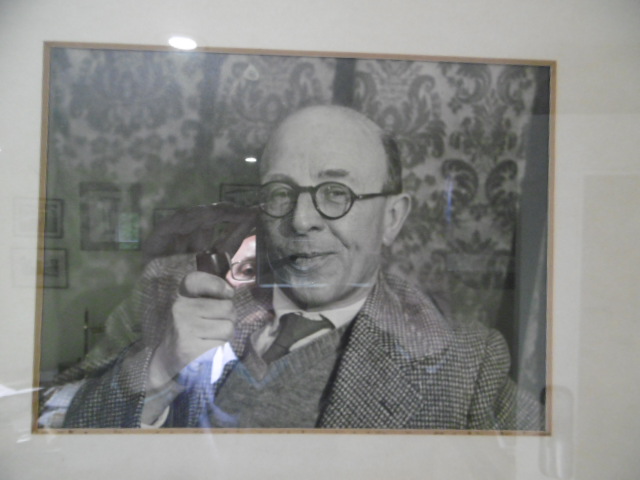
John Beazor martins grandfather

John Beazor, Martin Beazor’s grandfather. Photograph courtesy of Martin Beazor. Copyright Martin Beazor.

Martin had very fond memories of working with his father, Keith Beazor, during the 1970s and 1980s – Martin joined the firm in 1973, when he was in his early 20s – including a fascinating anecdote about how his father managed to acquire an important ‘Hepplewhite’ partner’s desk from another dealer, which was eventually sold by Keith Beazor to Asprey in London.

The interview with Martin also includes reflections on the changing structure and practices of the antique trade over the past 40 years, and recollections on several well known dealers. As with all of the interviews we are undertaking as part of the research project, the interview with Martin will be available via the project websites.

Mark
May 24, 2015

More Oral History Interviews

Our oral history interviews are gathering pace – we’ve completed 4 more interviews in the last few weeks….and we’ll post details of all of the interviews in the next few days…but in the meantime, one of our latest interviews was with Christopher Claxton Stevens, late of the leading dealers in Antique English Furniture, Norman Adams, of Hans Road in London. Christopher was interviewed by our Research Fellow, Lizzy Jamieson.

Christopher Claxton Stevens photo 1

Christopher Claxton Stevens. Photograph courtesy of Christopher Claxton Stevens.

Christopher joined Norman Adams Antiques in 1981, after beginning his career at Christie’s – and joined Stewart Whittington in running the business, which was then, unusually, a trust, following the death of Norman Adams in 1979.  Norman Adams (established in 1923) was well known for his ‘eye’ for colour and the patina of antique furniture, and this concentration on the aesthetic, over the privileging of provenance or history of antique furniture, placed Norman Adams in a particular tradition of dealers – and it was pleasing to hear that this particular tradition was continued by Christopher and Stuart.

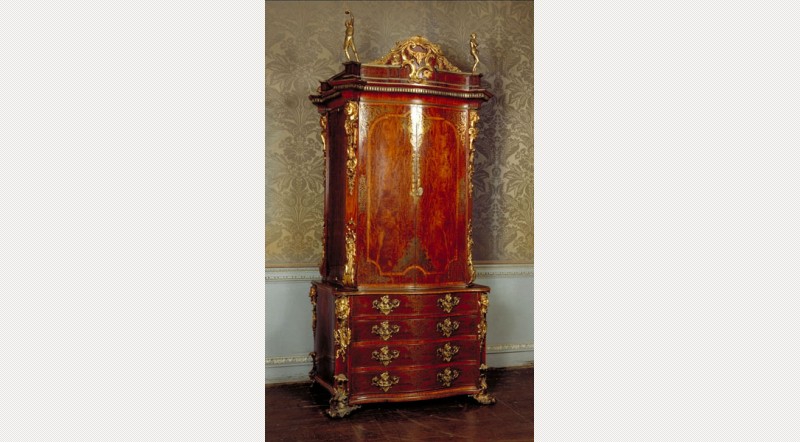
Our interview with Christopher provided a personal insight into the history of the firm and included a fascinating range of first person perspectives on the business, including Christopher’s role in the sale of the famous ‘Murray Cabinet’ to Temple Newsam House, Leeds, in 1986 – the Murray Cabinet had already been through the hands of Norman Adams in 1950, when it was sold by Adams to the collector Arthur Ball; it was then re-purchased by the firm following the death of Ball and was subsequently sold by the firm to Temple Newsam House – here is the magnificent cabinet, still on display in Leeds:

murray

The Murray Cabinet, Temple Newsam House. Courtesy of Leeds Museums & Galleries.

Our interview with Christopher is part of a fascinating series of interviews with antique dealers, all of which will soon be available via the project websites – so do watch this space for updates!

Mark

May 3, 2015

Oral Histories making progress – interview with Andrew Burne

The oral history research strand in the Antique Dealers research project continues to make progress – we still have a HUGE list of people to talk to though!

In January, Chris Coles, one of our most active and supportive volunteer researchers, undertook an oral history interview recording with Andrew Burne, of the antique glass specialists W.G.T. Burne (Antique Glass) Limited. W.G.T. Burne are based in London, and were established by Andrew’s father in 1936.

Andrew Burne

Andrew Burne, of W.G.T. Burne (Antique Glass) Limited. Photo courtesy of Andrew Burne.

In a wide-ranging interview, Andrew told us about the early history of W.G.T. Burne – his father initially worked for the well-known specialist glass dealer, and author, Arthur Churchill, before setting up on his own in 1936. Andrew also shared his memories of other specialist glass dealers, including Delomosne and Maureen Thompson. There were also fascinating stories about buying trips taken with his father, and the early morning starts to buy in the antique markets at Bermondsey and Portobello in London….as well as an occasion when the actor and singer Dean Martin came into the shop. W.G.T. Burne sold many things to major collectors and museums, and also sold chandeliers to The White House, and Buckingham Palace.

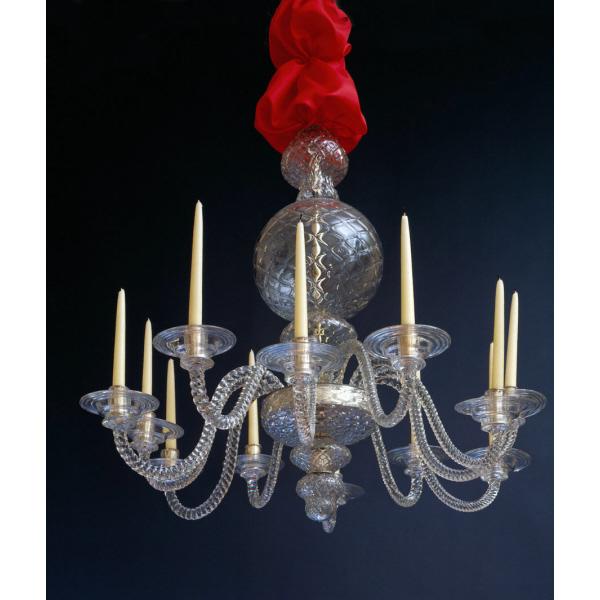
Amongst the ‘good finds’ that Andrew remembered was one of a set of early 18th century glass chandeliers, originally from Lincoln Assembly Rooms, which were bought from an auction at Christie’s South Kensington – the chandelier is now in the collections of Saint Louis Art Museum, in the USA. In the interview, Andrew recalled that the chandelier was sold by W.G.T. Burne to Hotspur, but it seems that the eventual dealer who sold the object to Saint Louis Art Museum (in 1993) was H. Blairman & Sons (see provenance information on the chandelier on the Saint Louis Art Museum Collections online).  Here’s a photograph of the chandelier from the museum website – and it’s a spectacular thing!

lincoln assembly room chandelier

Glass Chandelier, c.1740, from Lincoln Assembly Rooms. Saint Louis Art Museum. Funds given by Mr and Mrs Joseph Pulitzer and museum purchase, 1993. Image from Saint Louis Art Museum website.

An edited version of the oral history interview with Andrew (and all of the oral history interviews) will be available soon via the Antique Dealer project website.

Mark

December 31, 2014

Oral History Interviews – Tony Lumb

We continue with our Oral History Interviews – the latest dealer to be in the spotlight is Tony Lumb, 3rd generation antiques dealer of the firm Charles Lumb & Sons, of Harrogate.

Tony Lumb (Dec 2014)

Tony Lumb (Dec 2014)

P1000121

Mary Lumb, with Tony Lumb, 2014

P1000120

James Lomax and Tony Lumb. 2014

For this interview Tony was also joined by his wife Mary Lumb who worked with Tony at their antique shop in Harrogate. We also had excellent help for the interview by James Lomax, curator emeritus, Temple Newsam House, Leeds, who acted as 2nd interviewer.  James posed some great questions and also had fascinating memories of the relationships between Temple Newsam House museum and the antique trade.

During the interview Tony recalled the history of the firm of Charles Lumb & Sons, from the early beginnings of his grandfather, Charles Lumb, who established the business in Harrogate in 1907, to when his father (Frank Lumb) and his uncle (Reg Lumb) joined the business before WWII, and when Tony first joined the business in 1956, aged just 20. We learnt that Tony’s grandfather trained as a cabinetmaker in Dewsbury, Yorkshire, and started a furniture making and restoration business in Harrogate in 1907, in a workshop in what is now Montpellier Mews, before opening an antique shop at 34 Montpellier Parade in 1947 – the firm expanded into further premises in Montpellier Parade in the 1960s and remained in Harrogate for the whole history of the firm.

The interview provided fascinating insights into the history of Charles Lumb & Sons, the changing practices of the antique trade, and Tony’s memories of other antique dealers, and the long list of international clients, collectors and museums that the firm supplied. Charles Lumb & Sons eventually closed their Harrogate business in 2012 – after over 100 years of trading in Harrogate – and as Tony said – ‘in 100 years, they moved 100 yards’! – they must have enjoyed Yorkshire!

As with the other oral history interviews, once we get around to editing and etc., the interview with Tony, Mary and James, will be made available via the project websites, sometime during early 2015.

Mark


September 28, 2014

Oral History Interview – Jerome Phillips

We interviewed Jerome Phillips earlier this month – of the well-known dealers ‘Phillips of Hitchin’, established in the 1880s, and still trading from the same address at the Manor House in Hitchin.  Jerome, photographed below is sitting in the main entrance hall at the Manor House.  P1000018

The firm of Phillips of Hitchin was begun by Jerome’s grandfather, F.W. Phillips in c.1884, and Jerome told us about the history of the business, and his experiences since he joined the firm in the early 1960s.  The interview with Jerome will form part of the oral history archive of the antique trade and will be available via the project websites later this year, so keep your eye on the developments as the project progresses.

Mark

August 13, 2014

Oral History Interviews – Bill Beaton

We completed another of our oral history interviews on Monday 11th August – up at Kinross in Scotland, with William (Bill) Beaton.  Bill is in his 80s and retired from antique dealing about 25 years ago!  He started his antique dealing activities with his father, Walter Beaton, in about 1946 just after WWII, at his father’s shop at 37 Albert Square, Dundee.  Walter had opened his shop in c.1930, following 10 years working for an antique dealer in Dundee named Norries, and Bill continued the business in Dundee until his father retired in 1963, when Bill took over and subsequently moved the shop to Perth in 1970. Both Walter and Bill were members of BADA – Bill acted as Vice President at one stage.

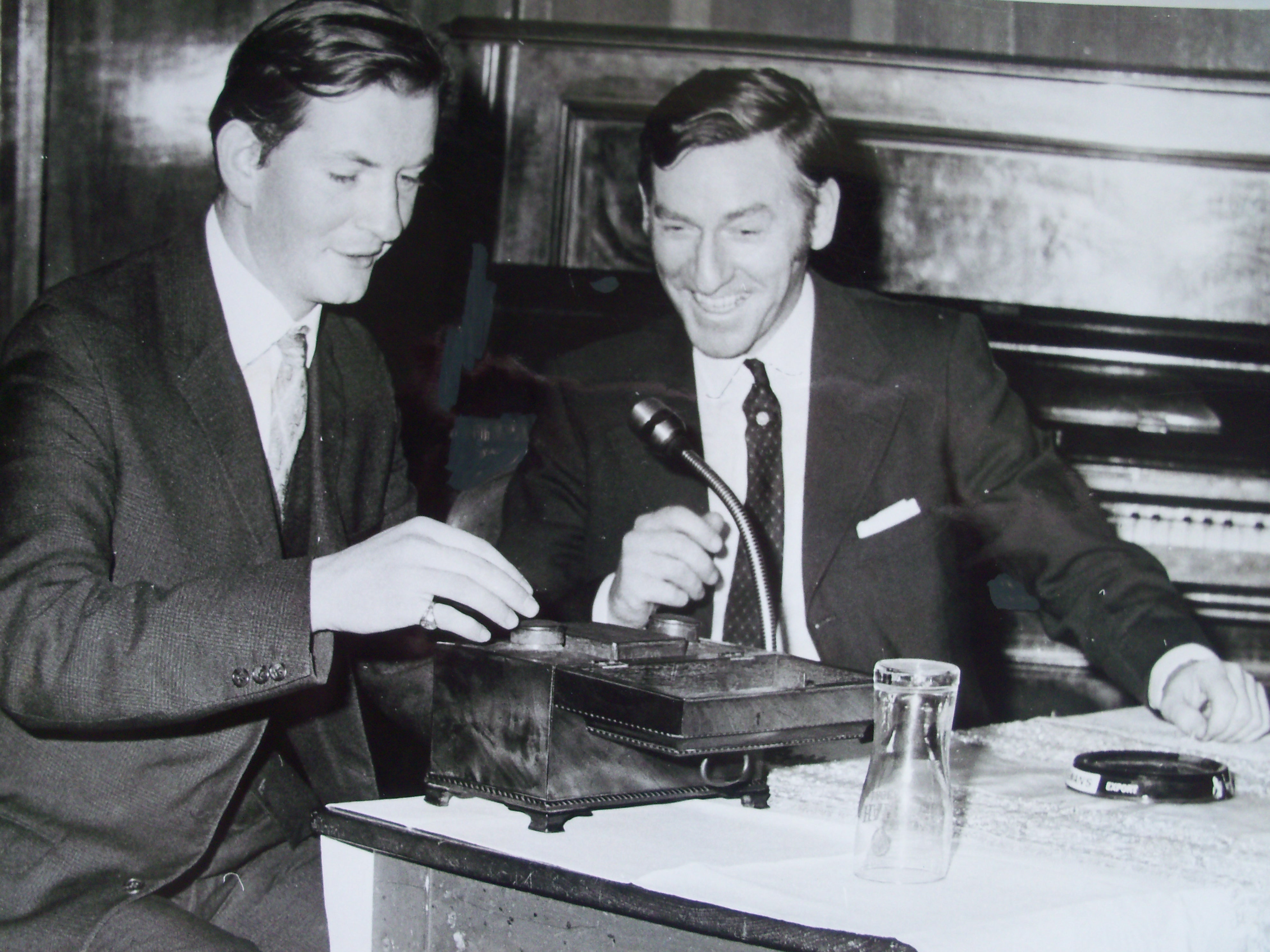
Bill Beaton (right) with Henry Fotheringham, c.1965. Copyright Perthshire Advertiser.

Bill Beaton (right) with Henry Fothringham, c.1965. Copyright Perthshire Advertiser. Courtesy of Bill Beaton.

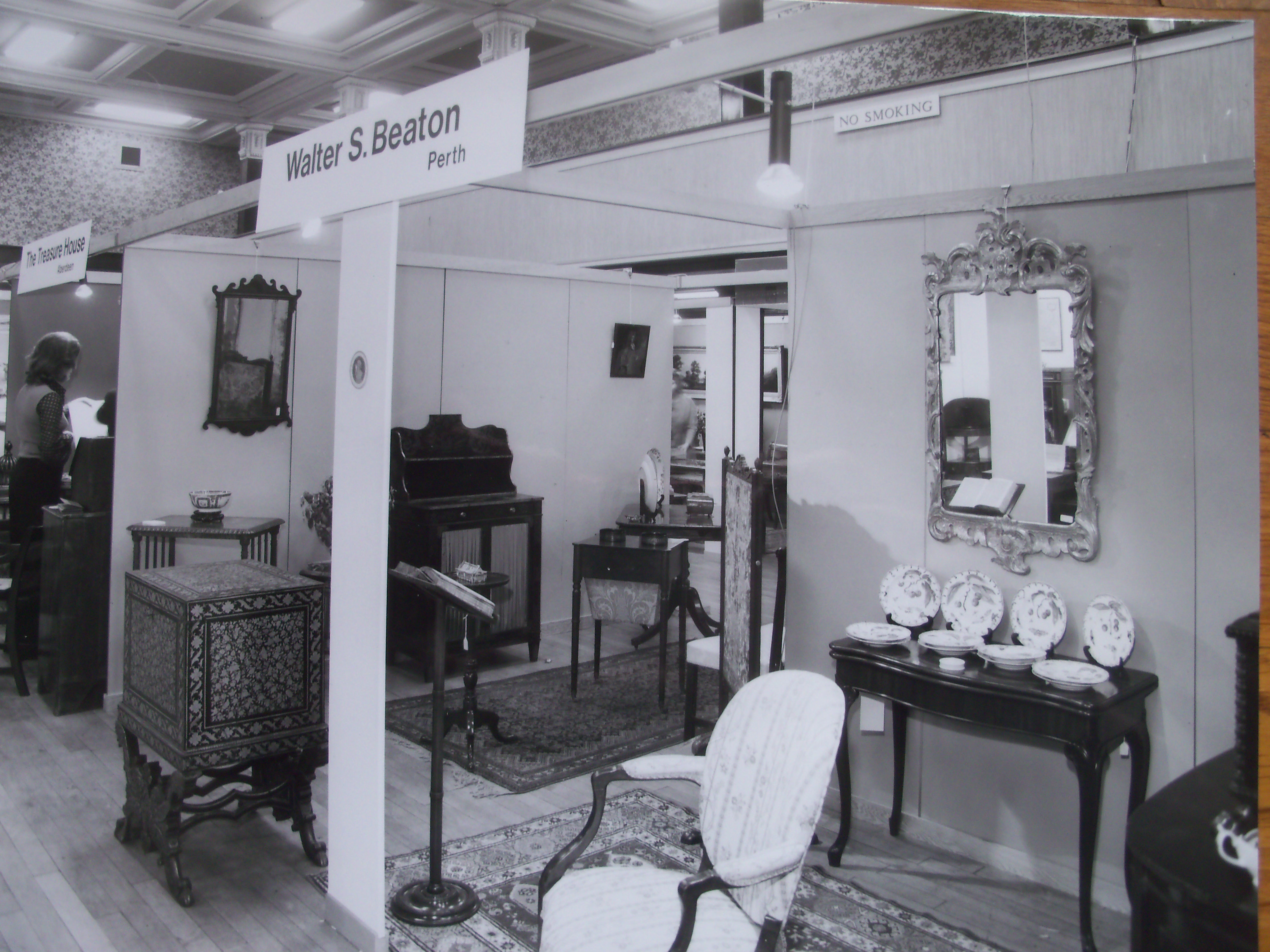
Here is Bill (on the right), in c.1965, with his friend and colleague Henry Fothringham (a member of the Angus family, who also traded as an antique dealer, under the trading name of Grantully Castle Antiques), at the ‘Scottish Antiques Fair’.  Incidentally Bill was one of the founders of the Scottish Antiques fair, which was held in Edinburgh between 1964 and the mid 1970s. Here’s Bill’s stand at the fair, in c.1965.

Courtesy of Bill Beaton.

Courtesy of Bill Beaton.

Bill and I talked for a few hours and he recalled his first country house auction sale, (Cusworth Hall, near Doncaster, in the 1950s – where his father had put him under the watchful guidance of the well-known dealer Walter Waddingham of Harrogate) and memories of fellow dealers, and objects that passed through his hands – including a rare painting by the 17th century artist Melchoir de Hondecoeter (bought from a furniture dealer in Harrogate in the 1960s) and a ‘Chippendale’ double partners desk from a well-known (Royal) Scottish country house!

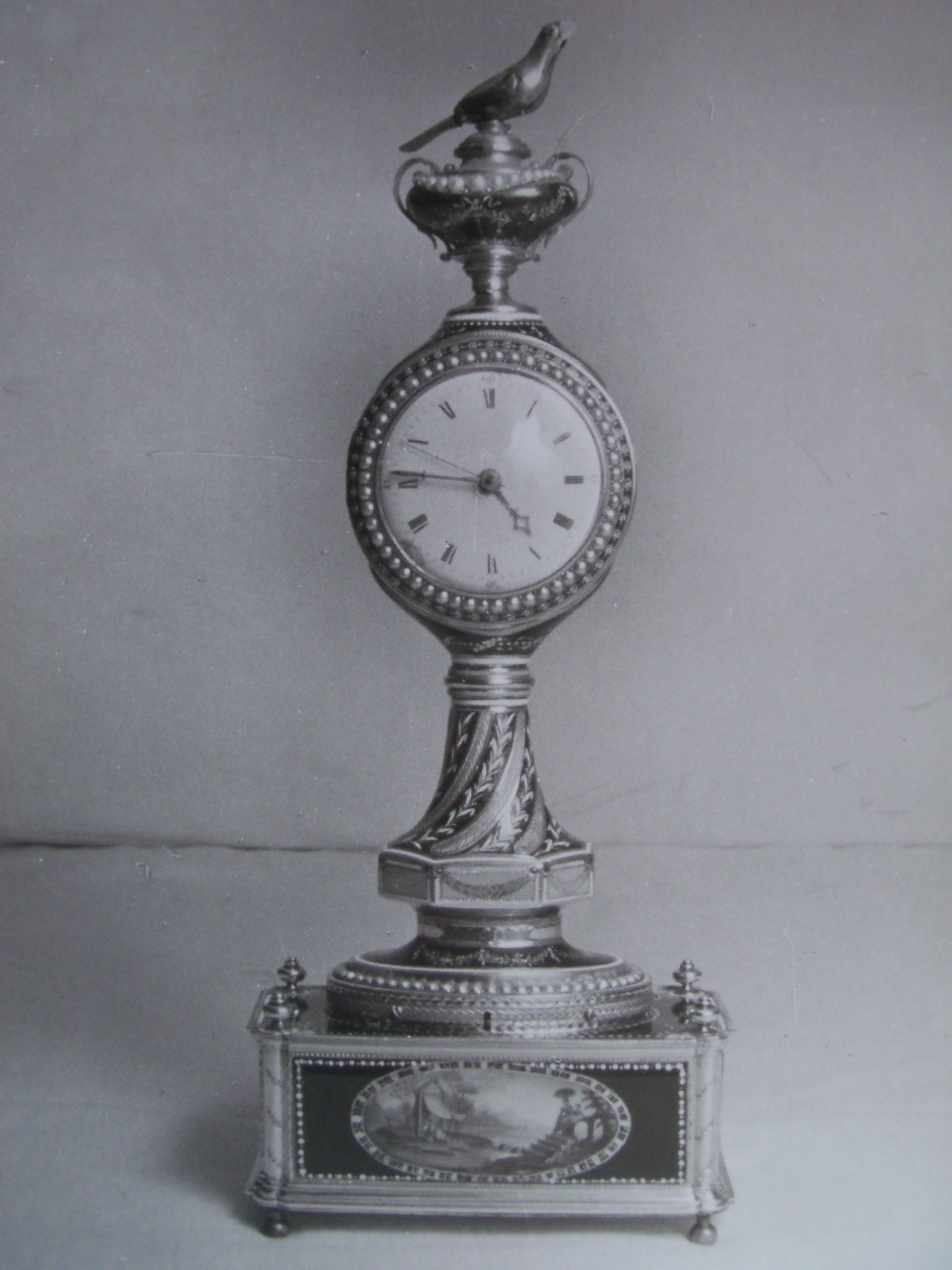
Amongst the many interesting things that Bill’s father sold was an 18th century  French clock by Jacques Droiz Leschot, which was also noticed by the writer of the Antique Yearbook for 1950 – who writes;

‘We found in the main Albert Square [in Dundee], number 37, the shop of Mr. W.S. Beaton [Bill’s father], where the 18th century mahogany furniture, the fine silver, the glass and Chinese porcelain were polished and in splendid condition, where a collection of snuff boxes was up to Bond Street standard, and where a gold and enamelled singing-bird clock by Jacques Droiz Leschot was one of the most precious works of art we had seen for many a month. You must visit Dundee and Beaton.’ (Antiques Yearbook, 1950, p.557).

Bill still remembered the clock after all those years, and actually found a B&W photograph of it!

Photograph courtesy of Bill Beaton.

Photograph courtesy of Bill Beaton.

You will be able to listen to the interview with Bill in a few weeks, once we’ve edited it and uploaded it to the project website.

Mark

May 24, 2014

Oral History Interviews – Kath’s Button Box

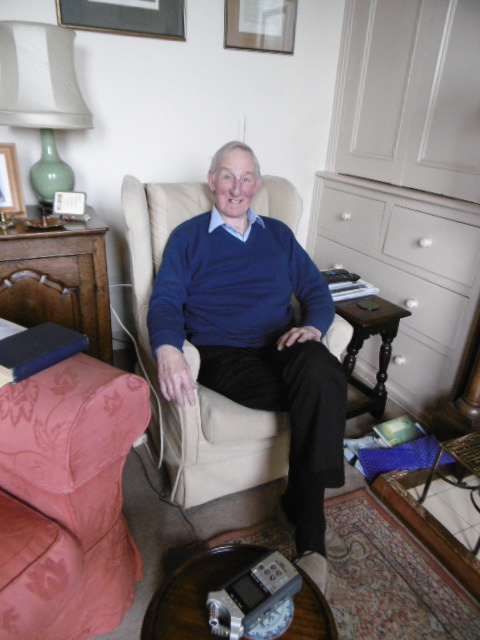
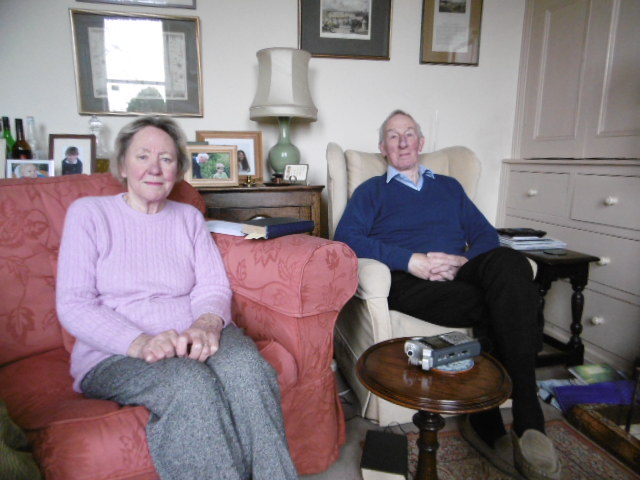
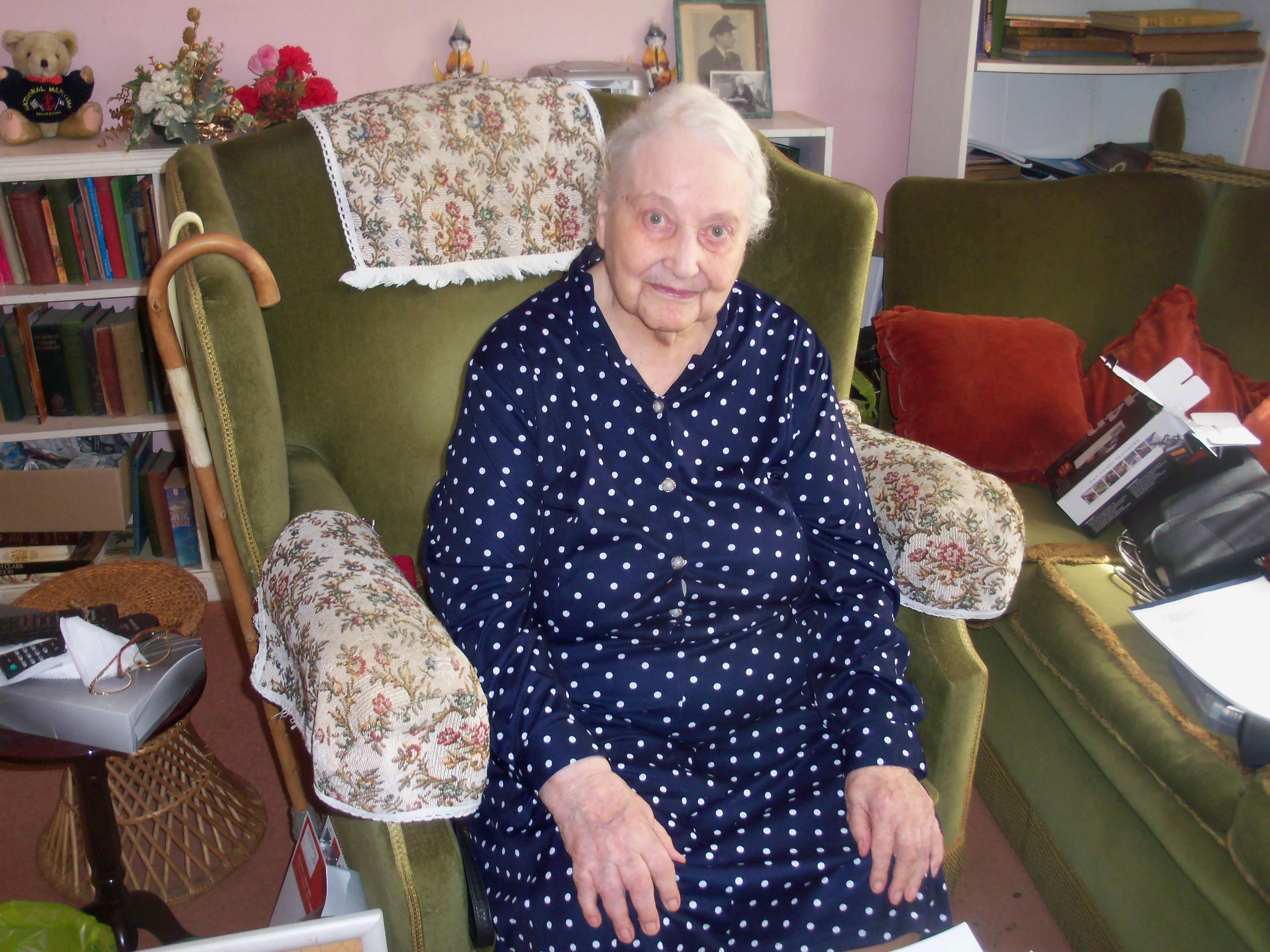
We’ve started the oral history interviews for the Antique Dealers project.  This week I interviewed Kathleen Skin, about her time at Portobello Road antiques market during the 1950s and 1960s; and her time at Grays Antiques market in the 1980s. Kathleen is 93 years old, and has absolutely fascinating memories about buying and selling a whole range of things. Here’s Kathleen, in her home at Cambridge.

Kathleen Skin May 2014

Kathleen Skin, 2014

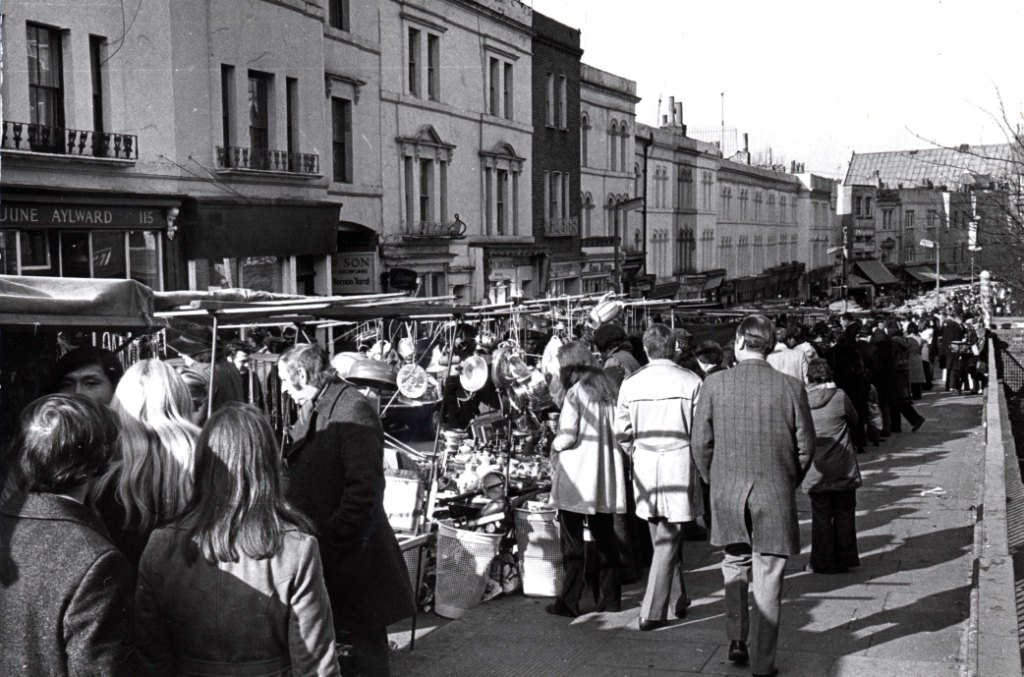
Kathleen told us about life on Portobello Road, antique dealing for ‘fun’, and some extraordinary things she bought – including a silver belt with Wedgwood ‘Jasperware’ plaques and a rare 18th century doll (which she sold to the Bethnal Green Museum of Childhood now the V&A Museum of Childhood). Kathleen began to specialize in buttons, (she still loves buttons!), and continued her trading at Grays Antiques Market in the 1980s, as ‘Kath’s Button Box’. Here’s some of the shops and stalls in Portobello Road in the mid 1970s……

Portobello Road in the 1970s

Portobello Road in the 1970s

All of the project interviews we are collecting , including the interview with Kathleen, will be archived and made available via the project website as the project develops.

Mark

Home Subjects

a working group dedicated to the display of art in the private interior, c. 1715-1914

The Period Room: Museum, Material, Experience

An International Conference hosted by The Bowes Museum and The University of Leeds

H. Blairman & Sons Ltd

A research project investigating the history of the antiques trade in Britain in the 19th & 20th centuries

Museum Studies Now?

'Museum Studies Now?' is an event which aims to discuss and debate museum and heritage studies education provision.

The Burlington Magazine Index Blog

art writing * art works * art market

East India Company at Home, 1757-1857

A research project investigating the history of the antiques trade in Britain in the 19th & 20th centuries