Posts tagged ‘Export/Import’

January 25, 2026

Antique Shops Then and Now part IV

Our popular theme of Antique Shops Then & Now continues with part IV. This time we look to Scotland and one of the largest antique dealing businesses in Scotland, John Bell of Aberdeen.

Below is John Bell’s shop at 56-58 Bridge Street, Aberdeen in the 1950s.
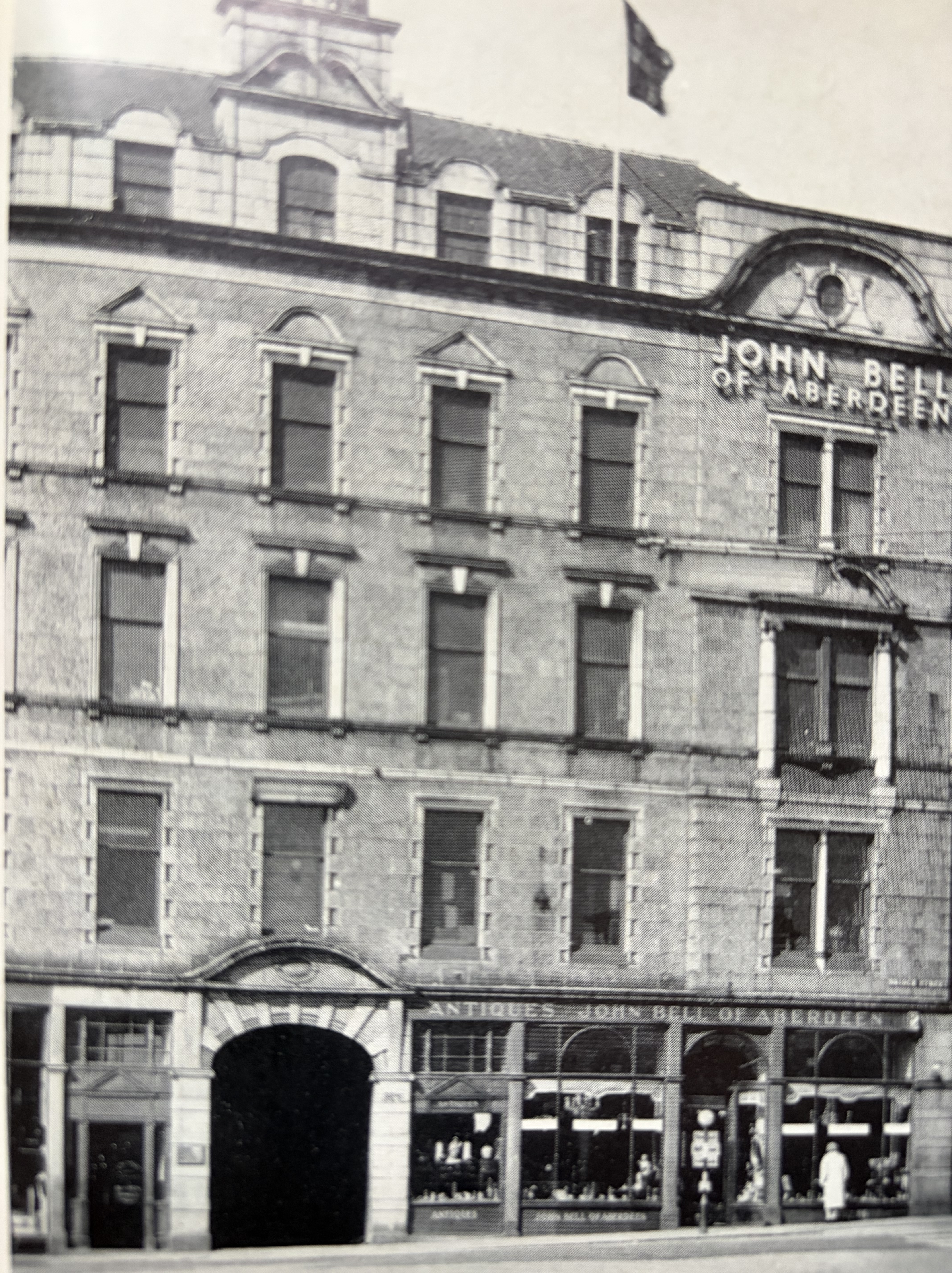
John Bell of Aberdeen, Bridge Street, Aberdeen, c.1957. Image Antiques Yearbook 1957/1958 (Tantivy Press). Photograph Antique Dealers Research Project, University of Leeds.

And here’s the same building in 2026; no longer an antique shop of course, but one can get a sense of the scale of the John Bell business in its heyday – it was an enormous operation, occupying half of the whole building in Bridge Street, over 4 floors.
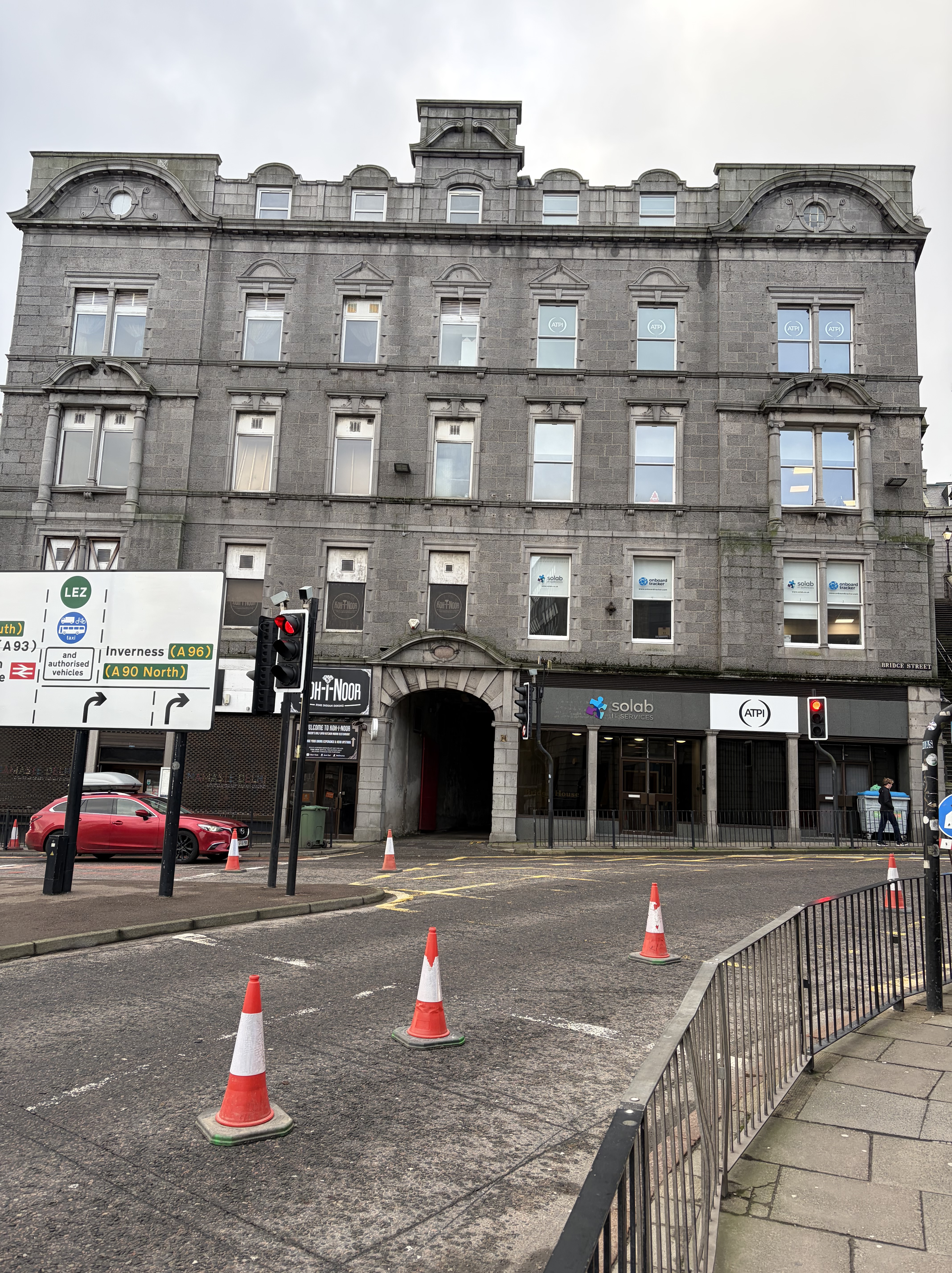
Bridge Street, Aberdeen, former antique shop of John Bell of Aberdeen, 2026. Photograph Antique Dealers Research Project University of Leeds.

Some readers of the Blog may remember the advertisements of John Bell in various magazines; these were a constant presence from the 1920s up until the 1980s. Below is one of their adverts from 1938, when they were trading from their Bridge Street, Aberdeen shop (which they opened in the early 1930s) and at Sauchiehall Street in Glasgow. Bell had bought the famous antique dealing business of Robert Lauder in Glasgow in 1938 and their branch at 398 Sauchiehall Street was Lauder’s old shop. John Bell also opened another branch in Braemar in the 1950s, only open during the Spring and Summer, no doubt to key into the Scottish tourist trade.
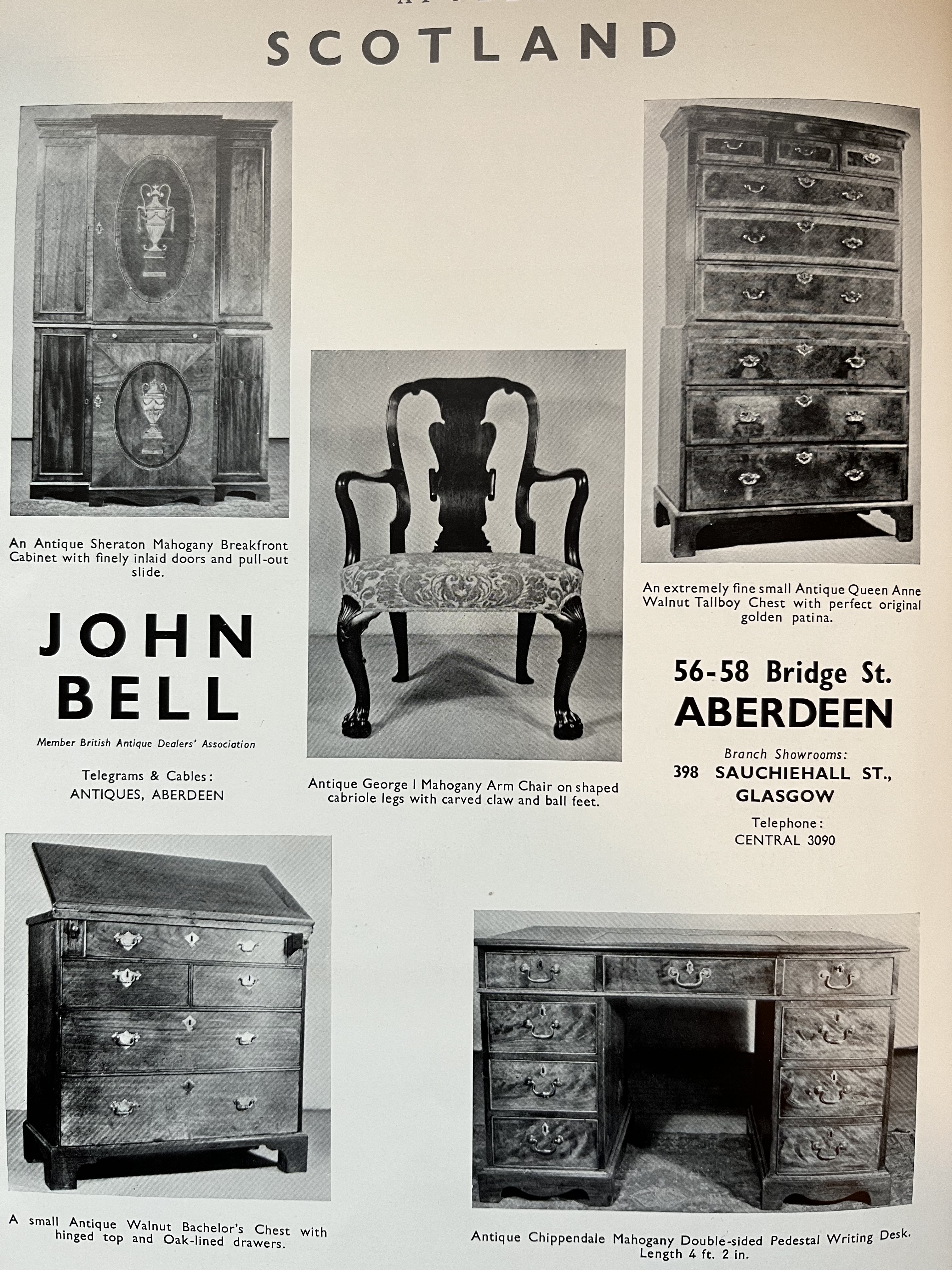
Advertisement for John Bell antique dealers, Apollo magazine, July 1938. Antique Dealers Research Project, University of Leeds.

John Bell was established in 1905 and became of the most successful and important antique dealers in Britain. John Bell (1870-1914) sadly died in 1914, and the antique dealing business was continued by his son, W.S. Bell (1898-1973), who was only 16 years old at the time of his father’s death. Here’s W.S. Bell in 1936, around the time he opened the Bridge Street shop.
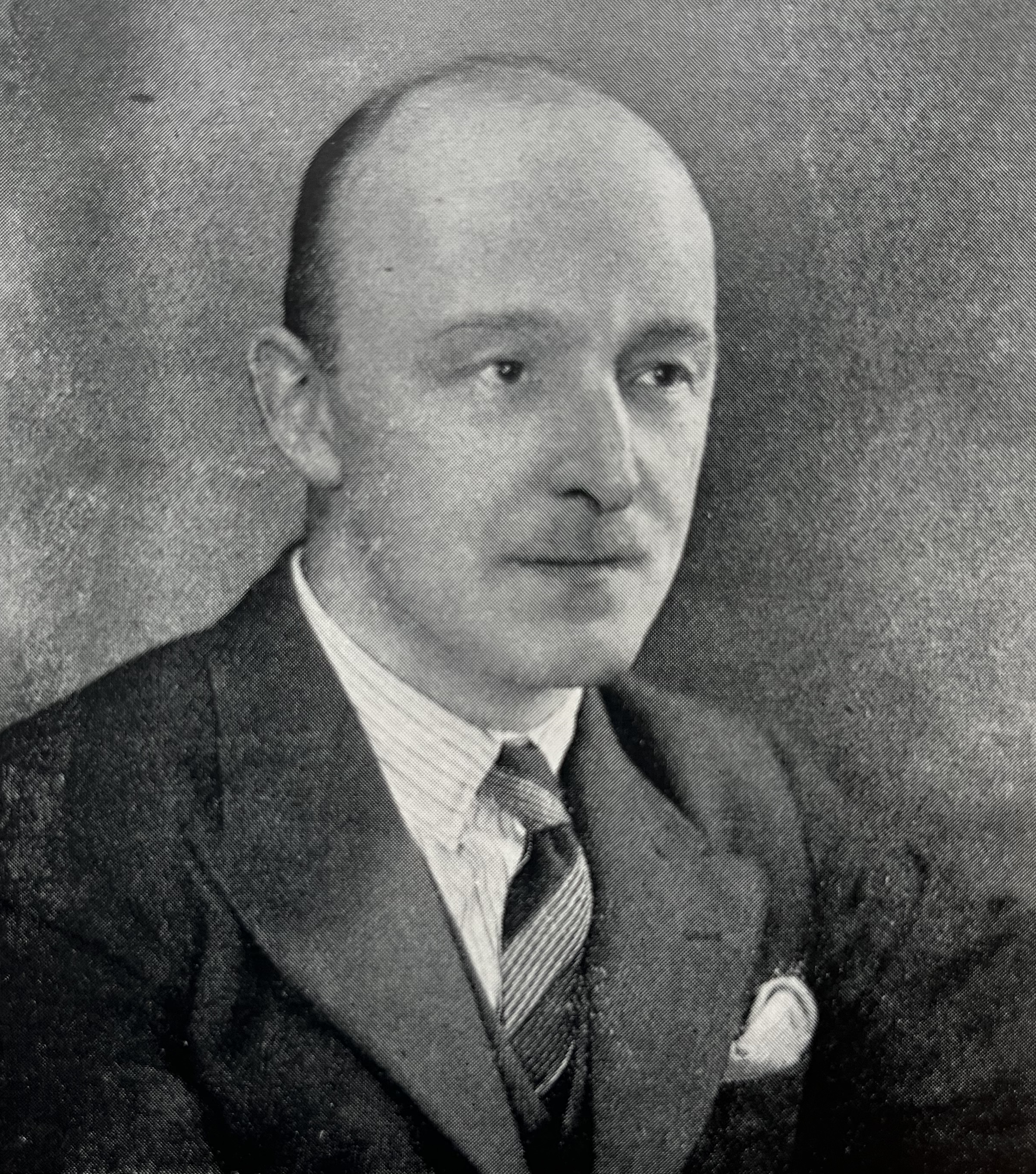
W.S. Bell, of John Bell of Aberdeen, 1936. Photograph Antique Dealers Research Project, University of Leeds.

William S. Bell expanded the business, creating one of the largest retail, wholesale and export antique dealers in the UK. They also built an extensive export trade with American dealers and collectors, sending vast quantities of antiques to the USA; as well as to the expanding markets for British antiques in Australia and South Africa. Here’s one of the showrooms in John Bell’s shop in Bridge Street in about 1957 (see below).
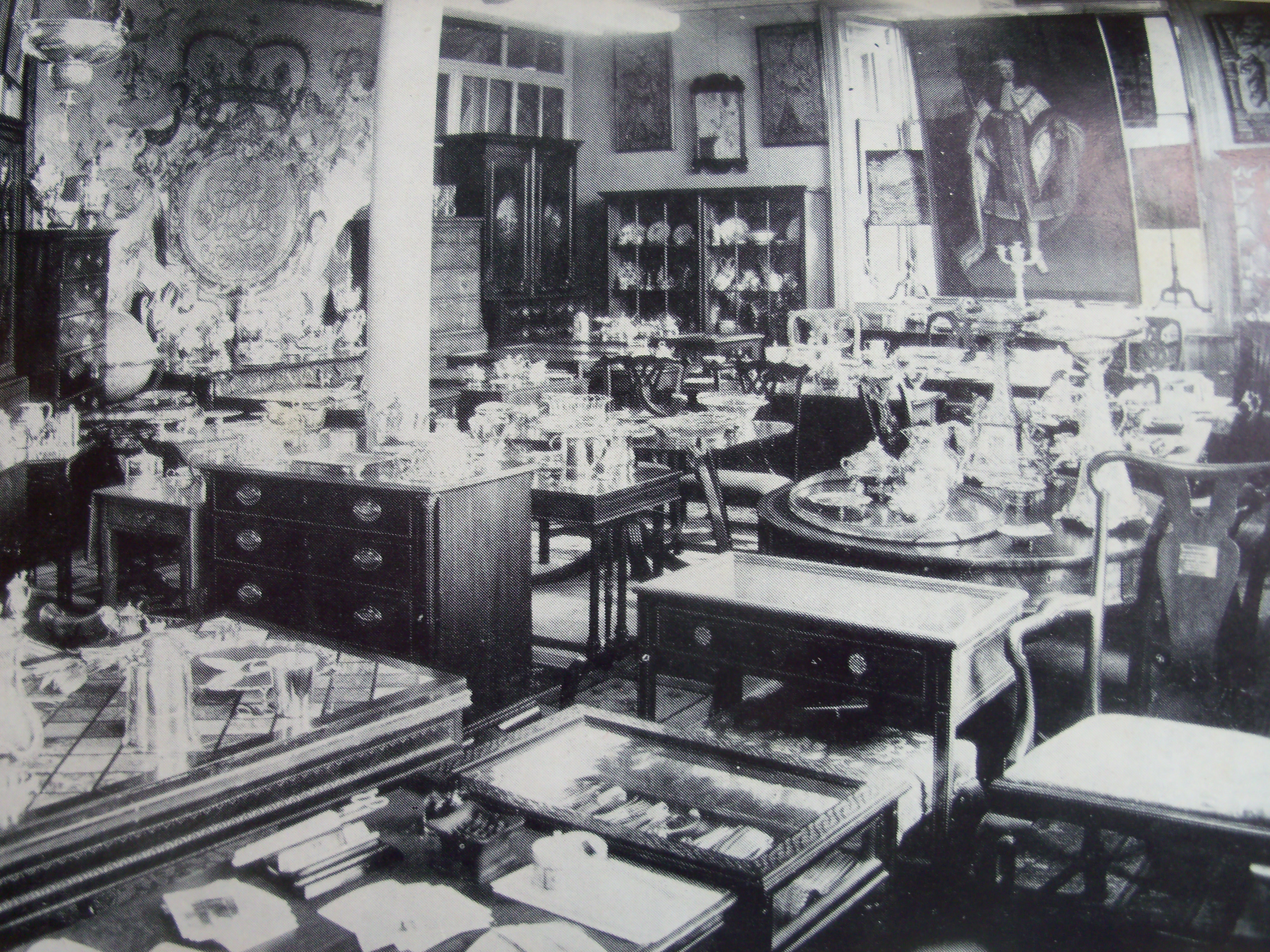
John Bell of Aberdeen, Bridge Street, Aberdeen, c.1957. Image Antiques Yearbook 1957/1958 (Tantivy Press). Photograph Antique Dealers Research Project, University of Leeds.

Bell’s shop is packed a range of antiques that would have been attractive to middle class antique collectors and furnishers in the 1950s – 18th century furniture dominated, but as you can see also on display is extensive amounts of antique sliver, as well as antique ceramics and some paintings and tapestries.

One gets a sense of the sheer scale of John Bell’s business in this other image of another showroom in the Bridge Street antique shop (also from the 1950s) – (see below). This showroom looks much more aimed at the wholesale and export markets, with antiques stacked in rows; there’s also earlier antique furniture for sale (mostly 17th and 18th century oak) as well as a much wider range of collectables, suitable for export.
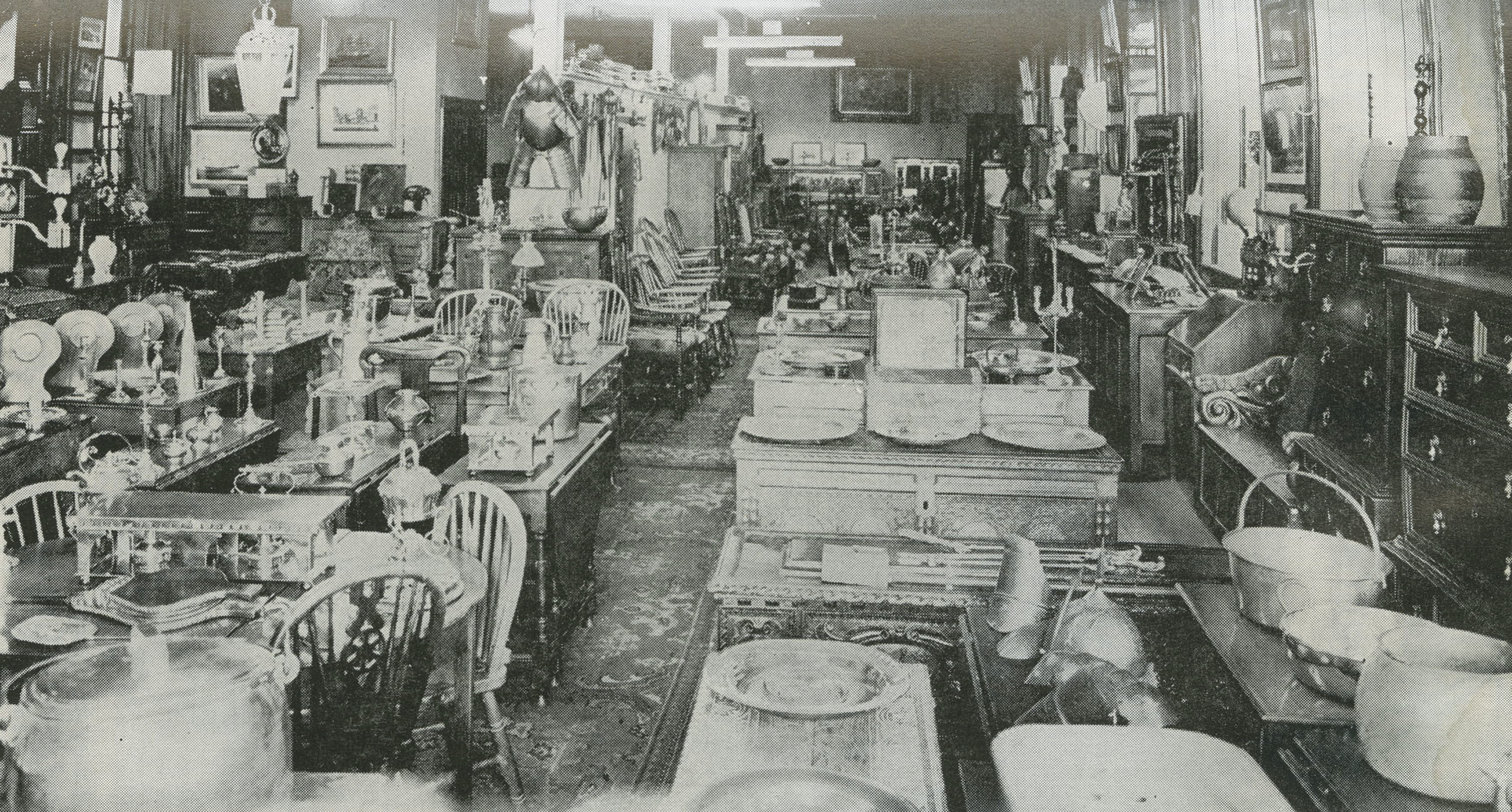
John Bell of Aberdeen, Bridge Street, Aberdeen, c.1958. Image Antiques Yearbook 1957/1958 (Tantivy Press). Photograph Antique Dealers Research Project, University of Leeds.

John Bell of Aberdeen are the subject of one of the little films in our Project – ‘Sold! The Year of the Dealer’, and we are very excited to announce that the YoD is finally being launched to the public on 1st March 2026. The John Bell antique in the Year of the Dealer films is in the suite of 10 films at The Bowes Museum in Barnard Castle – it’s an early 19th century bookcase, which was sold to The Bowes Museum by John Bell of Aberdeen in 1962 (so about the time of the photographs of John Bell’s shop) for £195. Here’s the bookcase (see below).
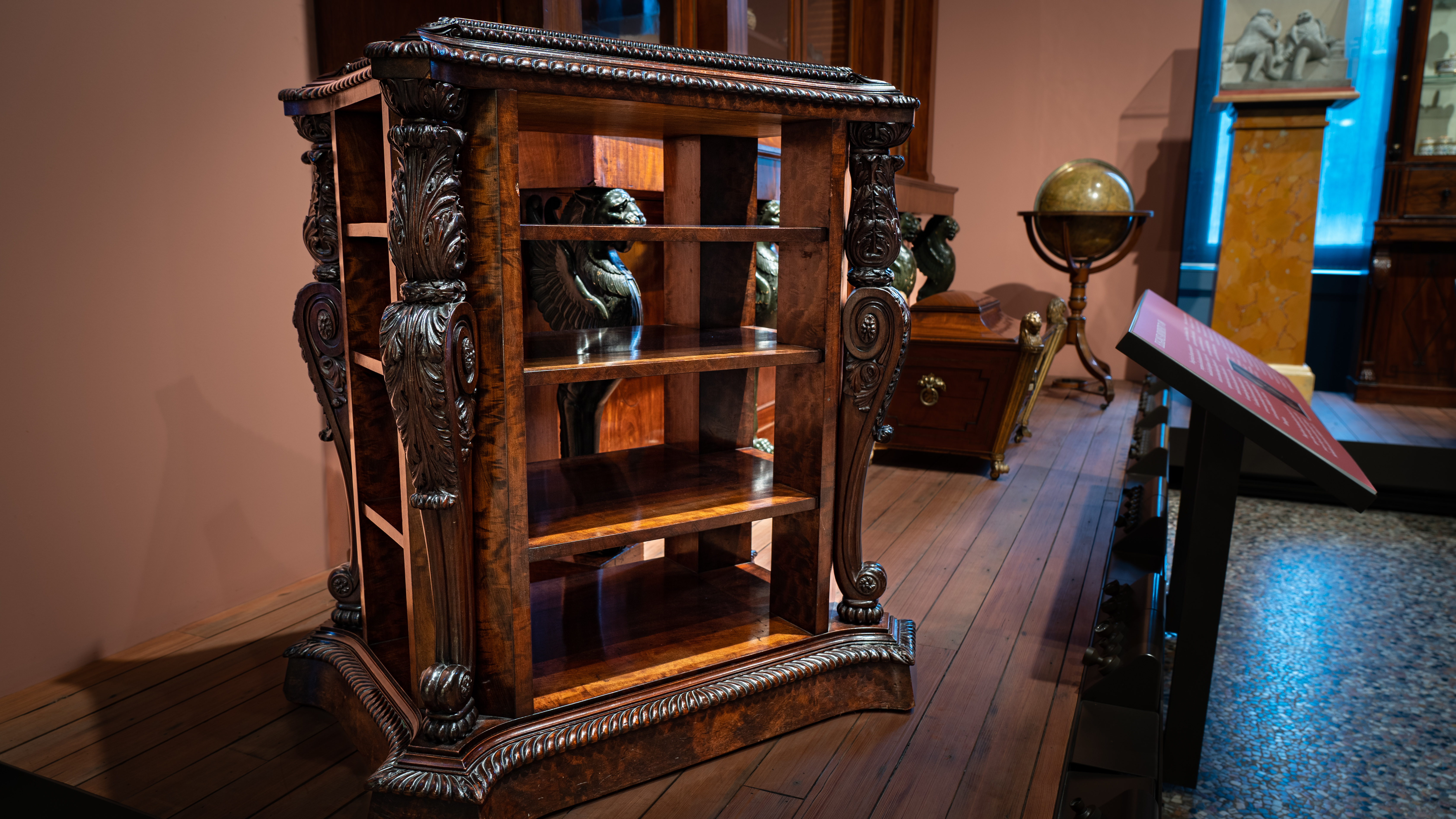
Early 19th century bookcase, sold to The Bowes Museum in 1962 by John Bell of Aberdeen. Photograph, Antique Dealers Research Project & The Bowes Museum.

The YoD films will soon be available to view – in fact we’re going to do a series of posts on the research blog about the YoD project in the coming weeks – so do keep your eye on the Blog!

Mark
November 6, 2014

The Architecture of the Trade – The Export Trade

Further to the blog posts on the architecture of the antique trade we’ve been doing some work on the development (and decline) of the trade in importing and exporting antique furniture (often called ‘shipping goods’).  The ‘wholesale’ import and export trade in antiques has a long history – one could, if one adopted certain classificatory frameworks, suggest that such activities began to emerge in the opening decades of the 19th century – there were certainly dealers shipping ‘containers’ of antiques and curiosities between the Continent and Britain just after the Napoleonic Wars, and those import-export activities continued into the early 20th century as part of the transatlantic (UK-USA) trade – the now relatively well-known photograph of Duveen’s ‘storeroom’  is a testament to those practices.

Duveen_storeroom

Duveen’s storeroom, c.1920

But at far as the present project is concerned this particular segment of the trade appears to have taken on a particular form in the decade after World War II.  By the 1960s a specific form of ‘import-export dealer’ emerged – often known as ‘a shipper’- and a certain kind of classification of antique objects, called ‘shipping goods’, also developed as a specific category of antiques.  These ‘trade only’ import and export dealerships often seem to have chosen specific locations and occupied specific building types – they were/are often located on the edge of cities or towns, near major driving routes, sometimes on ‘industrial’ estates; or often could be seen to be occupying redundant barns on farmsteads. They are still a familiar sight today of course.

Alongside the emergence of the ‘shipping dealer’ there developed a whole range of shipping firms, such as Fenton & Co., Gander and White, and Michael Davis – which in the 1970s had offices in London, Los Angeles, New York, Paris, Melbourne and Johannesburg – indicative of the main trading locations for shipping antiques at the time – now I think China may be top of the list!

Evidence from sources in the 1950s-1970s highlights that the import-export trade can provide fascinating evidence for a number of conceptual notions central to the ‘antique trade’ – one is the shifting definition of ‘antiques’ themselves. In the 1970s for example, in terms of import duties that have been payable on such kinds of objects, certain countries defined antiques as being over 100 years old; such objects would be exempt from any import duty. Some countries had different classifications – in the USA in the 1970s, for example, an ‘antique’ was, according to tax law at least, an object made ‘prior to 1830’ (the notional date of the development of the ‘machine age’). At the same time in the UK, the Board of Trade definition of an ‘antique’ was an object that was over 75 years old.  The age of an ‘antique’ has been constantly in flux of course, but it’s interesting that even if one takes something as ‘solid’ as tax law, one will still see variations in the classifying principles!…

Further evidence from some short articles on ‘Exporting Antiques’ in the Antiques Yearbook (1950) and a summary of export figures published in Antique Finder magazine (1976) there seems to have been an expansion of the export trade between the 1960s and the 1970s.  In 1962 the UK export figures were c.£5 million, rising to £68.5 million in 1975; Import figures from the UK illustrate a similar pattern (in 1962 the UK imported £4 million of antiques, and in 1975 the figures was £33.8 million).  The countries the UK exported antiques to also provide a fascinating picture of the global markets in the 1960s and 1970s. Here’s some figures for 1976:

USA £13.4 million

(West) Germany £7.1 million

Japan £2.2 million

Canada £1.3 million

Netherlands £4.4 million

Australia £3.1 million

Belgium £4.0 million

France £4.3 million

Kuwait/Dubai/Abu Dhabi £0.01 million

I imagine the figures today would be relatively familiar in terms of countries….with more activity in the Middle East; and the absence of China (so important today) in the 1976 figures is very significant of course.

What is also of interest in the market conditions for antiques in the 1970s was the economic crisis of the early-to-mid 1970s (the oil crisis) – the commentary from the Antique Finder suggested that the top of the market (the top 5%) had ‘felt the pinch in 1975’ but that the rest of the trade (95%) had ‘continued to move forward’ – the 1974/75 depression in world industrial prosperity had impacted most on higher wealth purchasing power. In today’s economy, the economic depression of 2007-08, seems to have had limited effect on the top 5% of wealthy collectors.

Mark


Home Subjects

a working group dedicated to the display of art in the private interior, c. 1715-1914

The Period Room: Museum, Material, Experience

An International Conference hosted by The Bowes Museum and The University of Leeds

H. Blairman & Sons Ltd

A research project investigating the history of the antiques trade in Britain in the 19th & 20th centuries

Museum Studies Now?

'Museum Studies Now?' is an event which aims to discuss and debate museum and heritage studies education provision.

The Burlington Magazine Index Blog

art writing * art works * art market

East India Company at Home, 1757-1857

A research project investigating the history of the antiques trade in Britain in the 19th & 20th centuries