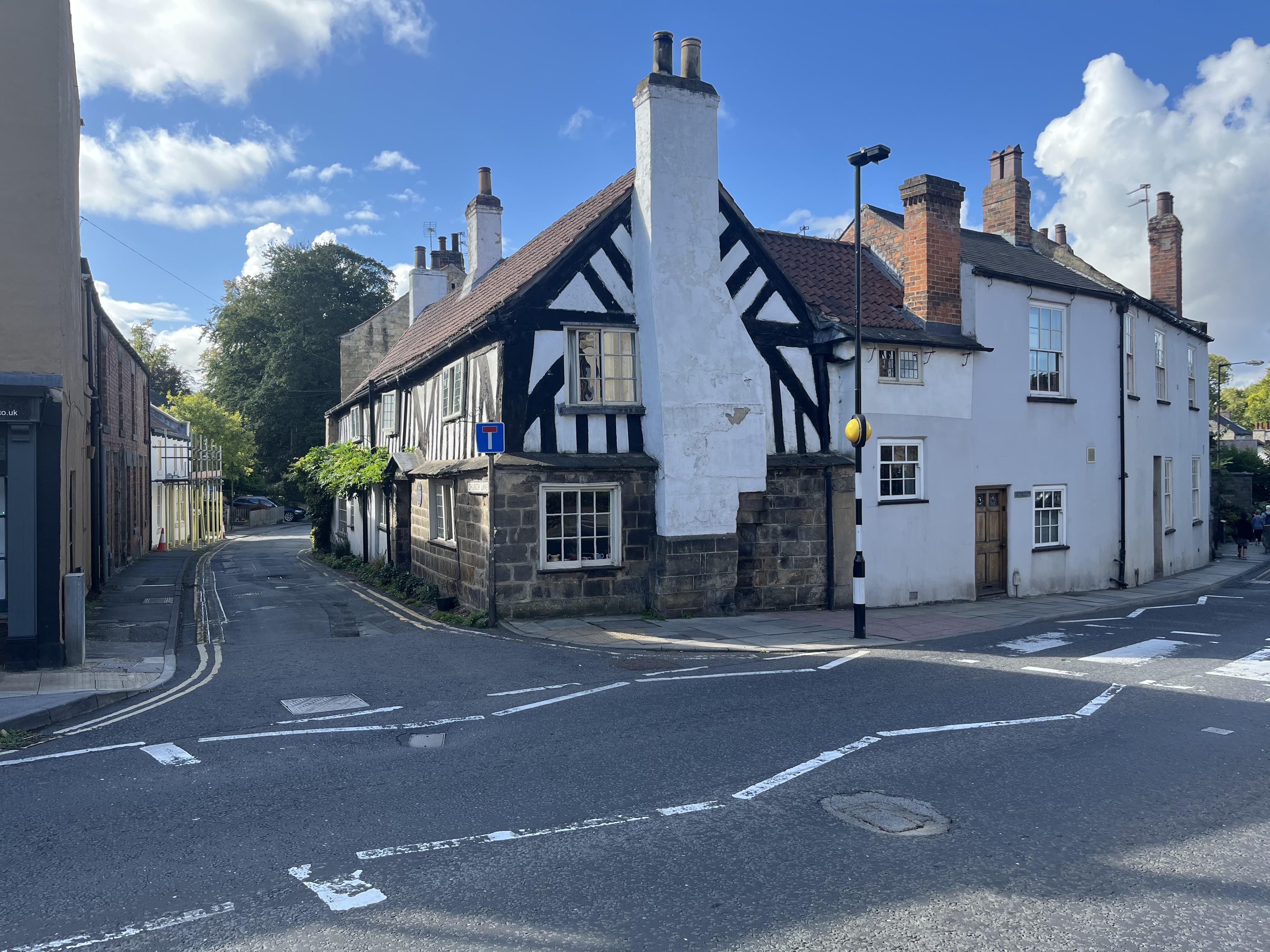
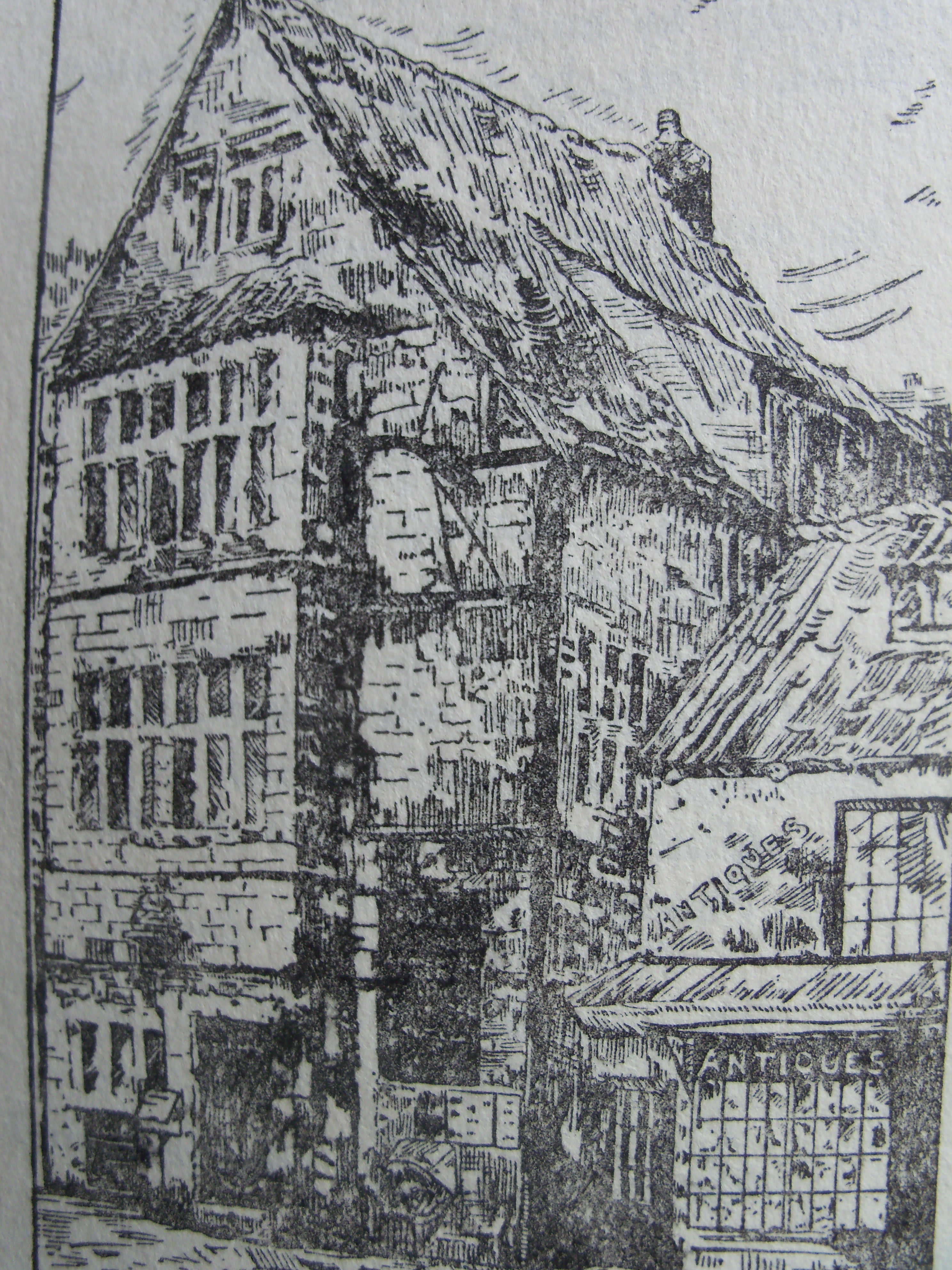
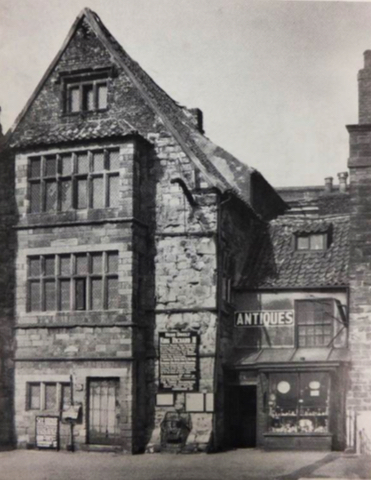
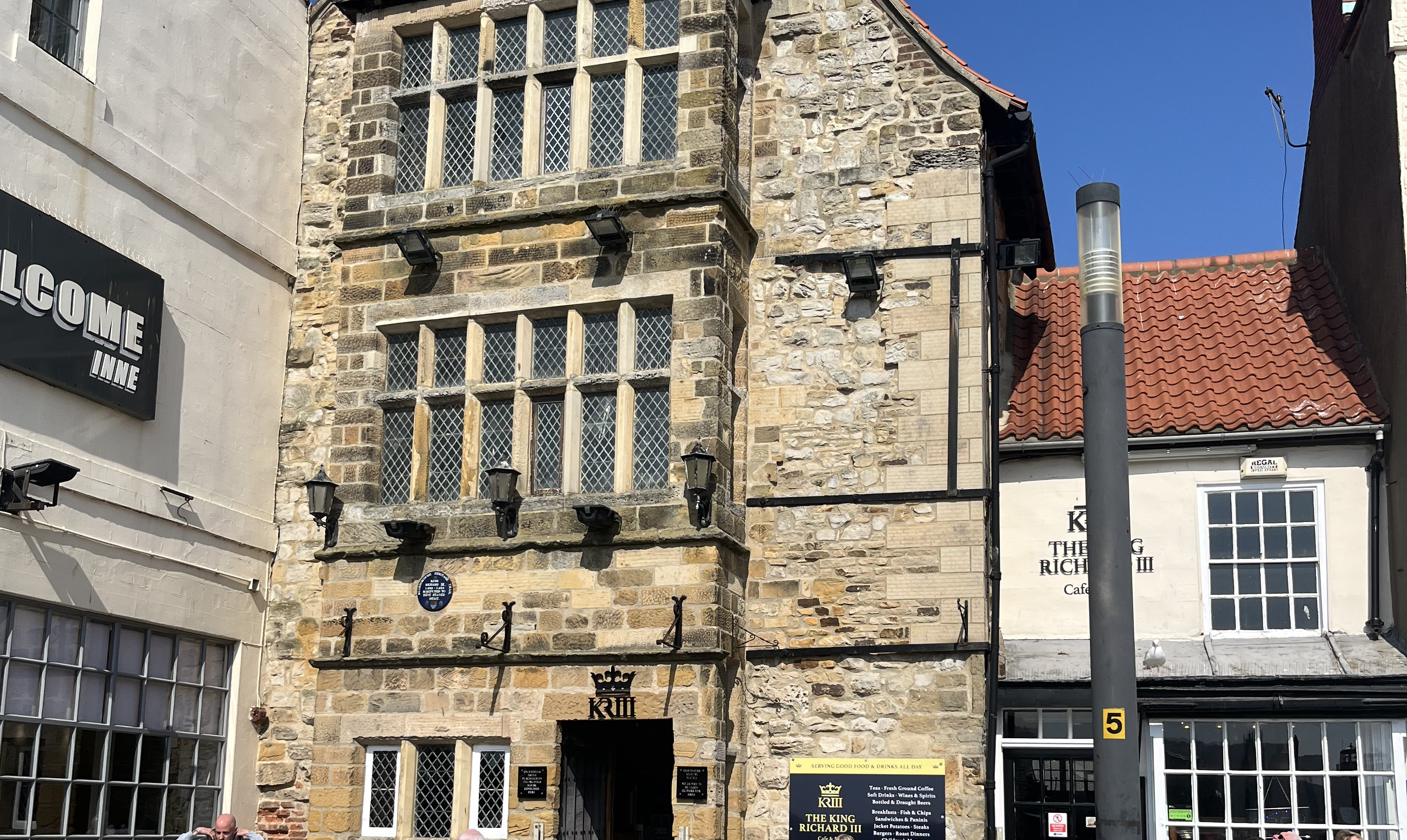
Our new theme of Antique Shops Then and Now (see Part I HERE) seems to have been quite popular, so here’s the second in the theme – with Crewsyke House, Moreton-in-Marsh, Gloucestershire and St. John’s House, Knaresborough, Yorkshire, in the frame. Crewsyke House (see below) is fine 18th century building, currently (as of September 2025) occupied by Hugo & Blake, ‘bespoke Kitchen and Furniture Makers’, and was recently also a holiday let, but was for the most part of the second half of the 20th century an antique shop; St. John’s House, Knaresborough, (see further below) an important 15th century building, formerly an antique shop in the 1950s, is now a private residence.
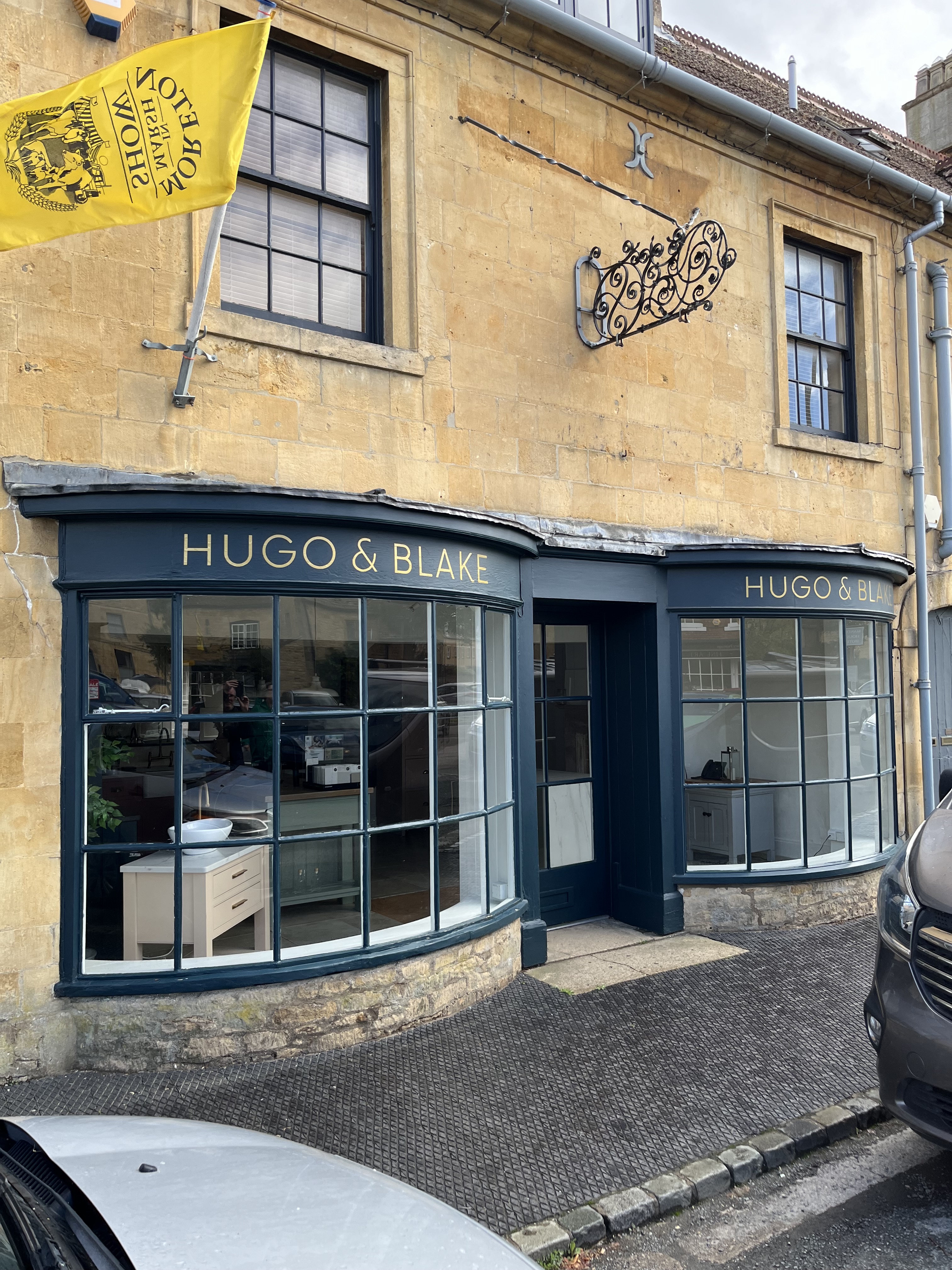
The new lives of these former antique shops is perhaps emblematic of the decline of the antique trade in Britain since the Millennium, at least in terms of the previously ubiquitous antique shop. Indeed, Moreton-in-Marsh, like many of the picturesque towns and villages in the Cotswolds, was once packed with antique shops in the Post-Second World War period, rising from about 5 or 6 antique dealers in the 1950s and 1960s, to at least 12 antique shops by the 1970s and 1980s, and 16 antique shops by the early 2000s. Knaresborough, perhaps surprisingly, has much a longer association with the antique shop; it already had 6 antique dealers by the early 1920s, rising to 15 in 1949, and 21 by the mid 1960s. Since then of course there has been a rapid decline in the numbers of antique shops in both Moreton-in-Marsh and Knaresborough, as well as across Britain more generally.
The last antique shop to operate out of Crewsyke House was the well-known dealer Simon Brett, who established an antique dealing business with his wife Edwina in 1972 and ran an antique shop at Crewsyke House from 1980 until the mid-2000s. But Crewsyke House had some other well-known antique dealers trading from the building prior to Simon Brett – George Bolam, for example, ran his antique business from Crewsyke House from about 1963 until 1979 (see below), when Brett took over the shop.
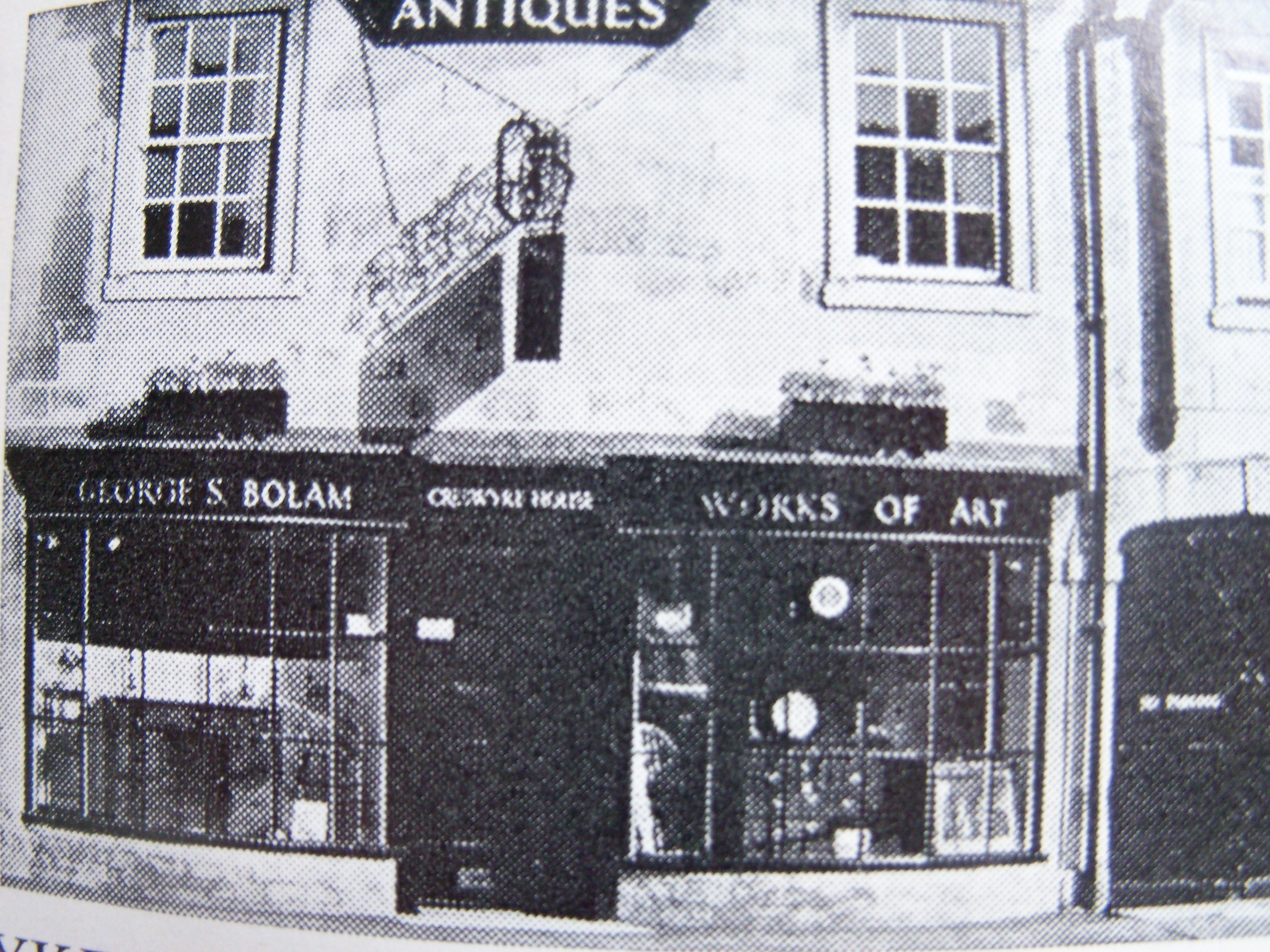
Bolam started his antique dealing business in 1946 immediately after the Second World War, like many more antique dealers who were demobbed following the war. Bolam began with a shop at 17 Albert Road in in Harrogate, Yorkshire, moving to Parliament Street in Harrogate by 1950; he was elected a member of the British Antique Dealers’ Association in 1951, before moving the business to St. John’s House, a 15th century historic building, in Knaresborough, North Yorkshire in 1957.
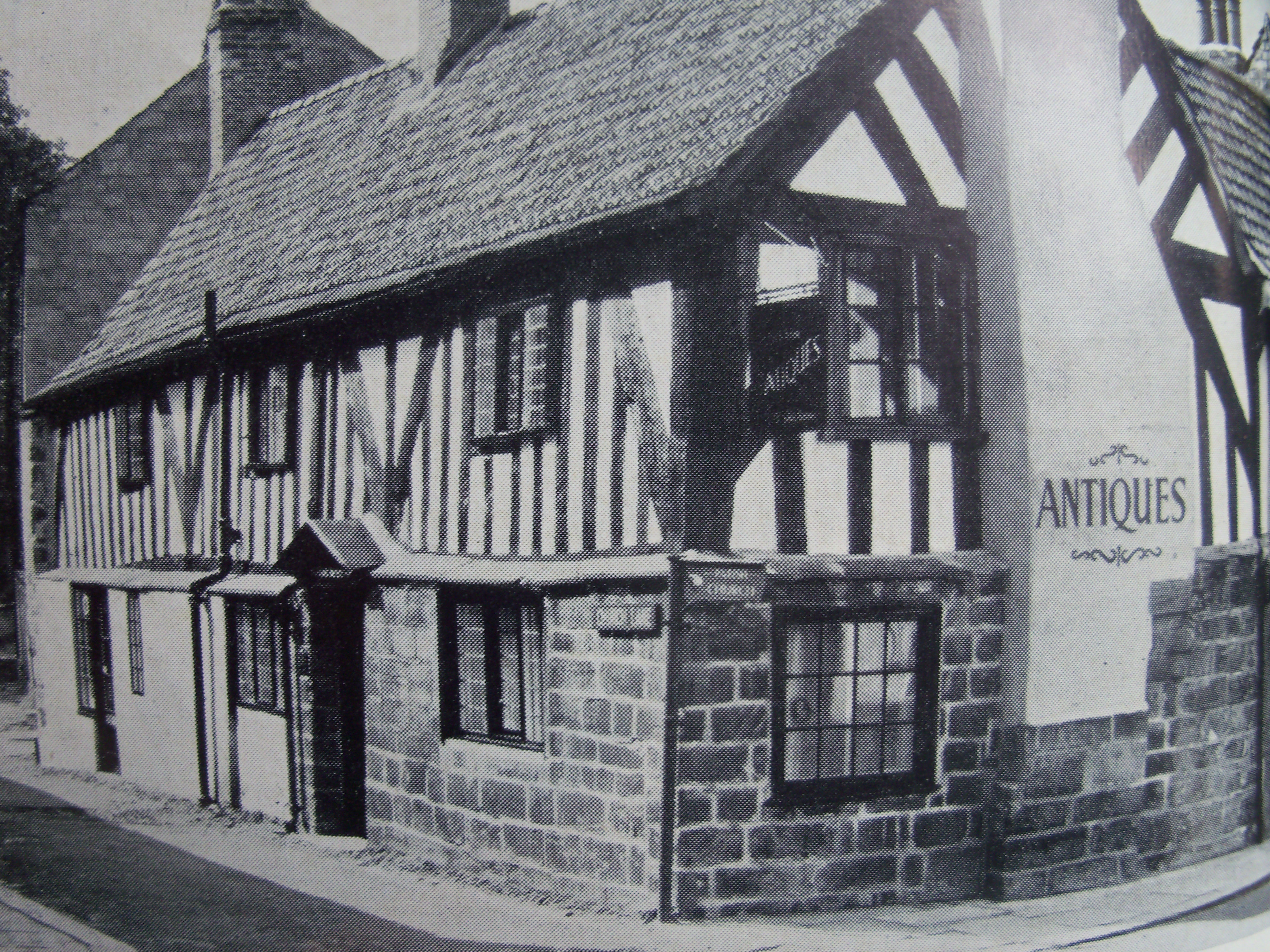
Here is St. John’s House today – now a private house.
Like many antique dealers Bolam seems to have liked trading from historic buildings and moved his business to the Manor House in Somerton, Somerset, a 17th century Listed Building in 1960. Shortly afterwards Bolam moved the business to Crewsyke House and seemed to have been more settled in Moreton-in-Marsh, staying there until 1979. He moved his antique business again in 1980 to 1 The Chipping, Tetbury, Gloucestershire, about 35 miles south of Moreton-in-Marsh.
Prior to George Bolam’s antique shop at Crewsyke House the property was also an antique shop, run by R. Holford Bailey, who traded at Crewsyke House from the mid-1950s until 1962 when Bolam took over the shop (see below). Holford Bailey moved to ‘Holdford House’, High Street, at nearby Bourton-on-the-Water, another picturesque location in the Cotswolds.
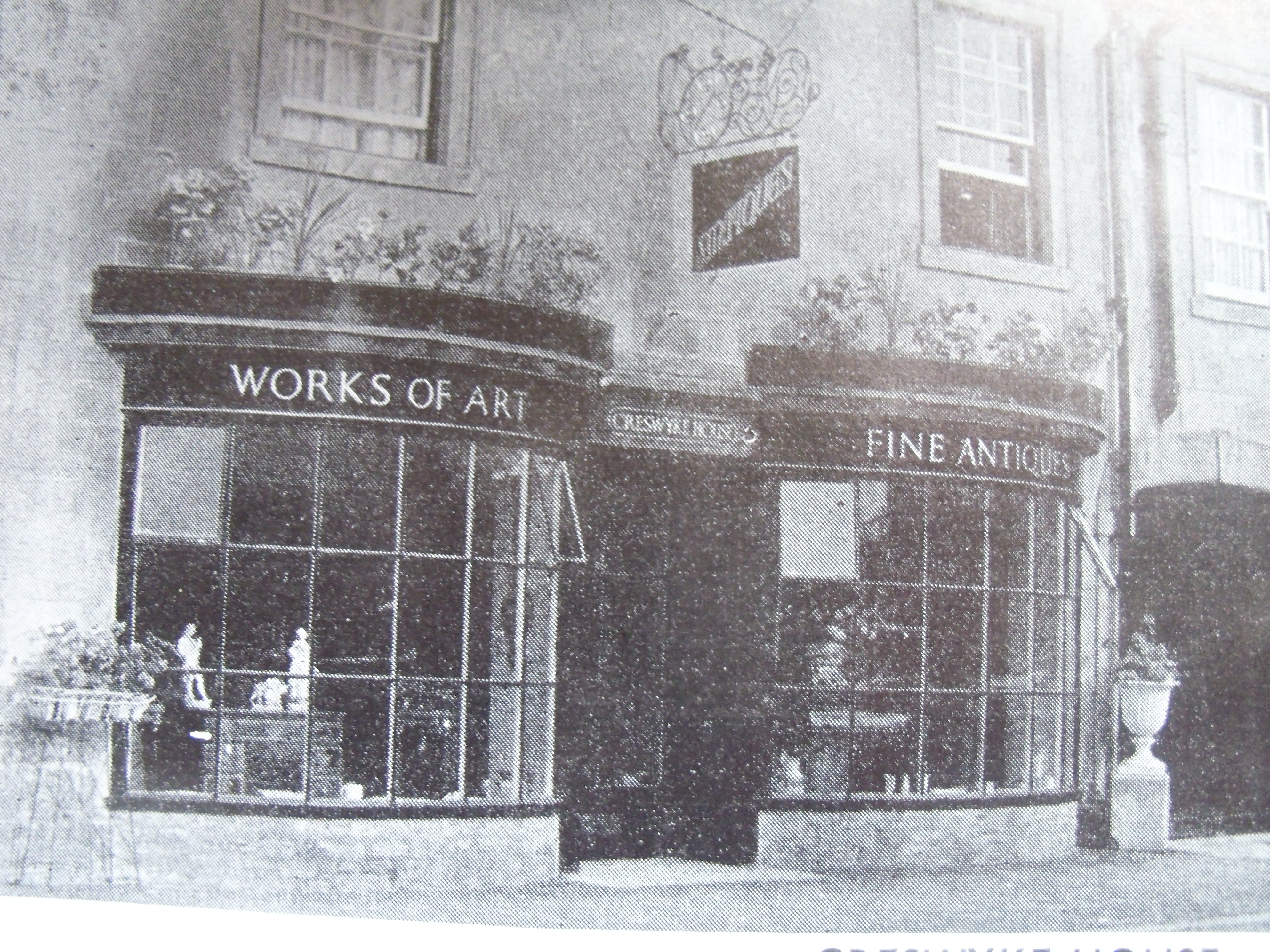
So, Crewsyke House was an antique shop for over 50 years before the decline of the antique shop in Britain. Do look out for more blog posts in the series ‘Antique Shops Then & Now’ – I’ll see if I can find the shop with the longest continuous life as an antique shop in Britain – my hunch it that is will be Phillips of Hitchin, who were trading from The Manor House, Hitchin from 1884 until 2015, a total of 131 years!…. but I’ll see there are any other candidates.
Mark
 antiquedealersblog